

Understanding the role of a water heater thermostat
What Does a Water Heater Thermostat Actually Do?
A water heater thermostat is a small but essential device that controls the temperature of the water inside your tank. Whether you have an electric water heater or a natural gas model, the thermostat acts as the brain of your system. It monitors the water temperature and signals the heating element or burner to turn on or off, ensuring you always have hot water when you need it—without wasting energy.
How Thermostats Interact with Heating Elements
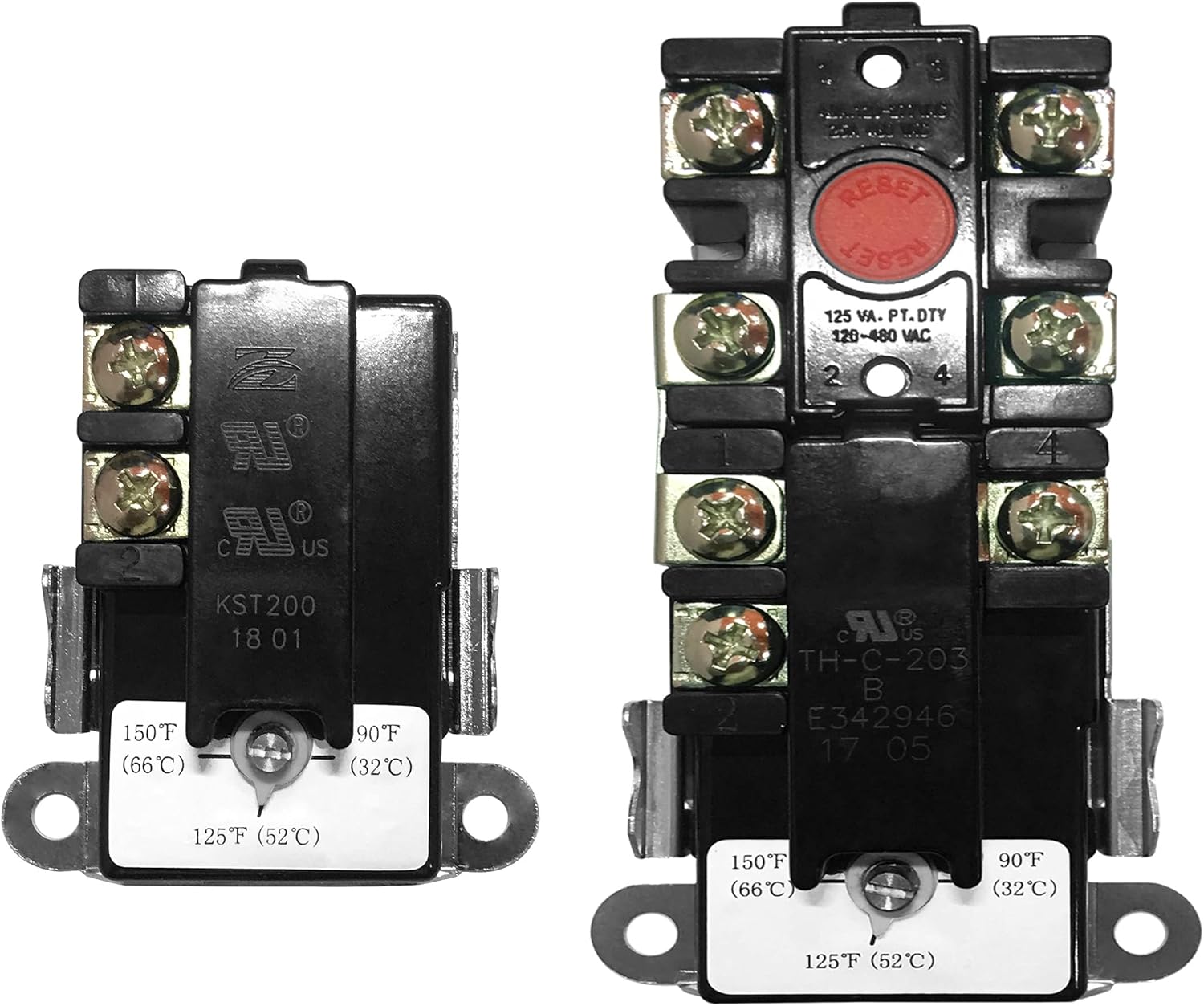
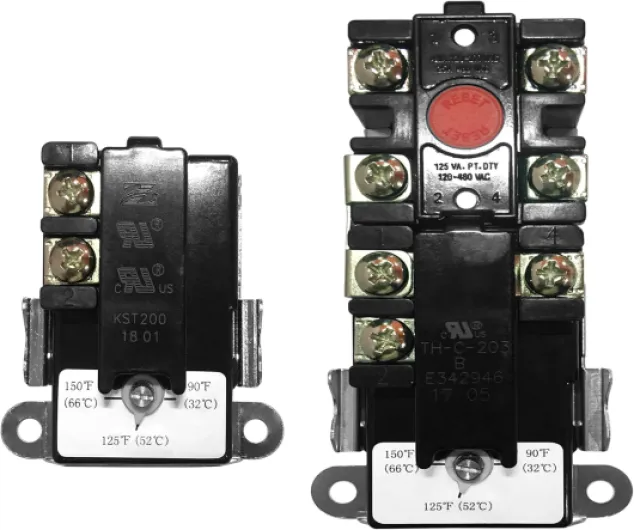
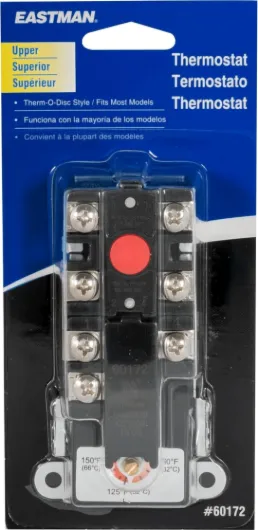
In electric water heaters, you’ll typically find two thermostats: an upper thermostat and a lower thermostat. Each one manages its own heating element. The upper thermostat controls the upper heating element, while the lower thermostat manages the lower element. This setup helps maintain a consistent temperature throughout the tank, so you get hot water from the top and bottom. Single element water heaters, on the other hand, use just one thermostat and one heating element, which can affect recovery time and efficiency.
Why Proper Temperature Control Matters
Setting the right temperature on your heater thermostat is crucial for both comfort and safety. If the temperature is too low, you risk running out of hot water or encouraging bacteria growth. Too high, and you could face scalding risks or unnecessary energy use. Most standard water heaters include a temperature adjustment dial, allowing you to set your preferred level. For many households, 120°F is recommended for a balance of safety and efficiency.
- Hot water availability: The thermostat ensures your tank always has enough hot water for showers, dishes, and laundry.
- Energy savings: By only heating water when needed, the thermostat helps reduce energy bills.
- System protection: Proper thermostat function prevents overheating, which can damage heating elements or the tank itself.
Understanding how your water heater thermostat works is the first step toward better comfort and efficiency at home. As you explore different types of thermostats and consider upgrades or repairs, knowing these basics will help you make informed decisions about heater replacement, thermostat water settings, and even heater repair.

Types of water heater thermostats
Comparing Main Thermostat Types for Water Heaters
When looking at water heater thermostats, it's important to know there are several types, each designed for specific heater setups. The right thermostat can impact how efficiently your water heater operates and how comfortable your hot water supply feels.- Single Element Thermostats: These are typically found in smaller electric water heaters. They control one heating element, usually located at the bottom of the tank. This setup is common in compact water heaters where only a single element is needed to heat the water.
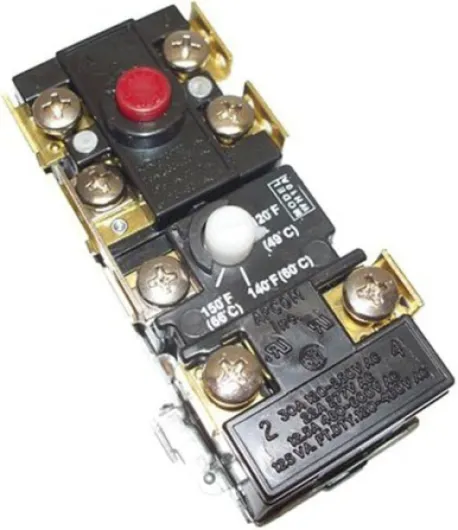
- Upper and Lower Thermostats: Standard electric water heaters with larger tanks often use two thermostats—an upper thermostat and a lower thermostat. Each controls a separate heating element. The upper thermostat manages the top heating element and switches power to the lower thermostat once the upper part of the tank is hot. This design helps ensure a steady supply of hot water throughout the tank.
- Gas Water Heater Thermostats: Gas water heaters use a different type of thermostat, often integrated with a gas control valve. This thermostat senses the water temperature and regulates the flow of natural gas to the burner, maintaining the set temperature. Gas thermostats are usually found at the base of the tank and are part of the main control assembly.
- Smart Thermostats: Newer water heaters, or those upgraded with smart technology, feature thermostats that can be controlled remotely. These smart thermostats allow you to monitor and adjust the temperature from your phone, set schedules, and even receive alerts if there’s a problem with the heater or heating elements. They can be used with both electric and gas water heaters, depending on compatibility.
Key Features to Consider
When choosing a replacement thermostat or upgrading your system, consider these features:- Temperature Range: Most thermostats allow you to set the desired hot water temperature. Standard ranges are typically between 90°F and 150°F, but always check your heater’s manual for safe settings.
- Compatibility: Make sure the thermostat matches your water heater type—electric or gas, single or dual element. Some thermostats are designed specifically for upper or lower elements.
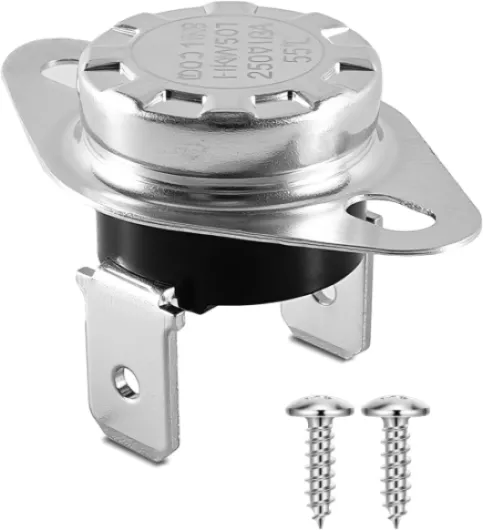
- Safety Features: Look for thermostats that include high-limit switches, which shut off power if the water temperature gets too high, preventing overheating and potential damage to the tank or heating elements.
- Ease of Installation: Some thermostats are easier to install than others. If you’re considering a smart thermostat, check if it includes clear instructions and whether it’s compatible with your existing heater elements and wiring.
How a smart thermostat enhances water heater performance
Smart Controls for Water Heater Performance
Smart thermostats are changing the way we manage hot water in our homes. Unlike standard heater thermostats, these devices use advanced sensors and connectivity to optimize the temperature and energy use of your water heater. Whether you have an electric water heater with upper and lower elements or a gas-powered tank, a smart thermostat can make a noticeable difference in comfort and efficiency.
- Precision Temperature Control: Smart thermostats monitor water temperature more accurately than traditional models. This means your hot water stays at the ideal temperature, reducing the risk of scalding or running out of hot water during peak times.
- Adaptive Scheduling: These devices learn your household’s hot water usage patterns. For example, if you typically need more hot water in the morning, the thermostat can preheat the tank, ensuring the upper and lower elements work efficiently without wasting energy.
- Remote Access: Many smart thermostats include free mobile apps, letting you adjust settings from anywhere. If you’re away and forgot to lower the temperature, you can do it remotely, saving energy and reducing wear on heating elements.
- Maintenance Alerts: Smart thermostats often provide notifications for heater repair needs, such as when the heating element or valve requires attention. This proactive approach helps prevent costly heater replacement or emergency repairs.
- Integration with Home Systems: Some models work with other smart home devices, allowing you to coordinate your water heater with your home’s overall energy use. This is especially helpful for electric water heaters with upper and lower thermostats, as it balances demand and efficiency.
For those considering an upgrade, smart thermostats are compatible with most standard water heaters, including single element and dual element tanks. They can be used for both electric and natural gas models, and many include features for easy installation and replacement of thermostat water components.
When troubleshooting or resetting your smart thermostat, it’s important to follow the manufacturer’s instructions. For a practical guide on how to reset your smart thermostat, visit resetting your smart thermostat.
Installation tips and considerations
Key Steps Before Installing a New Thermostat
Before you start with a heater thermostat replacement or upgrade, it’s important to identify your water heater type. Electric water heaters often have both an upper thermostat and a lower thermostat, while gas water heaters use a different control system. Knowing whether your tank uses single element or upper lower heating elements will help you select the right thermostat water model.
Safety First: Power and Water Precautions
- Always turn off the power at the breaker for electric water heaters before starting any repair or replacement. For natural gas heaters, shut off the gas valve.
- Allow the hot water tank to cool down to avoid burns from hot water or heating elements.
- Drain a few gallons from the tank to lower the water level below the thermostat and element you’ll be working on.
Choosing the Right Thermostat and Elements
Standard water heater thermostats are available for both upper and lower positions. If your heater includes dual elements, make sure to match the replacement thermostat to the correct location—upper thermostat or lower thermostat. For single element heaters, only one thermostat is needed. Always check compatibility with your tank and heating elements before purchase.
Installation Tips for Best Performance
- Mount the new thermostat securely against the tank for accurate temperature readings.
- Ensure all wiring connections are tight and match the original configuration. Take a photo before disconnecting wires for reference.
- Replace any worn or corroded heating elements at the same time for optimal efficiency and to avoid future heater repair needs.
- Set the thermostat temperature to the manufacturer’s recommended setting, usually around 120°F, to balance comfort and energy savings.
Testing and Final Checks
Once the thermostat and any heater elements are installed, refill the tank and restore power or gas. Monitor the water temperature and check for leaks. If your water heater includes a reset button, press it to ensure the system is ready. If you notice issues like inconsistent hot water or the tank not heating, revisit the wiring and element connections or consult a professional for heater repair.
Troubleshooting common thermostat issues
Identifying and Addressing Common Thermostat Problems
When your water heater isn’t delivering hot water as expected, the thermostat is often a key area to check. Both electric water heaters and gas models rely on thermostats to regulate water temperature and ensure comfort. Here are some frequent issues and practical steps to address them:- No Hot Water or Inconsistent Temperature: For electric water heaters, a faulty upper thermostat or lower thermostat can disrupt heating. If your tank has upper and lower elements, check both thermostats and heating elements. For single element heaters, focus on the single thermostat and element. Use a multimeter to test for continuity and replace any failed parts.
- Water Too Hot or Not Hot Enough: Incorrect thermostat settings or a malfunctioning thermostat can cause temperature swings. Adjust the thermostat to the recommended temperature (usually around 120°F for safety and efficiency). If the temperature doesn’t stabilize, consider a thermostat replacement.
- Tripped Reset Button: Electric heater thermostats include a reset button. If it trips frequently, it could signal a failing thermostat, a shorted heating element, or wiring issues. Inspect the wiring and heating elements for damage. Replace faulty components as needed.
- Leaking or Corroded Thermostat Housing: Moisture around the thermostat or tank can indicate a leaking valve or corrosion. This may require heater repair or even tank replacement if the damage is extensive. Always turn off power and water supply before inspecting or repairing.
- Gas Water Heater Issues: For natural gas heaters, the thermostat is often integrated with the gas control valve. If the water isn’t heating, check the pilot light and ensure the gas valve is functioning. If the thermostat fails, a replacement gas control valve may be necessary.
Quick Reference Table: Troubleshooting Steps
| Issue | Possible Cause | Action |
|---|---|---|
| No hot water | Upper thermostat or element failure | Test and replace upper thermostat or element |
| Water not hot enough | Lower thermostat or element issue | Check and replace lower thermostat or element |
| Water too hot | Thermostat set too high or stuck | Adjust or replace thermostat |
| Reset button trips | Overheating, faulty element, wiring | Inspect and repair or replace as needed |
| Leaks/corrosion | Valve or tank issue | Repair valve, consider tank replacement |
Maximizing energy savings with your water heater thermostat
Simple steps to cut energy costs with your water heater thermostat
A well-calibrated heater thermostat can make a real difference in your home's energy use. Whether you have an electric water heater or a gas model, small adjustments and regular maintenance help you save money and keep hot water available when you need it.- Set the right temperature: Most experts recommend keeping your thermostat at 120°F (49°C). This temperature is hot enough for daily use but not so high that it wastes energy or risks scalding. Both upper and lower thermostats on electric water heaters should match for consistent results.
- Check for heat loss: Insulate your tank and the first few feet of hot water pipes. This helps the heater maintain temperature without overworking the heating elements. For older water heaters, a replacement insulation jacket can be a free or low-cost upgrade.
- Inspect and maintain heater elements: Sediment buildup on heating elements or inside the tank can force your heater to work harder. Regularly flush the tank and check the lower element and upper element for signs of wear. If needed, a heater replacement or repair can restore efficiency.
- Use vacation mode or timers: Many smart thermostats and some standard models include a vacation or eco mode. This lowers the temperature when you're away, saving energy without sacrificing comfort when you return.
- Monitor for leaks and faulty valves: A leaking temperature and pressure relief valve or a faulty thermostat water sensor can waste energy and water. Prompt heater repair or replacement of worn parts is essential for efficiency and safety.
Smart habits for long-term savings
- Schedule regular checks of your electric water heater, especially the upper thermostat and lower thermostat settings.
- For natural gas water heaters, ensure the thermostat and gas valve are working properly and the pilot light is steady.
- If your heater includes advanced features, use them to track usage and spot trends that could signal a problem.