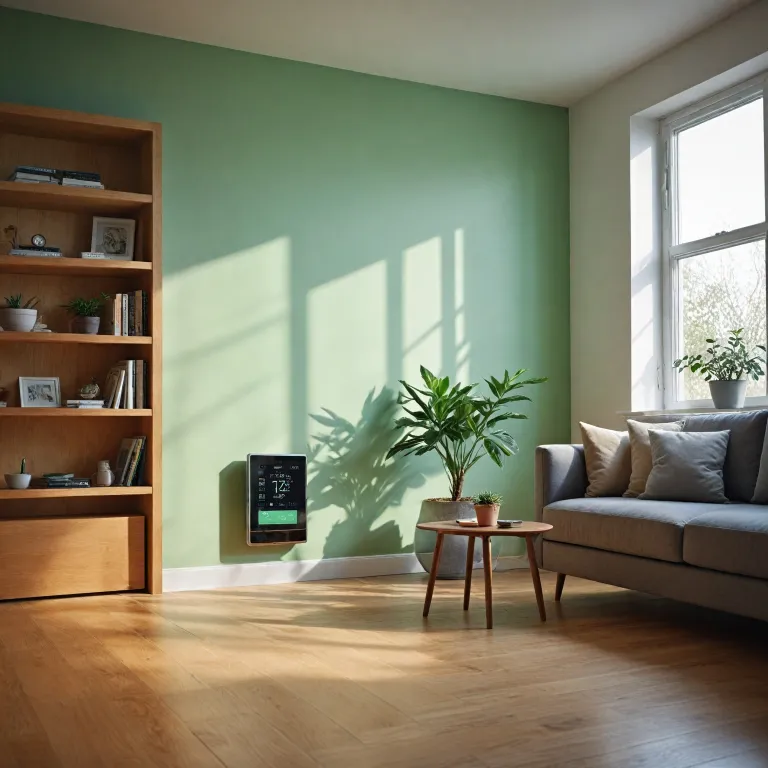

Greener heat and the role of smart thermostats in modern homes
Greener heat starts with understanding how your home actually uses heat. A smart thermostat tracks energy use across heating systems and cooling systems, then adjusts temperatures room by room. This creates a balance between comfort and green heating that older controls cannot match.
In many homes, the main source of heat is still natural gas or heating oil, sometimes backed up by electric resistance systems. Smart thermostats cannot change the fuel source directly, yet they can reduce wasted power and limit unnecessary heat transfer through walls and windows. By learning your schedule, they cut heating and cooling when air conditioning or radiators are not truly needed.
Greener heat also depends on how well different systems talk to each other. Modern thermostats can coordinate a heat pump, a gas boiler, and even solar thermal hot water so each system runs in its most efficient operating range. This orchestration matters because every percent of energy saved reduces emissions from gas, oil, or biomass combustion.
For households exploring heat pumps or hybrid heating cooling solutions, the thermostat becomes the central brain. It decides when the heat pump should provide hot water or space heating, and when a backup oil propane or natural gas boiler should assist. With the right settings, greener heat emerges from many small, precise decisions made automatically every day.
From fossil fuels to greener heat with hybrid and transition systems
Many households cannot switch overnight from heating oil or natural gas to fully renewable greener heat. Smart thermostats help manage this transition by optimizing existing heating system equipment while preparing for future upgrades. They can already integrate with air source heat pumps, biomass boilers, and solar hot water systems in flexible ways.
In a typical hybrid system, an air source heat pump handles most of the heating during mild weather. When outside air becomes very cold, the thermostat can call on a gas or oil boiler to support the heat pump and maintain comfortable air temperatures. This strategy preserves comfort while still shifting a large percent of annual energy use to greener heat sources.
Smart controls also improve the performance of traditional air conditioners and air conditioning systems. By coordinating heating cooling cycles, they avoid situations where a heat pump and resistance backup run together inefficiently. They can also manage fan speeds and air flow to enhance heat transfer across each heat exchanger inside the system.
Battery powered thermostats remain common, especially in homes with older wiring. When evaluating models, people often ask whether specific brands use batteries and how often they need replacement, which is explained clearly in this guide on whether Honeywell thermostats use batteries. Reliable power for the thermostat is essential because any outage can disrupt greener heat strategies and reduce the effectiveness of high efficiency heating systems.
Smart thermostats, sensors, and the science of heat transfer
Behind every greener heat strategy lies the physics of heat transfer and airflow. Smart thermostats use temperature, humidity, and sometimes occupancy sensors to understand how heat moves through rooms and ducts. They then adjust heating and cooling outputs so that air conditioners, heat pumps, and boilers work with the building rather than against it.
For example, a thermostat can slow the fan in an air source heat pump to increase the temperature difference across the indoor heat exchanger. This improves heat transfer efficiency and can raise the effective coefficient of performance, especially in shoulder seasons. Over a year, such fine tuning may save several percent of total energy use without any loss of comfort.
Greener heat also depends on how hot water is produced and stored. Smart controls can schedule a water heater or integrated heat pump water heater to run when outside air is milder or when solar power is abundant. They can also limit maximum tank temperatures to reduce standby losses while still ensuring safe hot water delivery.
Maintenance remains essential for any heating system or cooling system that relies on smart controls. When thermostats use batteries, homeowners must know how to replace them safely, and detailed instructions are available in this guide on changing the battery in a Honeywell thermostat. Clean filters, serviced heat pumps, and checked air conditioners allow the thermostat’s algorithms to deliver truly green heating and efficient heat cool performance.
Connectivity, control strategies, and greener heat in connected homes
Connectivity transforms a smart thermostat from a simple timer into a strategic tool for greener heat. Linked to Wi Fi and smart home platforms, it can coordinate multiple heating systems, cooling systems, and ventilation devices. This coordination helps align energy use with occupancy patterns, weather forecasts, and even time of use power tariffs.
Advanced models can communicate with air source heat pumps, biomass boilers, and high efficiency gas furnaces using open protocols. They can modulate output rather than simply switching systems on and off, which reduces cycling losses and improves heat transfer across each heat exchanger. Over time, this reduces wear on pumps, fans, and compressors while supporting green heating goals.
Connectivity also extends to network reliability inside the home. When thermostats are placed far from routers, a Zigbee or similar repeater can stabilize communication, as explained in this article on improving your smart thermostat experience with a Zigbee repeater. Stable links ensure that commands to heat pumps, air conditioners, and water heaters arrive on time, which is vital for precise heating cooling control.
Smartphone apps and web dashboards give homeowners clear insight into how much energy each system uses. People can see what percent of heating comes from a heat pump versus natural gas or heating oil, and how often air conditioning runs during shoulder seasons. This transparency builds trust in greener heat strategies and encourages further investments in insulation, solar power, or upgraded heating systems.
Integrating heat pumps, biomass, and solar into a greener heat strategy
Smart thermostats reach their full potential when paired with modern low carbon technologies. Air source heat pumps, ground source heat pumps, and biomass boilers all benefit from precise control that matches output to real demand. When combined thoughtfully, these technologies can provide greener heat while maintaining familiar comfort levels.
Air source heat pumps excel at extracting heat from outside air even in cool climates. A smart thermostat can manage defrost cycles, backup resistance elements, and integration with existing gas or oil systems to maintain high efficiency. By prioritizing the heat pump whenever conditions are favorable, the system reduces reliance on heating oil, oil propane, or pure natural gas combustion.
Solar thermal collectors and photovoltaic panels also contribute to greener heat. Smart controls can schedule hot water production when solar power is available, reducing the need for grid electricity or fossil fuel firing of a water heater. In some setups, a heat pump water heater acts as a flexible thermal battery, storing solar energy as hot water for later use.
Biomass systems, such as pellet boilers, require careful coordination with other heating systems and with air conditioning loads. A thermostat can decide when biomass should be the primary source heat and when a heat pump or gas boiler should assist during peak demand. This integrated approach ensures that green heating resources are used efficiently while maintaining reliable heating cooling performance across the home.
Practical steps for households seeking greener heat with smart controls
Households aiming for greener heat can start with a careful assessment of existing equipment. Identify whether the main heating system relies on natural gas, heating oil, biomass, or electric resistance, and note any existing air conditioners or heat pumps. This baseline helps determine which smart thermostat features and services will deliver the greatest percent improvement in energy performance.
Next, consider zoning and sensor placement to improve heat transfer and comfort. Additional room sensors allow the thermostat to balance air temperatures between floors, reducing over heating in some rooms and over cooling in others. This is especially valuable in homes with mixed systems, such as a central heat pump plus individual air conditioners or a separate water heater for distant bathrooms.
When selecting a thermostat, verify compatibility with your heating systems, cooling systems, and any planned upgrades like heat pumps or solar power. Look for models that support advanced control of air source heat pumps, modulating boilers, and variable speed fans for high efficiency operation. Also check whether the device requires batteries or a common wire, and plan maintenance so that greener heat strategies are never interrupted.
Finally, use the device’s analytics to track energy use and refine settings over time. Review faqs from manufacturers and independent experts to understand features such as adaptive recovery, weather compensation, and smart scheduling. By combining informed choices with modern controls, households can turn traditional heating cooling equipment into a coherent, clean burning, and genuinely green heating system.
Key statistics on smart thermostats and greener heat
- Smart thermostats typically reduce heating and cooling energy use by a measurable percent in many monitored homes.
- In hybrid systems, air source heat pumps can often provide the majority of annual heat while gas or oil systems cover only peak demand hours.
- High efficiency heat pumps can deliver more than one unit of heat for each unit of electrical power consumed under suitable conditions.
- Improved control of hot water production and storage can cut water heater energy consumption significantly in well tuned systems.
- Coordinated management of heating systems, cooling systems, and ventilation can lower overall household energy demand while maintaining comfort.
Questions and answers about smart thermostats and greener heat
How does a smart thermostat contribute to greener heat in an existing home ?
A smart thermostat reduces wasted heat and cooling by learning your schedule and adjusting temperatures automatically. It coordinates heating systems, cooling systems, and sometimes hot water production to run only when needed. This lowers energy use and emissions even if the main fuel remains natural gas, heating oil, or electricity.
Can a smart thermostat work effectively with heat pumps and traditional boilers together ?
Yes, many modern thermostats are designed for hybrid setups that combine heat pumps with gas or oil boilers. They can prioritize the heat pump for most conditions and call on the boiler only during very cold weather. This approach delivers greener heat while preserving comfort and reliability.
Is it necessary to upgrade all heating equipment before installing a smart thermostat ?
No, a smart thermostat can already improve the performance of existing heating systems and air conditioners. It optimizes run times, reduces cycling, and offers better scheduling without replacing boilers or furnaces. Later, when you add heat pumps, biomass, or solar, the same thermostat can usually integrate those new systems.
How important is connectivity for achieving greener heat with smart controls ?
Connectivity allows the thermostat to receive weather data, time of use tariffs, and remote commands. With this information, it can schedule heating cooling and hot water production more intelligently. Stable connections also enable detailed monitoring, which helps households refine settings and verify real energy savings.
What maintenance is required to keep a smart controlled heating system efficient ?
Regular maintenance includes changing thermostat batteries when needed, cleaning filters, and servicing boilers, heat pumps, and air conditioners. These steps ensure good airflow and effective heat transfer across each heat exchanger. With well maintained equipment, the thermostat’s algorithms can deliver consistent greener heat and high efficiency performance.