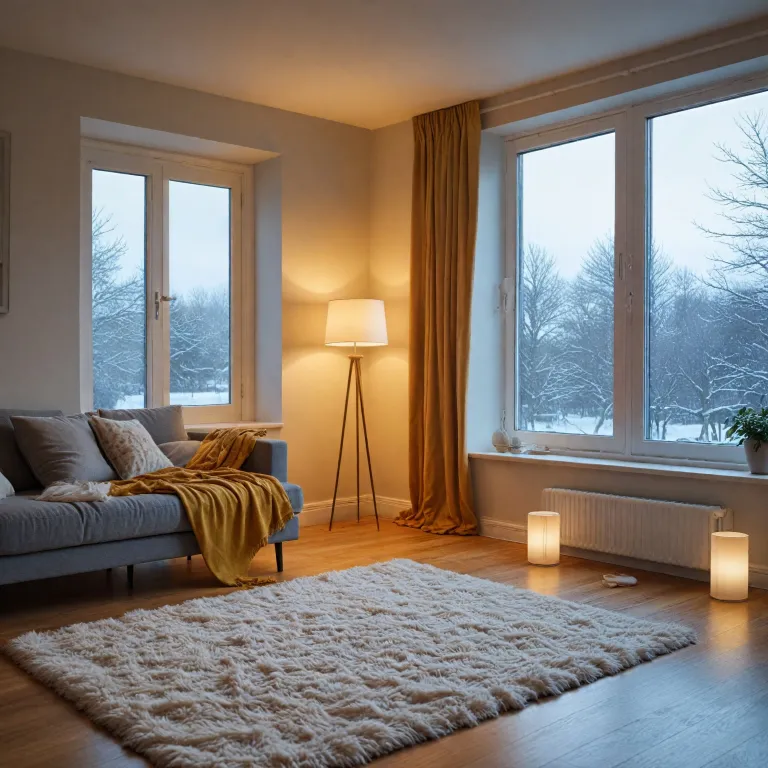

Smart winter energy saving tips for every home
Smart winter energy saving tips start with understanding how energy moves. When the air inside your home leaks through gaps, your heating system will work harder and your bill rises quickly. Simple actions that keep warm air in and cold air out can help you save without sacrificing comfort.
Begin by checking windows and doors, then close any visible gaps with weatherstripping or sealant to reduce unnecessary heat loss and overall energy usage. Thick curtains help keep heat inside at night, while opening them during sunny winter days lets free solar heat warm your rooms naturally. These low cost saving tips work in both small apartments and larger real estate properties that struggle with rising energy bills.
Next, look at how you set your thermostat, because even a small change will influence your electricity bill or gas bill. Many experts recommend lowering the thermostat by 1 to 2 °C and wearing warmer clothing, which can save energy while keeping rooms comfortable for most people. If you feel cold, use a safe space heater in the room you occupy instead of raising central heating for the entire home.
Pay attention to hot water as well, since water heaters consume a surprising amount of electricity or natural gas during winter. Insulating hot water pipes and setting the water heater to around 50 °C can reduce energy usage without affecting comfort at the tap. These winter energy saving tips around water heater settings, insulation, and shorter showers will gradually save electricity and gas electric costs over the season.
Using smart thermostats to cut winter heating costs
A smart thermostat can help you apply winter energy saving tips with precision. Unlike a basic thermostat, a connected model learns your schedule, adjusts heating automatically, and will show detailed energy usage patterns. This insight lets you set realistic targets to save energy while still keeping key rooms warm when needed.
Program your smart thermostat to lower the heat when you sleep, then raise it slightly before you wake so the air feels comfortable. During work hours, you can set the temperature lower again, which reduces heating demand and helps shrink both electricity and gas bills. Many devices also offer geofencing, so the heater turns down when you leave and back up as you return.
For homes with both gas and electric systems, such as a gas furnace and electric space heaters, smart controls coordinate how each heater operates. You can prioritize the most energy efficient system and use portable space heaters only in occupied rooms, which is one of the most effective ways save on winter costs. Over time, these saving tips translate into measurable reductions on monthly energy bills.
When choosing a device, look for an Energy Star certified thermostat that supports your existing boiler, heat pump, or gas electric setup. Guides that explain the features of a second generation learning thermostat can clarify which functions matter most for your home. Once installed, use the app to monitor electricity, natural gas, and hot water related heating trends, then adjust schedules to keep comfort high and energy saving performance strong.
Balancing comfort, air quality, and energy efficient heating
Effective winter energy saving tips must balance warmth, fresh air, and health. Sealing every crack without planning ventilation can trap pollutants indoors, especially when heating systems and space heaters run for many hours. The goal is to keep heat inside while still allowing enough fresh air exchange to protect indoor air quality.
Use controlled ventilation, such as brief window openings, instead of leaving windows slightly open all day in winter, which wastes energy. A smart thermostat paired with sensors can help you set precise temperatures and track humidity, so the heater does not overwork when the air feels dry. This approach will keep rooms comfortable while supporting energy efficient operation of both central heating and supplementary space heaters.
Many households rely on electric space heaters or gas electric units to warm specific rooms, but these devices must be used carefully. Place space heaters away from curtains, never cover them, and always turn them off when you leave the room to save electricity and reduce fire risk. Combining these safety habits with other saving tips, such as closing doors to unused rooms, can significantly lower energy usage.
Lighting also plays a role in winter comfort and energy saving strategies. Switching to efficient LED bulbs and using smart lighting systems, such as those described in this guide to smart lights for flexible home illumination, can reduce electricity consumption while keeping rooms bright and welcoming. When you coordinate lighting schedules with thermostat settings, you create integrated ways save energy that feel natural and easy to maintain.
Managing hot water, water heaters, and hidden winter costs
Hot water is often overlooked in winter energy saving tips, yet water heaters can be major energy users. Whether your home relies on electricity, natural gas, or a gas electric hybrid system, the water heater will run more frequently when incoming water is colder. Understanding how your specific water heater operates is essential to identify realistic ways save on energy bills.
First, check the thermostat on your water heater and set it to a moderate temperature that still provides comfortable hot water for showers and washing. Many households can reduce the setting slightly, which will help save energy without noticeable changes in daily routines. Insulating the tank and nearby hot water pipes further reduces heat loss, especially in unheated basements or garages.
Shorter showers and efficient fixtures are simple saving tips that add up over the winter months. Low flow showerheads reduce both water and energy usage, since less hot water needs to be heated, pumped, and reheated. These measures will lower your electricity bill or gas bill, depending on whether your water heaters use electricity, natural gas, or a combination.
In multi unit real estate buildings, coordinating maintenance of shared water heaters and heating systems can unlock additional energy saving benefits. Property managers who track energy usage data can identify apartments or common areas where a small thermostat adjustment or pipe insulation project would save electricity and gas. Over time, these targeted interventions become reliable saving products that support both tenant comfort and long term operating budgets.
Smart zoning, space heaters, and advanced control strategies
More advanced winter energy saving tips focus on zoning, which means heating only the rooms you actually use. In older homes without built in zones, residents often rely on space heaters to warm specific areas while keeping the central thermostat set lower. When managed carefully, this strategy can help you save energy and maintain comfort without overheating empty rooms.
Start by identifying which rooms you need warmest, then close doors to unused spaces so heat stays where it is needed. A smart thermostat combined with radiator valves or duct dampers can create virtual zones, allowing you to set different temperatures for bedrooms, living areas, and workspaces. This targeted heating will reduce overall energy usage and can significantly cut both electricity and gas bills.
Portable space heaters should be chosen carefully, prioritizing models with thermostats, timers, and safety shutoff features. Using an energy efficient space heater in a single room, while keeping the main thermostat slightly lower, is one of the practical ways save on winter heating costs. However, avoid running multiple space heaters at once, because this can raise your electricity bill sharply and strain circuits.
For households interested in deeper control, integrating smart plugs, sensors, and a central hub with the thermostat can automate many saving tips. Resources that explain how a connected thermostat transforms home comfort show how automation coordinates heating, air circulation, and even some water heater functions. These systems will help you keep rooms comfortable, save electricity, and maintain consistent energy saving performance across the entire home.
Planning upgrades and long term winter energy strategies
Some of the most powerful winter energy saving tips involve gradual upgrades rather than quick fixes. Replacing an old heater, boiler, or water heater with an energy efficient model can significantly reduce long term energy usage. When combined with a smart thermostat and good insulation, these upgrades will help stabilize energy bills even as weather patterns change.
Look for Energy Star labels when evaluating new heaters, water heaters, or major appliances, because these products meet strict efficiency criteria. Many state local programs offer rebates or incentives for installing energy saving equipment, which can reduce upfront costs and improve overall return on investment. Over time, these saving products pay back through lower electricity and natural gas consumption.
Homeowners and real estate investors should also consider building envelope improvements, such as better insulation in walls, roofs, and floors. These measures keep heat inside longer, allowing the thermostat to be set lower while rooms remain comfortable, which will save energy every winter. In rental properties, clear communication with tenants about heating tips and thermostat use can further reduce wasted energy.
Finally, track your electricity bill and gas bill over several months to see how changes affect energy usage. Many utilities provide online dashboards that break down electricity, gas electric, and sometimes hot water consumption, helping you refine your saving tips. By combining smart thermostat control, efficient heaters, and thoughtful behavior changes, you create a resilient winter strategy that protects both comfort and household finances.
Key statistics on winter heating and energy usage
- Include here the most relevant percentage of households that use smart thermostats to manage winter heating and reduce energy bills.
- Mention the average reduction in energy usage achieved by installing an Energy Star certified thermostat in a typical home.
- Highlight the proportion of residential energy dedicated to space heating and hot water during winter months.
- Note the typical savings range on electricity and natural gas bills reported after basic insulation and thermostat adjustments.
- Indicate the share of state local incentive programs that focus on heating, water heaters, and other winter energy saving products.
Common questions about smart thermostats and winter energy saving tips
How does a smart thermostat help reduce winter heating costs ?
A smart thermostat reduces winter heating costs by automatically adjusting temperatures based on your schedule and occupancy patterns. It will lower the heat when you are away or asleep, then warm rooms before you return, which helps save energy without sacrificing comfort. Over time, detailed energy usage data allows you to refine settings, cut waste, and reduce both electricity and gas bills.
Are smart thermostats compatible with gas and electric heating systems ?
Most modern smart thermostats work with a wide range of gas, electric, and gas electric hybrid heating systems. Before buying, you should check the compatibility list for your specific boiler, furnace, or heater model to ensure safe operation. Once installed correctly, the thermostat can coordinate heating cycles efficiently, supporting many of the winter energy saving tips discussed above.
Can a smart thermostat control hot water and water heaters as well ?
Some advanced systems can control both space heating and hot water production, especially in integrated boiler setups. In these cases, the thermostat and associated controls manage when water heaters run, which can reduce unnecessary energy usage. Even when direct control is not available, monitoring overall energy bills and adjusting schedules can still help you save electricity or natural gas.
Is it better to keep the heating on low all day or turn it up only when needed ?
For most well insulated homes, it is more efficient to heat rooms only when needed rather than keeping the heater on low all day. A smart thermostat can automate this process by preheating rooms before you wake or return home, then lowering temperatures when you leave. This approach aligns with proven winter energy saving tips and usually results in lower energy bills.
What temperature should I set my thermostat to in winter for comfort and savings ?
Comfortable winter settings vary, but many households find a range around 19 to 21 °C suitable for occupied rooms. Lowering the thermostat by 1 to 2 °C and using warm clothing or blankets can significantly save energy without major discomfort. Nighttime and away settings can be several degrees lower, especially when combined with good insulation and other saving tips.