

Understanding the role of a gable fan thermostat
How a Thermostat Controls Your Gable Attic Fan
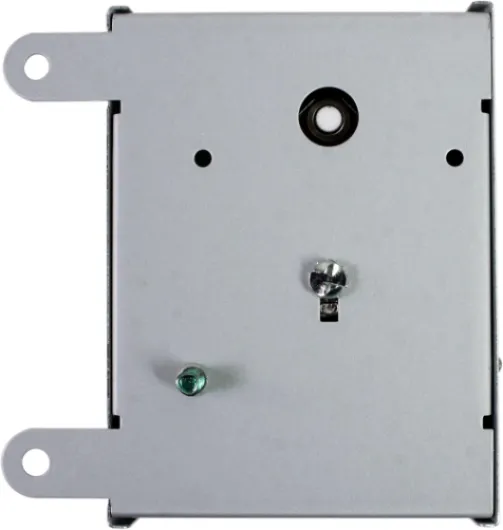
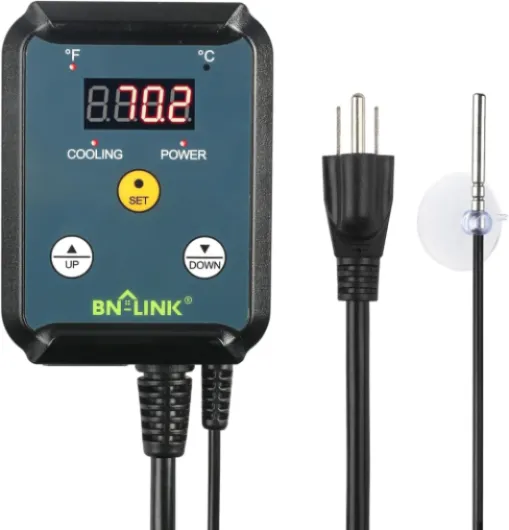
When it comes to attic ventilation, the thermostat is the brain behind your gable fan system. This small but essential product monitors the temperature in your attic space and signals the fan to turn on or off, depending on the heat level. By doing so, it helps regulate air movement and keeps your attic from overheating, which can protect your roof, insulation, and even lower your cooling costs.
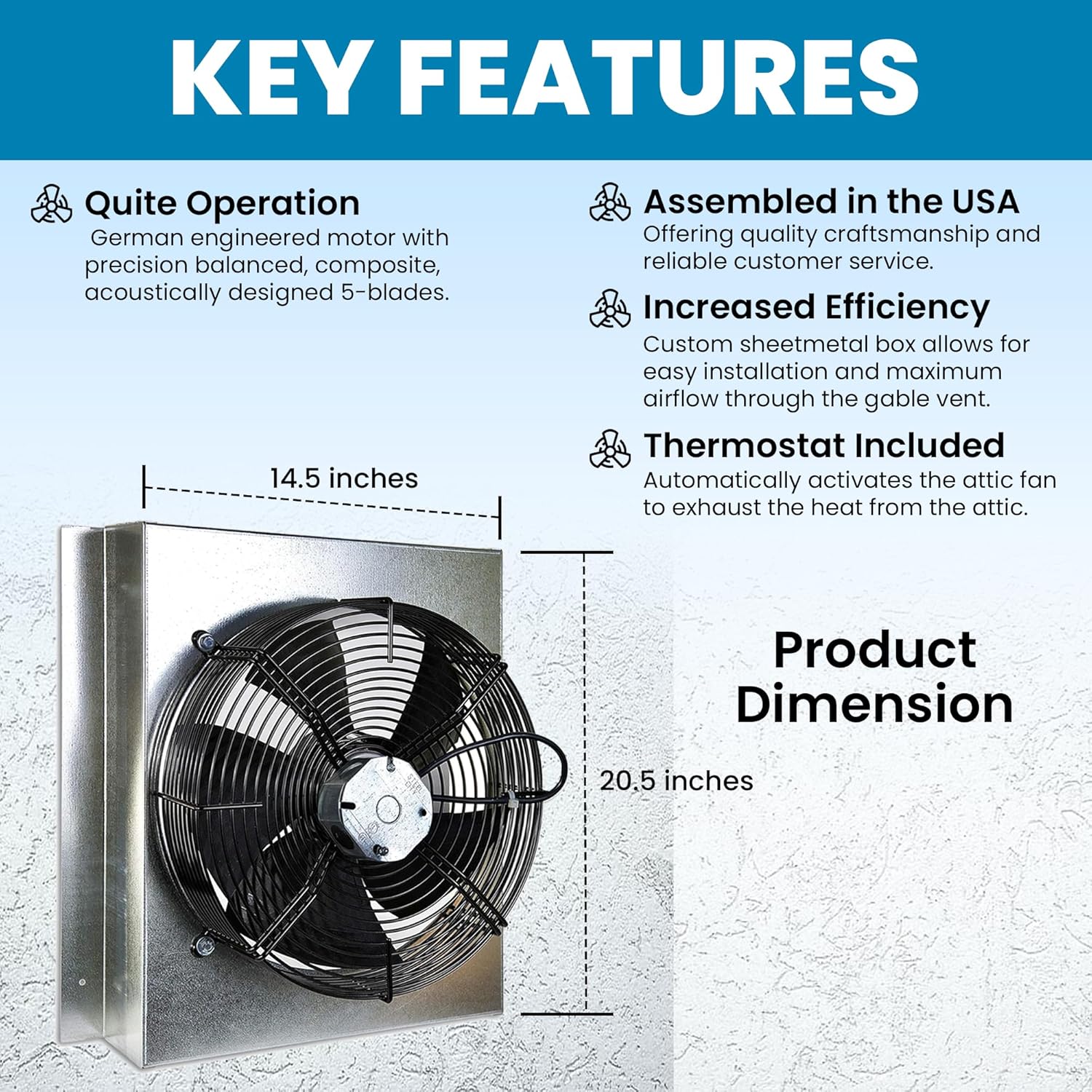
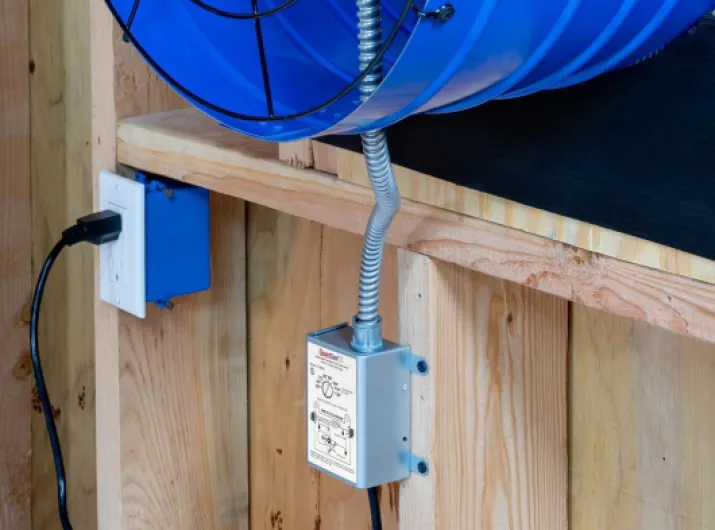
Most gable fans are designed to be mounted on the gable wall of your attic. The thermostat works by sensing when the attic temperature rises above a set point—often adjustable for your comfort and efficiency needs. Once the threshold is reached, the fan motor powers up, pulling hot air out through the vent and drawing cooler air in. This exhaust process is measured in CFM (cubic feet per minute), which tells you how much air the fan can move. Higher CFM ratings generally mean better air circulation for larger attic spaces.
- Easy install: Many attic ventilator kits come with a bracket system or housing that makes mounting attic fans straightforward, even for DIYers.
- Adjustable thermostat: Allows you to set the temperature at which the fan turns on, giving you control over attic air flow and energy use.
- Secure mounting: Look for a gable mount power attic fan with a sturdy bracket system for easy secure installation.
Choosing the right gable fan thermostat involves considering details like power, CFM gable ratings, and compatibility with your attic size. Some models, like the AFG Pro or other popular attic fan products, offer features such as fan adjustable settings and video guides for installation. Customers often look for a balance between regular price and performance, so checking customer reviews and store ratings can help you find the best exhaust fan for your needs.
If you run into issues with your thermostat or fan not responding, troubleshooting resources are available. For example, if your system includes smart features and you experience connectivity problems, you might find this guide on fixing thermostat WiFi issues helpful.

Benefits of using a gable fan thermostat in your attic
Why attic ventilation matters for your home
Proper attic ventilation is essential for maintaining a healthy and energy-efficient home. A gable fan thermostat helps regulate the temperature in your attic space by controlling when the fan turns on and off. This means your attic fan only runs when needed, saving power and reducing wear on the motor. By efficiently exhausting hot air, a gable mount power attic fan can prevent heat buildup that damages roofing materials and increases cooling costs.Key advantages for homeowners
- Energy savings: By activating the exhaust fan only when temperatures reach a set point, the thermostat helps lower your energy bills. The attic ventilator works smarter, not harder.
- Extended roof life: Excessive attic heat can warp shingles and degrade insulation. A fan adjustable thermostat keeps temperatures in check, protecting your investment.
- Improved indoor comfort: Efficient attic ventilation reduces heat transfer into living spaces, making your home more comfortable during hot months.
- Moisture control: Proper air movement helps prevent condensation and mold growth, especially in humid climates.
- Easy install and maintenance: Many gable attic fans come with a bracket system and secure mounting options, making installation and upkeep straightforward for most customers.
Performance and value considerations
When choosing a gable fan thermostat, consider the cfm (cubic feet per minute) rating, which measures how much air the fan can move. Higher cfm gable fans are ideal for larger attic spaces. Look for products with an adjustable thermostat, durable housing, and easy secure mounting. Some models, like the afg pro series, offer advanced features and video installation guides for added convenience. Customer reviews often highlight the importance of matching the fan's power and size to your attic. Price can vary based on features, but investing in a quality product can lead to long-term savings and fewer issues down the line. For troubleshooting tips and more details on what to do if your thermostat isn't working as expected, check out this guide on handling thermostat issues. Overall, a well-chosen gable mount exhaust fan with a reliable thermostat is a smart upgrade for any homeowner looking to improve attic ventilation and protect their home.Key features to look for in a gable fan thermostat
What Makes a Gable Fan Thermostat Stand Out?
When choosing a gable fan thermostat for your attic, it’s important to focus on features that ensure efficient air movement, durability, and ease of use. The right thermostat can make a big difference in how well your attic fan manages heat and moisture, helping to protect your attic space and improve overall home comfort.
- Adjustable Thermostat: Look for a fan adjustable thermostat that allows you to set the temperature at which the attic fan activates. This flexibility ensures your attic ventilator only runs when needed, saving power and extending the life of the motor.
- CFM Rating: The cubic feet per minute (cfm) rating tells you how much air the fan can move. For larger attic spaces, a higher cfm gable fan is essential for effective exhaust and ventilation. Products like the afg pro series are known for their high cfm output.
- Motor Quality: A durable motor is crucial for long-term performance. Check product details for information on motor type and power. A reliable motor means less maintenance and fewer issues down the line.
- Mounting System: Easy install and secure mounting are key. Many gable mount fans come with a bracket system or housing easy to attach, making it simple for customers to mount power attic fans themselves or with minimal help. Look for mounting attic solutions that offer both stability and convenience.
- Compatibility with Smart Controls: Some newer gable fan thermostats can be integrated with smart home systems, allowing remote control and automation. For those interested in advanced options, exploring the benefits of Airzone Aidoo for your home can offer insights into how smart thermostats enhance attic ventilation.
- Build Quality and Housing: The fan’s housing should be weather-resistant and robust. This protects the motor and electrical components from attic heat and humidity, ensuring longevity.
- Price and Customer Reviews: Compare the regular price and customer feedback before purchasing. Stores often list product reviews that highlight real-world performance, ease of install, and any issues with the exhaust fan or thermostat.
- Support and Resources: Many manufacturers provide video guides and detailed instructions for installation and troubleshooting. These resources can make the process easier for customers, especially those new to attic fans.
Choosing the right gable attic fan thermostat involves balancing power, efficiency, and ease of use. By focusing on these key features, you can ensure your attic ventilator delivers reliable exhaust and improved air quality for years to come.
Installation tips for a gable fan thermostat
Getting Your Gable Fan Thermostat Set Up Right
Installing a gable fan thermostat in your attic isn’t just about plugging in a device. It’s about making sure your attic fan, thermostat, and vent system work together for the best air movement and energy savings. Here’s what to keep in mind for a smooth and effective installation:
- Choose the Right Location: Place the thermostat away from direct sunlight and vents. This ensures it reads the true attic temperature, not a hot spot or draft. Most customers find mounting the thermostat near the center of the attic space, but not directly above the fan, gives the most accurate results.
- Secure Mounting: Use a bracket system or housing that’s designed for easy, secure mounting. Many gable mount power attic fans come with mounting kits, but double-check that the product you select includes all necessary hardware for your attic’s structure.
- Wiring and Power: Always follow the manufacturer’s wiring details. If you’re not comfortable with electrical work, consider hiring a professional. Incorrect wiring can damage the fan motor or thermostat, and may void the warranty. Make sure the power is off before starting any installation.
- Fan and Thermostat Compatibility: Not all thermostats work with every attic fan. Check the cfm rating and motor specs of your fan, and ensure your new thermostat can handle the power requirements. Some attic ventilator fans, like the afg pro or cfm gable models, require specific thermostat types for optimal performance.
- Adjustable Settings: Look for an adjustable thermostat so you can set the temperature at which the exhaust fan kicks on. This helps balance air flow and energy use, especially in changing seasons.
- Test Before Final Mounting: Temporarily connect the thermostat and fan, then use a heat source (like a hair dryer) to test activation. This step helps avoid surprises after everything is mounted.
- Easy Install Features: Many modern gable attic fans and thermostats are designed for easy install, with clear instructions and video guides available from the store or manufacturer’s website. Reading customer reviews can also highlight any common installation challenges with a particular product.
Taking the time to get the installation right means your attic exhaust fan and thermostat will work together to keep your attic space cooler and more energy efficient. A well-installed system also makes future maintenance easier, ensuring your investment in attic ventilation pays off for years to come.
Maintenance and troubleshooting for optimal performance
Keeping Your Gable Fan Thermostat Running Smoothly
Regular maintenance is key to ensuring your attic fan and thermostat work efficiently. Dust, debris, and even insects can affect the performance of your gable mount exhaust fan, so a little attention goes a long way.- Inspect the fan and vent: Check for dust buildup or obstructions around the fan blades and housing. Clean these areas gently to maintain optimal airflow and prevent strain on the motor.
- Test the thermostat: Adjust the thermostat setting to trigger the fan. Listen for the motor to start and verify that the exhaust fan responds as expected. This helps confirm that the adjustable thermostat is still accurate and responsive.
- Check mounting and brackets: Ensure the gable mount and bracket system remain secure. Loose mounting can cause vibration, noise, or even damage to the attic space.
- Monitor CFM performance: If you notice reduced airflow, compare the current output to the product’s rated CFM (cubic feet per minute). Lower CFM could indicate a clogged vent, worn motor, or other issues.
- Power supply and wiring: Periodically inspect the power connections and wiring for signs of wear or corrosion. Faulty wiring can lead to inconsistent operation or safety hazards.
Quick Troubleshooting Steps
If your attic ventilator or gable fan stops working or seems less effective, try these steps before calling a professional:- Confirm the power switch and circuit breaker are on.
- Test the thermostat by lowering the set temperature to see if the fan turns on.
- Look for any visible obstructions in the fan housing or vent.
- Listen for unusual noises from the motor, which could signal a mechanical issue.
Comparing smart thermostats and traditional gable fan thermostats
Smart Controls Versus Manual Settings
When comparing smart thermostats to traditional gable fan thermostats, the most noticeable difference is in how you control the system. Traditional gable fan thermostats usually rely on manual settings. You set a temperature, and the fan turns on or off based on that threshold. In contrast, smart thermostats offer remote access, scheduling, and integration with home automation systems. This means you can adjust your attic fan from your phone, set routines, or even use voice commands, making it easier to manage attic ventilation and temperature.
Performance and Efficiency
Both types of thermostats are designed to regulate attic air and exhaust hot air, but smart thermostats often provide more precise control. With a smart thermostat, you can monitor real-time attic temperature and humidity, helping you optimize fan operation for energy savings. Some models even analyze your attic space and adjust the fan speed or cfm (cubic feet per minute) output automatically. Traditional thermostats, while reliable, lack these advanced features and may not respond as quickly to changing attic conditions.
Installation and Compatibility
Traditional gable fan thermostats are typically straightforward to install, often requiring only basic wiring and mounting. Many products come with easy install instructions, secure mounting brackets, and housing designed for quick setup. Smart thermostats may require additional steps, such as connecting to Wi-Fi or integrating with your home’s automation system. However, many brands now offer easy secure mounting and video guides to help customers through the process. Always check if your attic fan, motor, and power supply are compatible with the thermostat you choose.
Price and Value
| Feature | Traditional Gable Fan Thermostat | Smart Thermostat |
|---|---|---|
| Regular Price | Lower | Higher |
| Control | Manual | Remote/App |
| Features | Basic (on/off, adjustable thermostat) | Advanced (scheduling, analytics, integration) |
| Installation | Easy, bracket system | Easy, but may need Wi-Fi setup |
Customer Preferences and Product Selection
Customers looking for a simple, cost-effective way to control attic fans often choose traditional thermostats. These are reliable, easy to mount, and work well for most attic ventilator and exhaust fan setups. On the other hand, those who want more control, data, and integration with other smart home devices may find the higher price of a smart thermostat justified. Reading customer reviews and checking product details at your preferred store can help you decide which option best fits your attic space and needs.