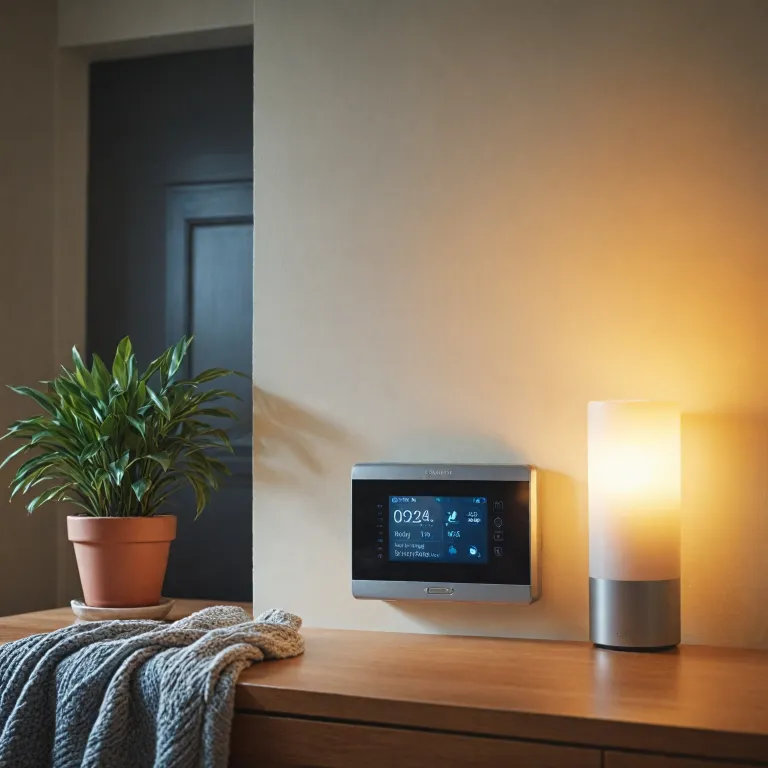
Why leaving your heat on matters more with a smart thermostat
When you leave your heat on during cold nights, your house responds in complex ways. The interaction between your heating system, indoor air, and building materials will shape comfort, energy use, and long term costs. Many people assume that turning heat off completely always saves money, but modern thermostats and hvac systems make the picture more nuanced.
A smart thermostat can track your energy patterns and adjust temperature with far greater precision. Instead of simply turning your heating on or off, your thermostat can set gradual changes that protect your system and your energy bill. This means that leaving your heat on at a lower temperature may be more energy efficient than repeatedly turning your system off and on.
In winter, your house loses heat through walls, windows, and floors at different speeds. If you leave your heat on at a modest temperature, your system avoids extreme temperature swings that stress components. Repeatedly turning your heating system from very cold to very warm can force hvac systems, including heat pumps and radiant floor heating, to work harder than necessary.
Smart thermostats and programmable thermostat models help you balance comfort and energy. You can set your thermostat to lower the temperature while you sleep, then start turning your heating up shortly before you wake. This strategy keeps your indoor air comfortable, protects your house from freezing risks, and manages your energy bill more predictably.
When you leave your heat on intelligently, your energy use becomes more stable. Your system runs in shorter, more frequent cycles instead of long, intense bursts that strain heating cooling equipment. Over time, this approach can extend the life of your hvac system and support better indoor air quality.
How to set your thermostat when you leave your house
Many people wonder whether to leave your heat on or off when leaving home. The answer depends on your system, your thermostat, and how long you will be away. For absences of less than a day, experts generally recommend lowering the temperature rather than turning your heating completely off.
With a smart thermostat, you can program different temperature set points for various times of day. You might set your thermostat to reduce heating when you leave your house for work, then start turning your heating back up an hour before you return. This programmable approach uses your energy more efficiently while keeping your house safe from cold related damage.
For longer trips, you can leave your heat on at a frost protection level that suits your system. Many thermostats and hvac systems allow a minimum temperature setting that prevents frozen pipes and protects floor heating or radiant floor installations. If you use a heat pump, maintaining a moderate temperature can also prevent inefficient emergency resistance heating from activating suddenly.
Smart thermostat platforms often integrate with mobile apps, so turning your heat up or down remotely becomes simple. Instead of worrying whether you left your heat on too high, you can check your thermostat from your phone and adjust your system in seconds. This remote control helps you avoid wasting energy while still protecting your house and indoor air quality.
If you are considering upgrading, guides on getting a complimentary smart thermostat for your home can be valuable. Once installed, your system will learn your routines, optimize heating cooling cycles, and reduce your energy bill without constant manual turning. Over time, this combination of automation and insight supports both comfort and long term energy efficient living.
Balancing comfort, energy, and air quality in winter
During winter, your heat needs to do more than simply raise temperature. Good heating protects your house structure, preserves indoor air quality, and keeps people comfortable without wasting energy. When you leave your heat on at a carefully chosen level, you support all three goals simultaneously.
Cold indoor air can hold less moisture, which affects both comfort and your system performance. If you turn your heating off completely for long periods, surfaces cool down and condensation risks increase when you finally start turning your heating back on. This cycle can harm materials, encourage mould, and undermine the benefits of even the most energy efficient hvac systems.
Smart thermostat features help you set temperature ranges that stabilise your house environment. Instead of large swings, your thermostat can maintain a narrow band that keeps your energy use predictable and your energy bill easier to manage. This approach is especially important for houses with radiant floor or floor heating, where large temperature changes can feel uncomfortable underfoot.
Leaving your heat on at a lower setting also supports better indoor air circulation. Many hvac systems use fans that move air through filters, improving indoor air quality while your system runs gently. When you leave your heat on in this controlled way, your system can capture more particles and maintain healthier air for people with sensitivities.
To enhance comfort further, some households pair smart thermostats with connected lighting, such as systems explained in this guide to smart lights and home ambience. Coordinating light, temperature, and air movement can make your house feel warmer without dramatically turning heat up. This integrated approach allows your system to work smarter, not harder, throughout the coldest winter days.
When leaving your heat on saves money and when it does not
Whether leaving your heat on saves money depends on insulation, system type, and behaviour. In a well insulated house with an energy efficient hvac system, maintaining a steady temperature often uses less energy than extreme daily swings. However, in a poorly insulated house, turning your heating down more aggressively can still reduce your energy bill.
Smart thermostat analytics can show how your system responds to different strategies. By tracking how quickly your house loses heat, your thermostat can recommend optimal set points for both day and night. Over time, this data driven approach helps you understand when turning your heating down further actually benefits your energy and when it simply makes your system work harder later.
For many households, the best compromise is to leave your heat on but lower by several degrees when sleeping or away. You can set your thermostat to resume your preferred temperature shortly before you wake or return, avoiding the discomfort of cold indoor air. This method reduces the need for intense turning heat cycles that strain components and increase wear on your system.
Different systems respond differently, especially when comparing heat pumps, traditional boilers, and radiant floor heating. Heat pumps and modern heat pumps in particular often perform best with smaller temperature setbacks, because large drops can trigger inefficient backup heating. Radiant floor or floor heating systems also change temperature slowly, so leaving your heat on steadily usually provides better comfort and control.
If you want deeper guidance, independent reviews of smart thermostat models, such as analyses of the most reliable Wi Fi thermostats for home use, can be helpful. These reviews examine how different thermostats and systems manage your energy, protect your house, and support heating cooling efficiency. Using this information, you can align your thermostat settings with both your comfort expectations and your long term financial goals.
Protecting your system, your house, and your energy over time
Leaving your heat on strategically also protects your system hardware and your house fabric. Frequent, deep temperature swings can cause metal components in hvac systems to expand and contract more dramatically. Over years, this stress may shorten the life of your system and reduce overall energy efficient performance.
Smart thermostat scheduling reduces unnecessary cycling by matching heating output to real demand. When you set your thermostat thoughtfully, your system runs in smoother patterns that respect both your energy and your comfort. This is especially important for complex systems that combine heat pump units, air handlers, and radiant floor loops.
Your house itself benefits when you leave your heat on at a protective baseline. Consistent temperature helps prevent condensation in cold corners, protects finishes, and supports stable indoor air quality. In regions with severe winter conditions, maintaining this baseline can prevent frozen pipes, warped flooring, and damage to sensitive materials.
From a financial perspective, the question is not simply whether to leave your heat on or off. The more relevant issue is how your system, your thermostat, and your building envelope interact to shape your energy bill. By understanding these relationships, you can avoid both unnecessary turning your heating up and excessive turning your heating down.
People sometimes focus only on the visible thermostat display and forget the hidden systems behind it. Yet your system includes ducts, pumps, controls, and sensors that all respond to how you set your thermostat. Treating the whole heating cooling ecosystem as one integrated system helps you make better decisions about when to leave your heat on and how to manage your energy efficiently.
Practical settings and habits for smarter winter heating
To use a smart thermostat effectively, start by defining realistic comfort ranges. Instead of aiming for a single fixed temperature, choose a narrow band that keeps your house comfortable while respecting your energy limits. This approach allows your thermostat to adjust gently, leaving your heat on just enough to avoid discomfort.
Next, create daily schedules that reflect your actual routines, including work, sleep, and leisure. You can set your thermostat to lower heating slightly when you are active and moving, then raise it modestly when you are sitting still. Over time, these small adjustments reduce your energy bill without forcing your system into harsh turning heat cycles.
Remember that different rooms and systems may need different strategies. A room with radiant floor or floor heating might stay warm longer than one heated only by air from ducts. Smart thermostat zoning, where available, lets your system direct heat precisely where your house needs it most.
Pay attention also to indoor air quality, especially when windows stay closed for long winter periods. Many hvac systems can circulate air even when heating demand is low, so consider using fan only modes periodically. This keeps indoor air fresher, supports filtration, and complements the work your heating system does when you leave your heat on.
Finally, review your energy reports regularly if your thermostat provides them. These insights show how your system, your thermostat settings, and your daily habits influence your energy efficient performance. By adjusting gradually, you can refine how you leave your heat on, protect your house, and manage your energy for many winters ahead.
Key statistics about smart thermostats and winter heating
- Households that use smart thermostat scheduling can reduce heating energy use by around 10 to 15 percent compared with manual control.
- In a typical house, heating systems account for approximately 40 to 60 percent of total energy consumption during winter months.
- Modern heat pumps can deliver up to three times more heat energy than the electrical energy they consume under favourable conditions.
- Improving insulation and air sealing can cut heating demand by 20 to 30 percent, even before thermostat optimisation.
- Indoor air quality often declines in winter, with pollutant concentrations sometimes reaching two to five times higher than outdoor levels in tightly sealed houses.
Common questions about leaving your heat on with a smart thermostat
Should I leave my heat on when I am not at home
For absences shorter than a full day, it is usually better to leave your heat on at a reduced temperature rather than turning your heating completely off. This approach prevents your house from cooling excessively, which would require more energy and time to reheat. A smart thermostat can automate these setbacks, ensuring your system balances comfort, protection, and energy use.
What temperature should I set my thermostat to in winter
The ideal winter temperature depends on your comfort, insulation, and system type. Many experts suggest maintaining a living temperature around the low twenties Celsius, with night or away setbacks of several degrees. A smart thermostat can help you test different set points and show how each choice affects your energy bill and comfort.
Does turning the heat off at night save more energy
Turning the heat off completely at night can save energy in some houses but may cause large temperature swings and discomfort. In many cases, leaving your heat on at a lower night setting offers a better balance between savings and sleep quality. Smart thermostats and programmable thermostat features make it easy to schedule these night setbacks automatically.
Are smart thermostats worth it for older heating systems
Smart thermostats can still provide benefits for older hvac systems, including improved scheduling, easier control, and better insight into your energy use. While some advanced features may require modern equipment, basic automation and remote access usually work well with legacy systems. Before upgrading, check compatibility and consider whether your system could also benefit from maintenance or efficiency improvements.
How do smart thermostats affect indoor air quality
Smart thermostats can indirectly improve indoor air quality by running fans strategically and avoiding extreme humidity or temperature swings. When you leave your heat on at stable levels, your system filters air more consistently and reduces condensation risks. Some models also integrate with air quality sensors, providing alerts and recommendations to keep your indoor air healthier throughout winter.