Key smart features that separate basic thermostats from premium models
Touchscreen programmable thermostats vary widely in how smart they really are. Some programmable thermostat models simply offer day programmable schedules, while others behave as fully fledged smart thermostats. Understanding these layers of smart features helps you avoid paying for functions you will never use.
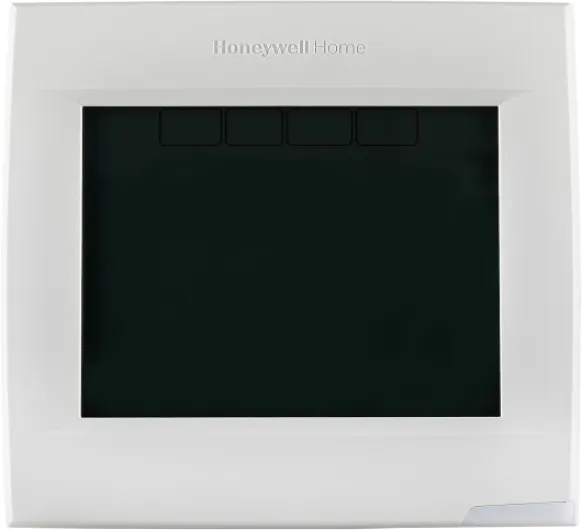
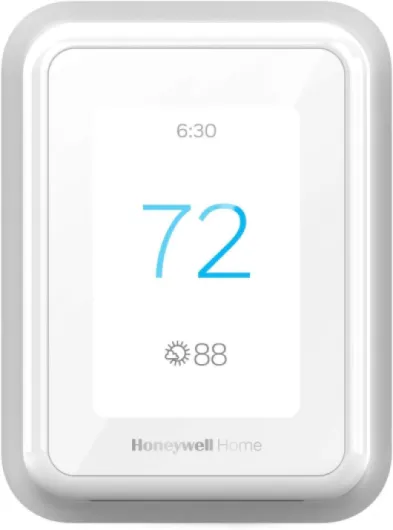
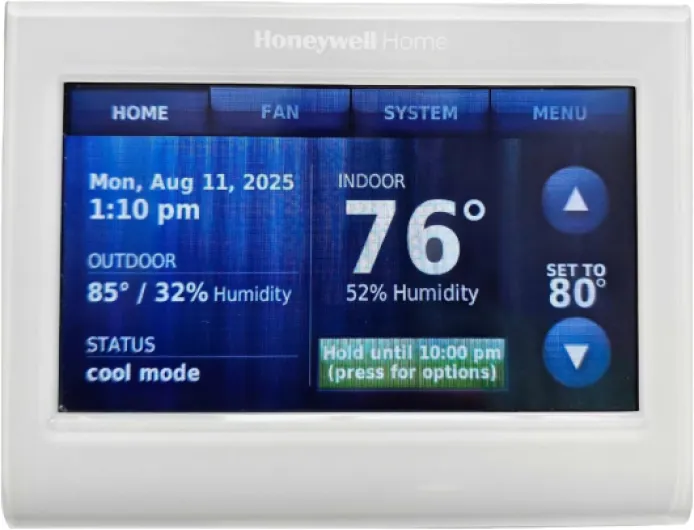
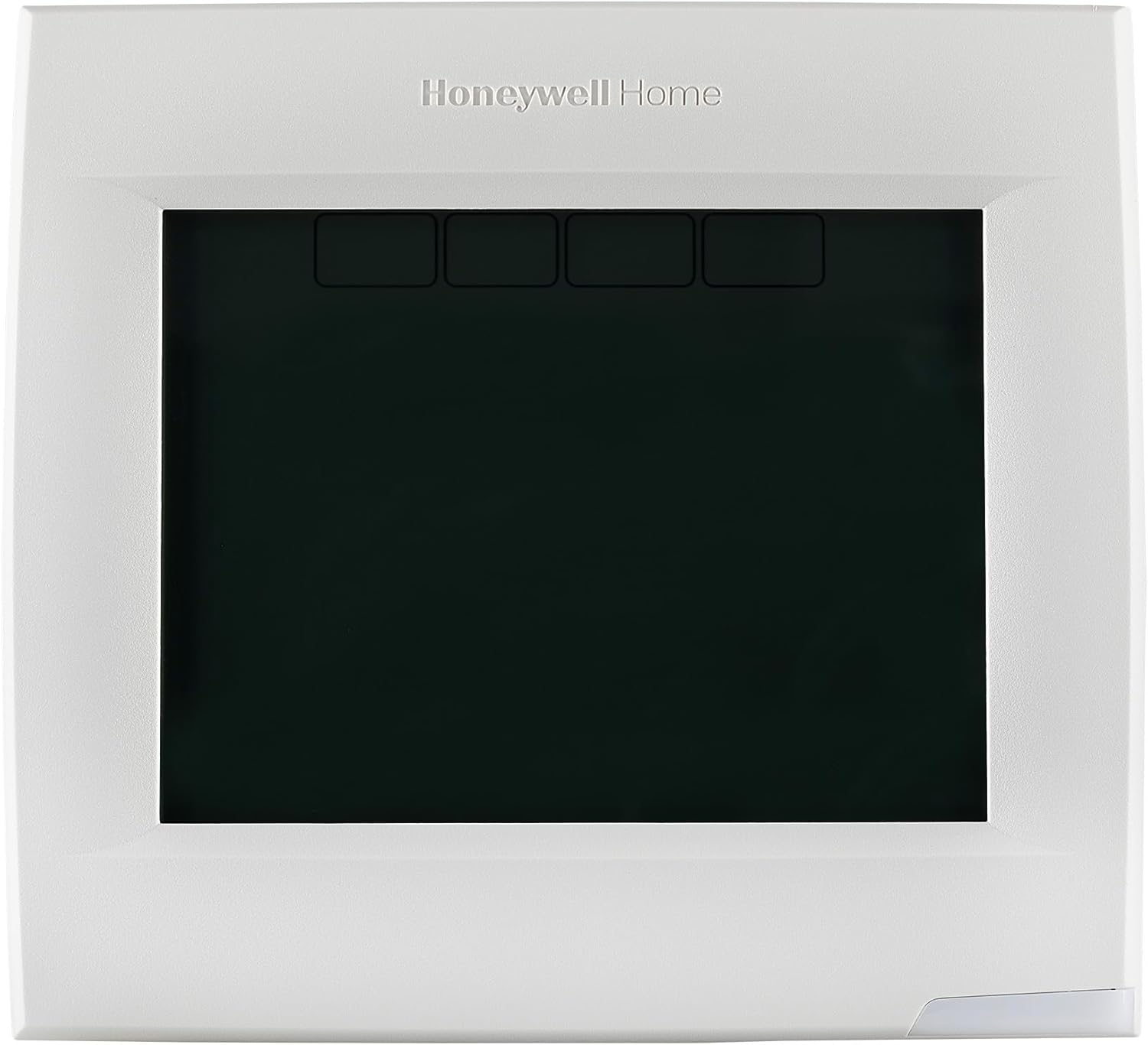
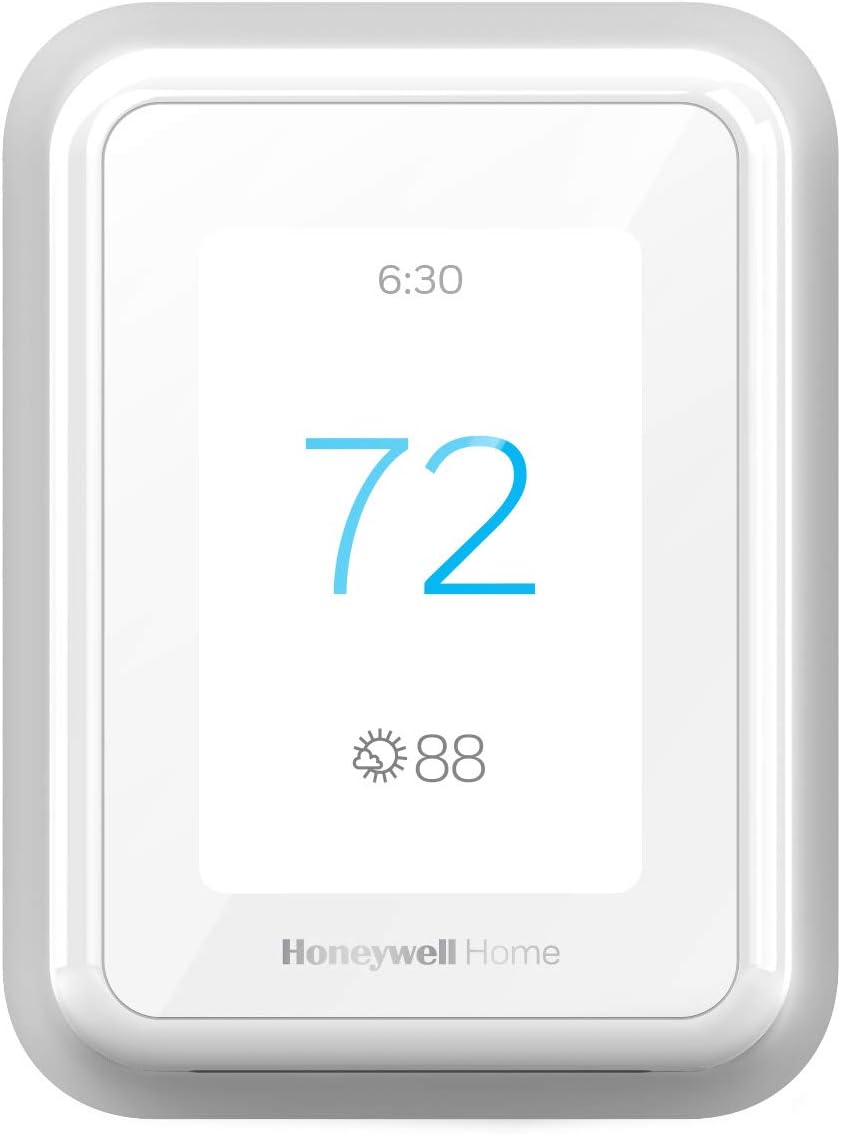
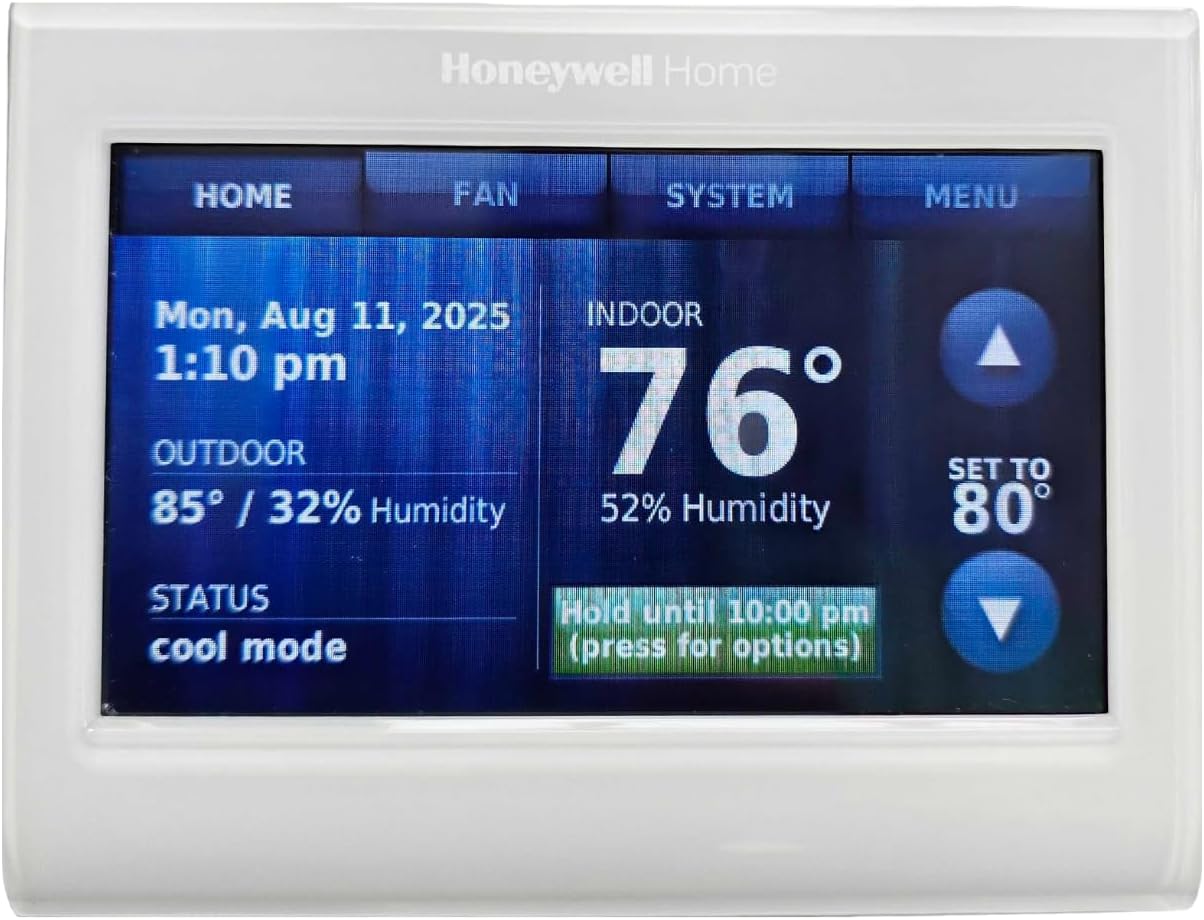
Entry level programmable thermostats focus on clear comfort through simple scheduling and accurate temperature control. A model like the Honeywell Home RTH8560D offers a bright screen and flexible programming, yet it skips wifi and advanced smart thermostat options. For many users, this balance of tested reliability and straightforward operation is still the best choice.
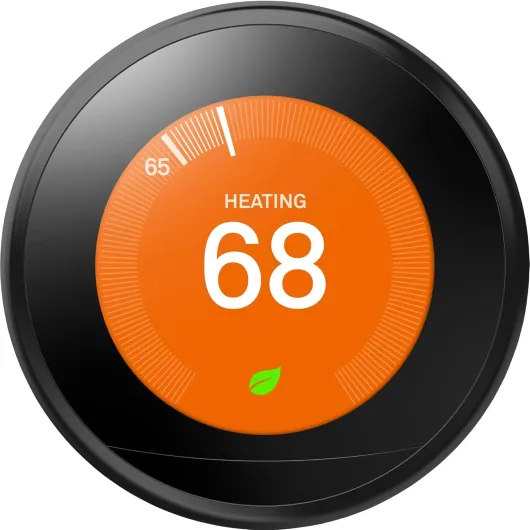
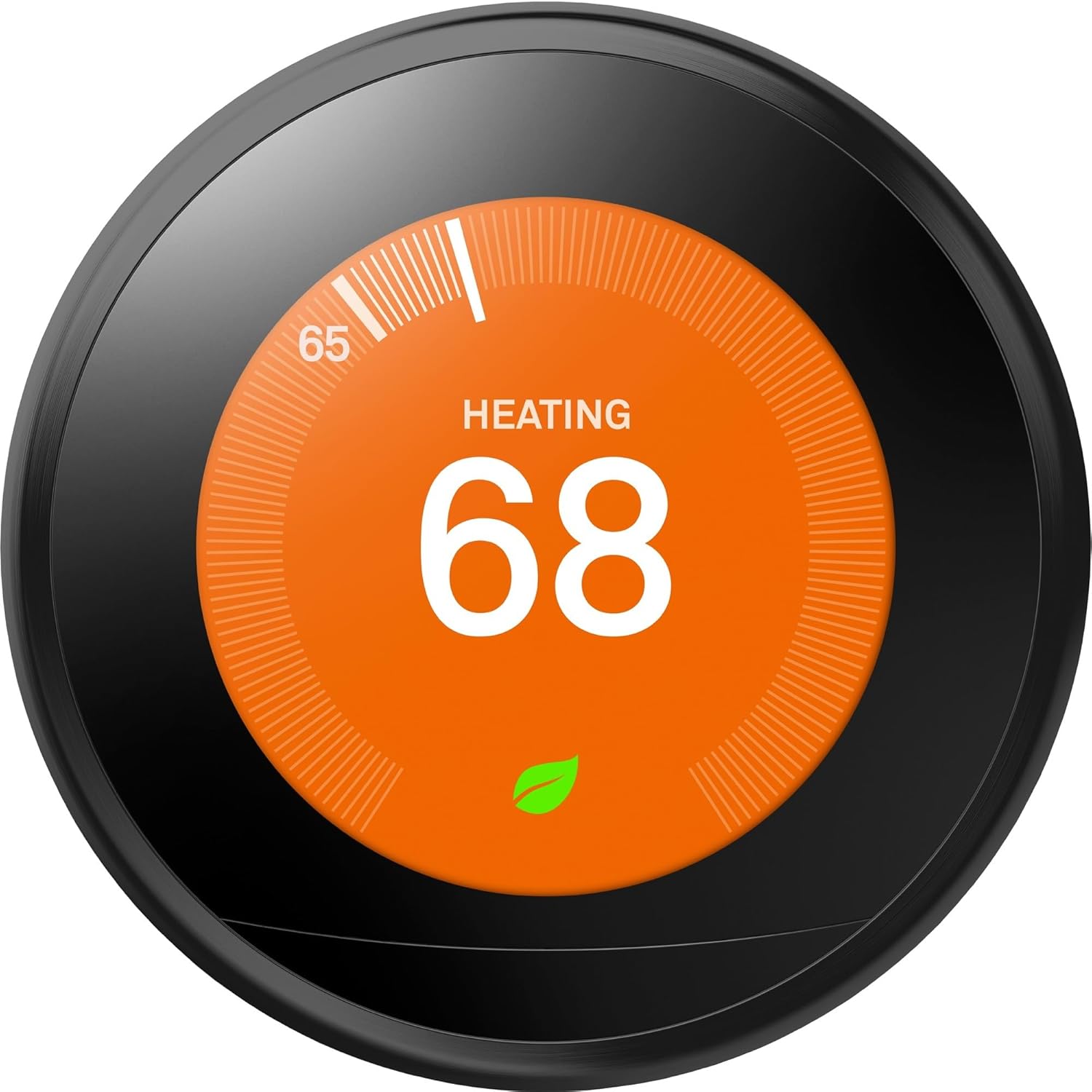
At the other end, a Nest Learning thermostat or ecobee smart thermostat premium adds learning, energy star certification, and deep app control. These learning thermostat designs watch how you adjust temperature, then build automatic eco mode routines that reduce energy without constant input. Over time, such smart thermostats can trim heating and cooling costs while keeping each room more consistently comfortable.
Voice integration is another major dividing line among the best touchscreen programmable thermostats. Models that work with amazon alexa, google nest hubs, and other amazon smart displays allow you to change temperature hands free. When combined with geofencing and occupancy sensing, these smart features ensure the thermostat will not waste energy on an empty home.
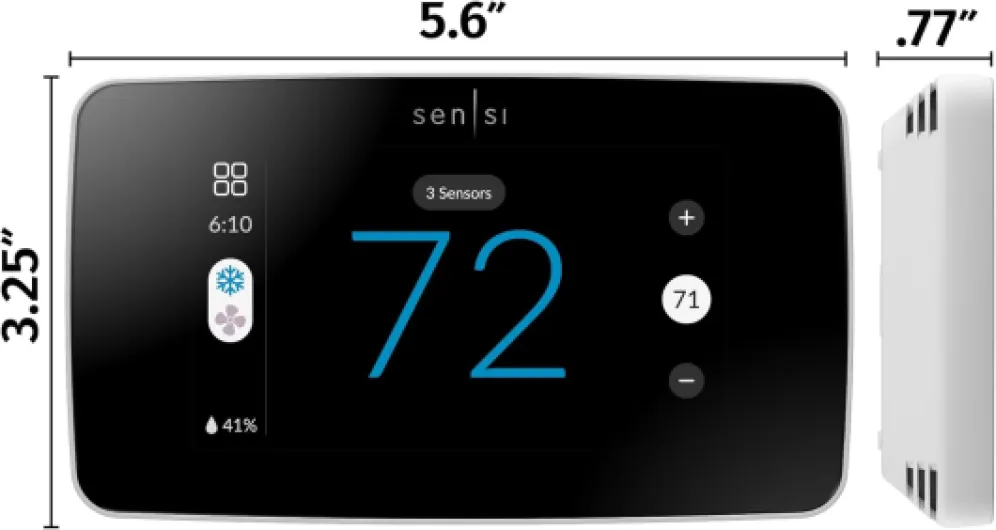
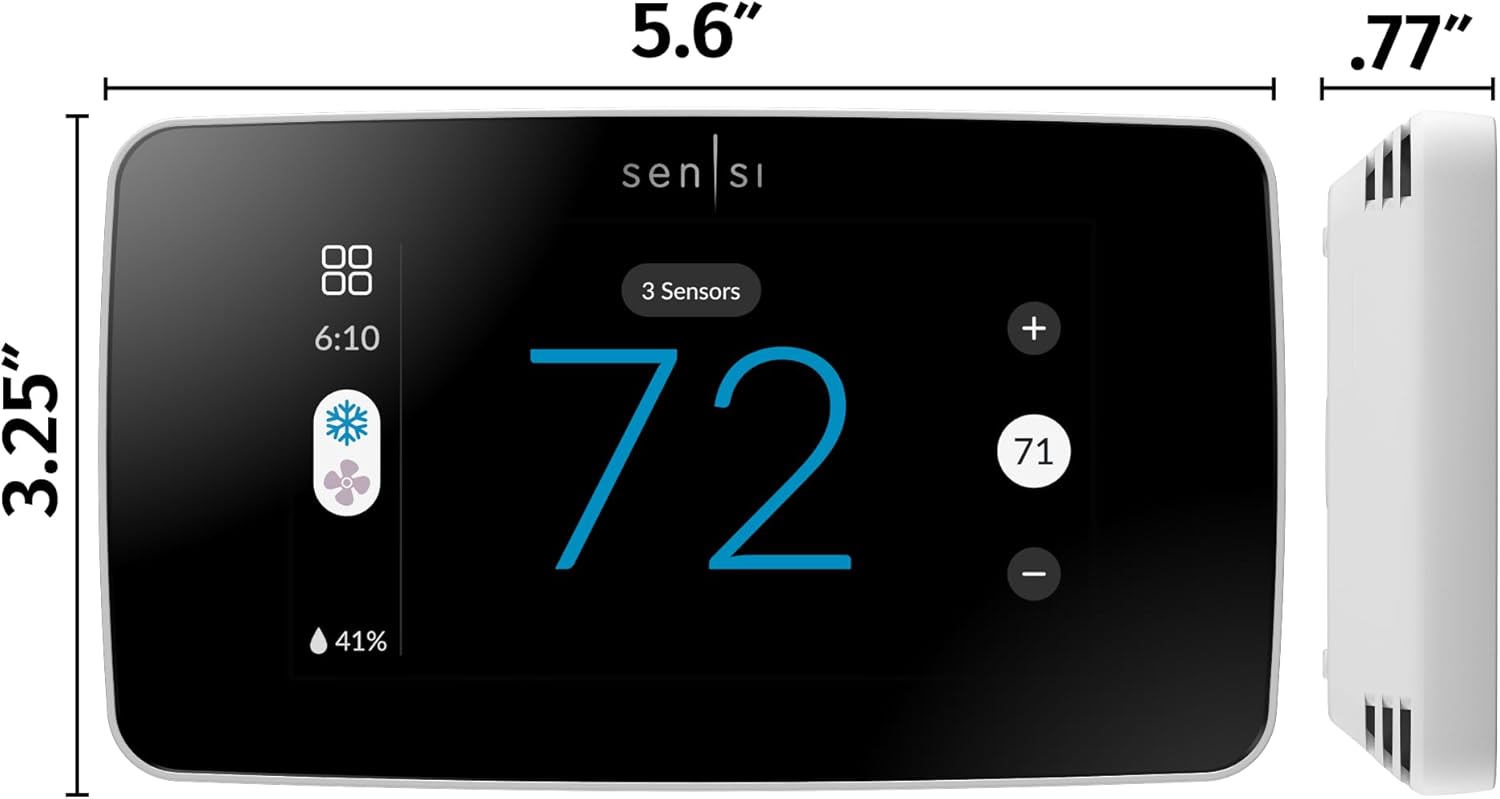
For readers comparing ecobee smart options, a detailed look at the benefits of the ecobee thermostat clarifies how remote sensors and wifi apps enhance comfort. These ecobee smart thermostats use multiple sensors to average temperature across rooms, reducing hot and cold spots. In practice, that means the thermostat responds to where people actually are, not just where the wire happens to enter the wall.
Compatibility, wiring, and installation issues you must check first
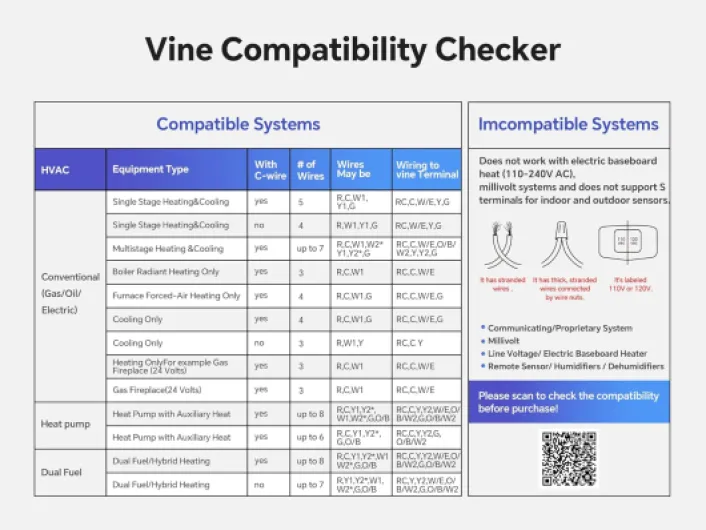
Before choosing among the best touchscreen programmable thermostats, you need to confirm HVAC compatibility. Smart thermostats differ in how they handle single stage, multi stage, and heat pump systems, so a quick check prevents frustration. Many manufacturers provide online compatibility tools that ask about your existing thermostat wire labels.
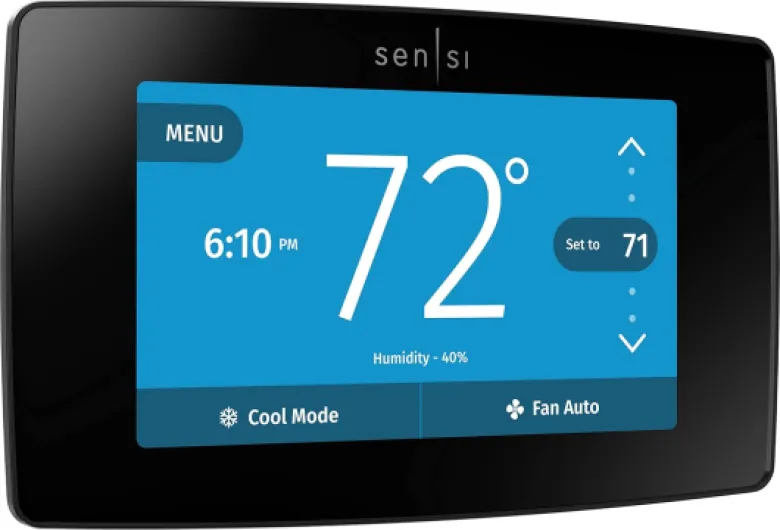
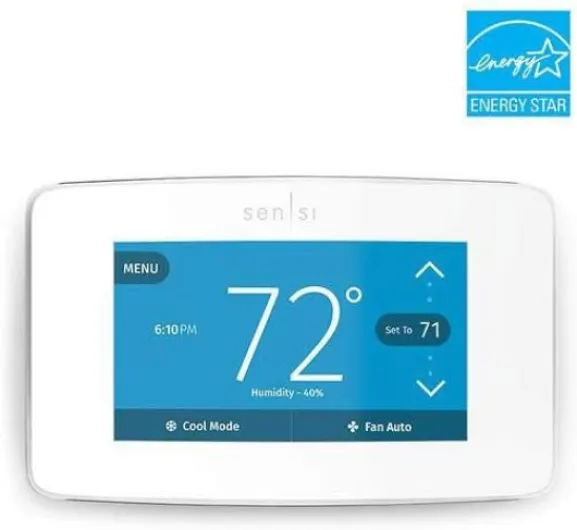
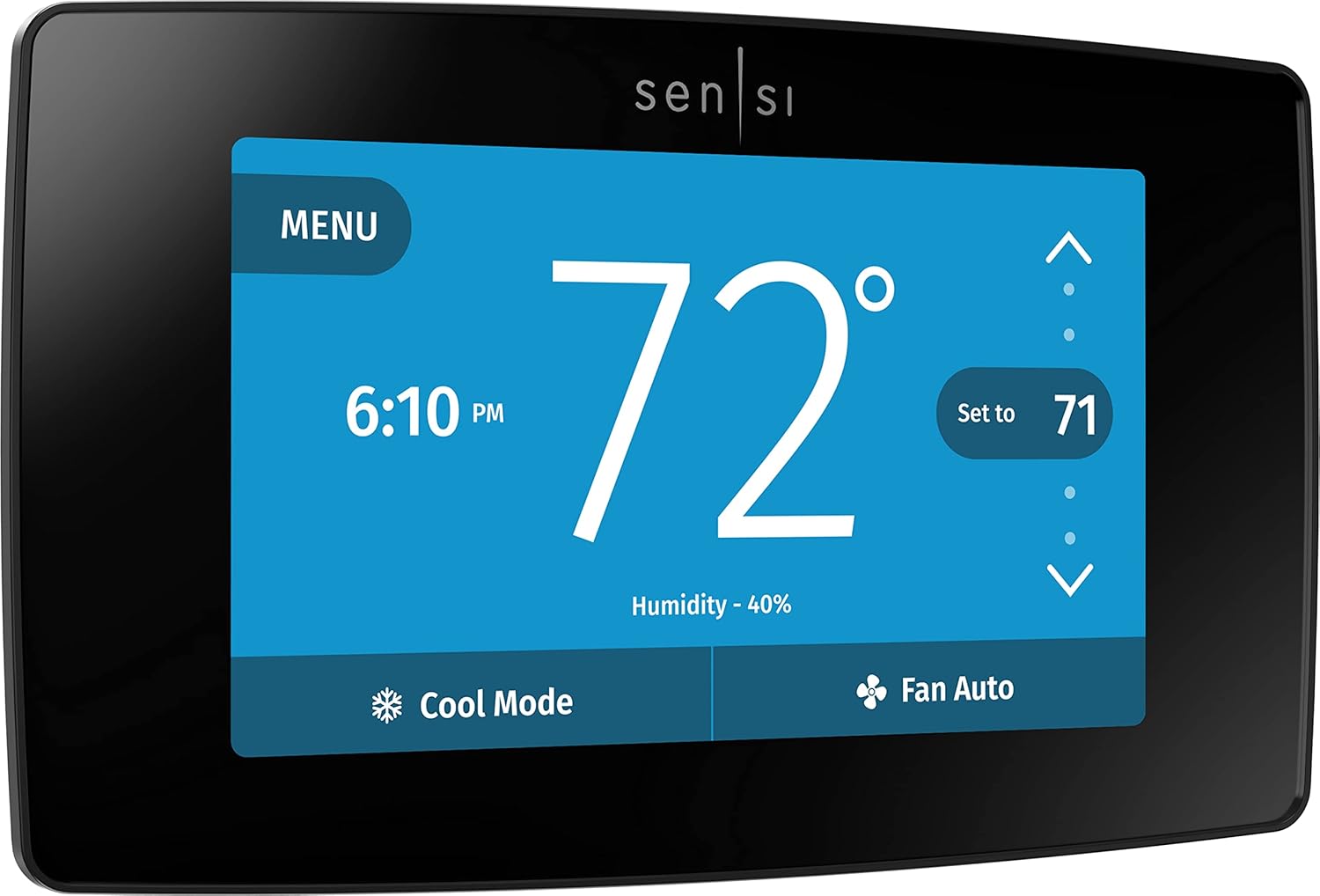
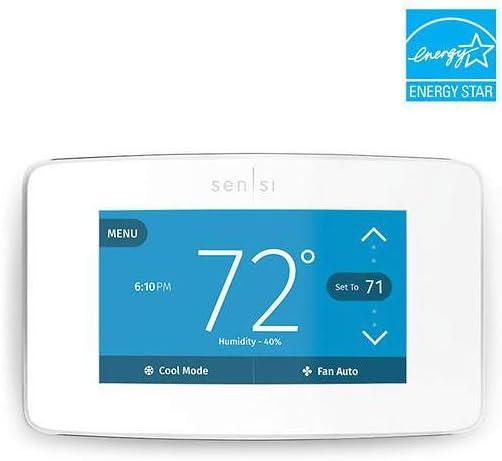
The presence of a C wire is often the most important technical detail. Wifi enabled smart thermostat models like Emerson Sensi Touch ST75, Nest thermostat, and several ecobee smart designs usually require this common wire. Without it, the thermostat may reboot, lose wifi, or fail to power advanced smart features reliably.
If your current thermostat lacks a C wire, you still have options that keep installation simple. Some programmable thermostats, including certain Honeywell thermostat models, can run on batteries or power stealing techniques that avoid new wiring. Alternatively, a dedicated C wire adapter, often sold as a thermostat amazon accessory, can bridge the gap for smart thermostats.
Room layout also affects which smart thermostat will work best in practice. When a thermostat sits in a hallway that never reflects real room temperature, remote sensors become valuable. Ecobee smart thermostats and some google nest models support these sensors, allowing the learning thermostat to prioritize occupied rooms.
For homeowners comparing ecobee smart thermostat premium with more affordable variants, a focused review of ecobee Lite for your home can clarify trade offs. Both ecobee smart thermostat lines share core energy saving tools, wifi control, and compatibility with amazon alexa and google. The premium versions add extras like better screens and air quality monitoring, which some users value more than others.
Energy saving potential, eco mode, and real world cost impacts
Touchscreen programmable thermostats promise energy saving benefits, but results depend heavily on how they are used. A programmable thermostat that sits in permanent hold mode will not deliver the expected ten percent reduction. To unlock savings, you must combine day programmable schedules with smart features like eco mode and learning.
Energy star certified smart thermostats undergo testing to verify that typical users can achieve measurable reductions. When a learning thermostat such as a Nest Learning model observes your patterns, it gradually trims unnecessary heating and cooling. Over months, these small adjustments can add up to significant energy and cost savings.
Case studies show that even non wifi programmable thermostats can cut bills when programmed thoughtfully. One suburban family using a Honeywell programmable thermostat with a 7 day programmable schedule reduced their monthly energy costs by around fifteen percent. The key was consistent scheduling, realistic temperature setbacks, and occasional fine tuning based on room comfort.
Eco mode is another powerful tool built into many of the best touchscreen programmable thermostats. In eco mode, the smart thermostat widens the acceptable temperature band when the home is empty, reducing runtime. When combined with occupancy detection and geofencing, smart thermostats will automatically return to comfort settings before you arrive.
As HVAC specialist John Smith notes, “Touchscreen programmable thermostats have revolutionized home climate control, offering both convenience and energy savings.” That statement reflects how smart thermostats blend user friendly touchscreens, wifi apps, and automated learning thermostat algorithms. For many households, the combination of clear comfort and lower bills justifies the higher upfront thermostat premium.
Brand by brand insights: Nest, ecobee, Honeywell, and more
Among the best touchscreen programmable thermostats, Nest, ecobee, and Honeywell dominate consumer attention. Each brand approaches smart thermostat design differently, balancing learning, energy tools, and compatibility with amazon alexa and google. Understanding these differences helps you match a thermostat to your specific home and habits.
Google nest thermostats, including the Nest thermostat and Nest Learning thermostat, emphasize elegant design and strong learning capabilities. The learning thermostat algorithms build schedules automatically, while eco mode and energy history reports highlight where savings occur. These smart thermostats integrate tightly with other google nest devices, making them attractive for existing Google smart homes.
Ecobee smart thermostat premium and its siblings focus on whole home comfort using remote room sensors. These ecobee smart thermostats can average temperature across several rooms, reducing hot and cold spots that frustrate families. They also support amazon alexa directly in the thermostat, turning the wall unit into a small smart speaker.
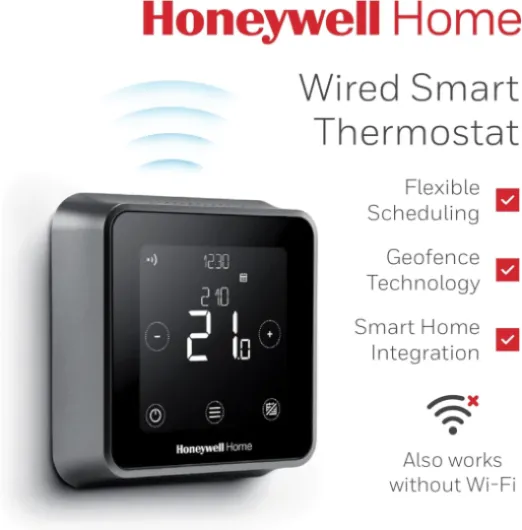
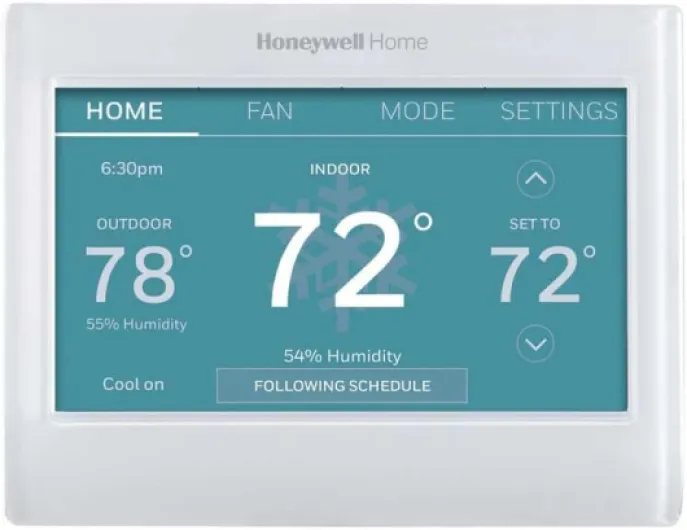
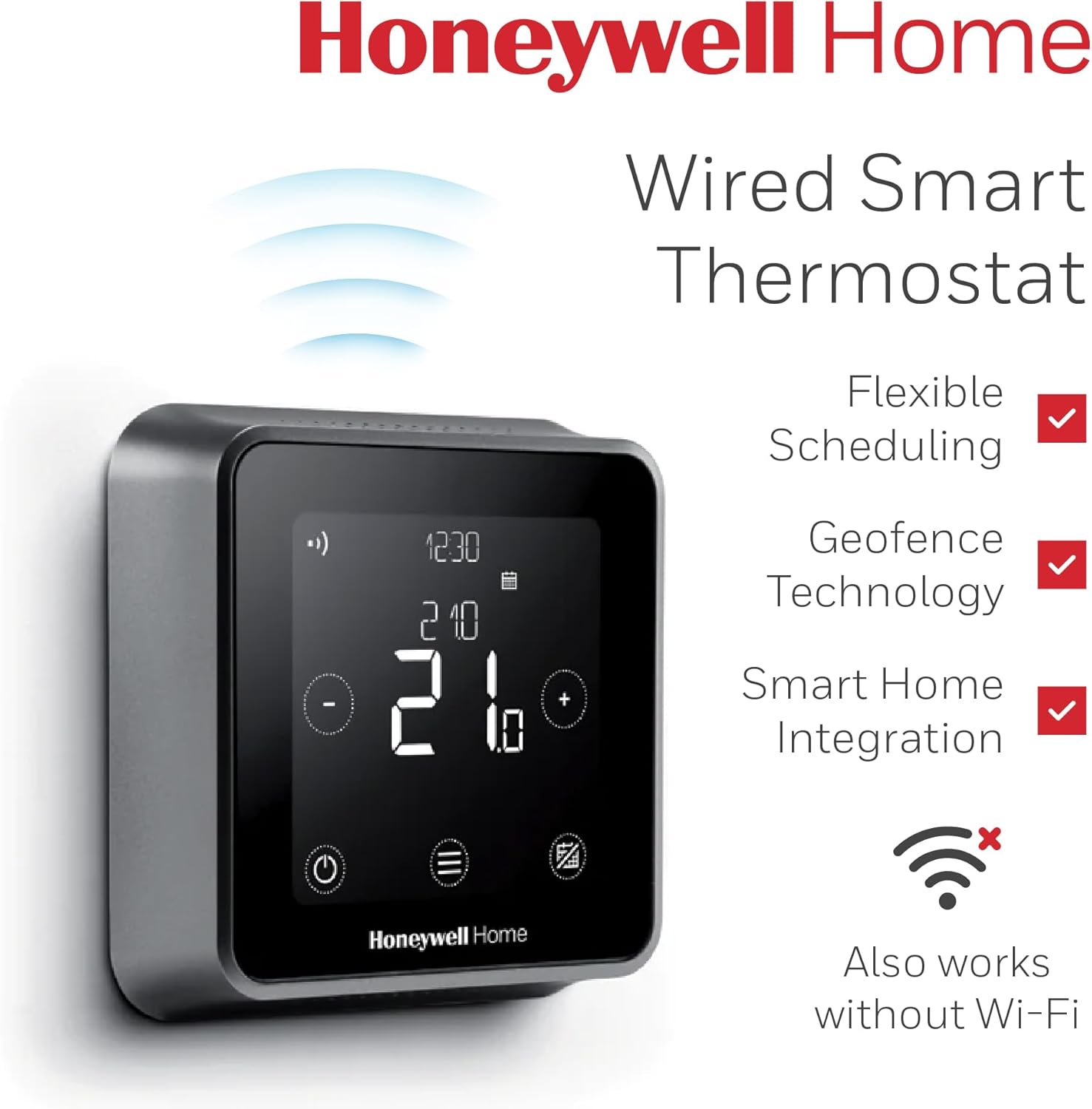
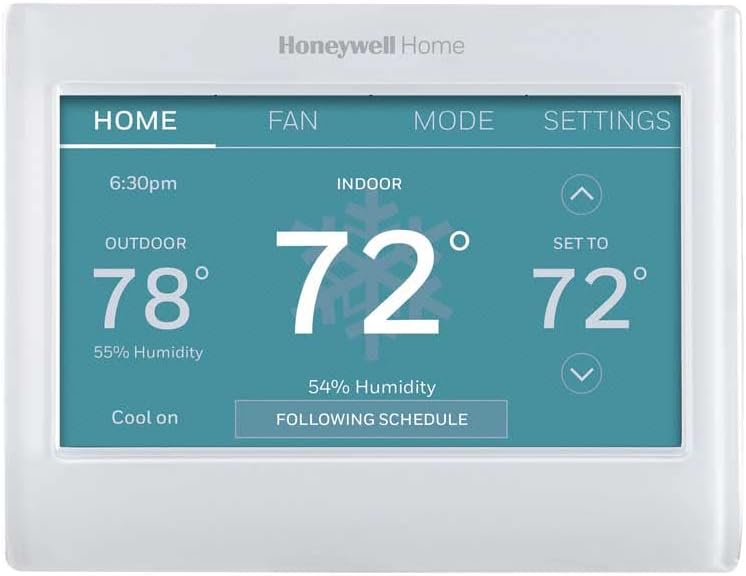
Honeywell thermostats, including models like the Honeywell Home RTH8560D, often prioritize reliability and clear comfort over flashy extras. Some Honeywell programmable thermostats skip wifi entirely, appealing to users who want a tested, stable thermostat without cloud dependence. Others add wifi and smart features while retaining the familiar Honeywell interface that many installers trust.
Shoppers who prefer to buy through amazon will find a wide range of thermostat amazon listings. These include basic programmable thermostat models, advanced smart thermostat premium units, and bundles with C wire adapters or sensors. Reading verified tested reviews and checking for energy star labels can help you separate marketing claims from real performance.
Practical buying checklist and how to choose the right model
Selecting among the best touchscreen programmable thermostats becomes easier with a structured checklist. Start by confirming HVAC compatibility, including whether a C wire exists and how many stages your system uses. Then decide whether you want a simple programmable thermostat or a fully connected smart thermostat with wifi.
Next, think about how you actually interact with technology in your home. If you already use amazon alexa, google nest speakers, or other amazon smart devices, prioritize thermostats compatible with those platforms. Voice control, app notifications, and remote access can make it easier to maintain energy saving habits.
Screen quality and interface design also matter more than many buyers expect. A bright, responsive touchscreen with clear comfort icons encourages you to adjust schedules and explore smart features. In contrast, a dim or cluttered display can push you to ignore the thermostat, undermining both comfort and energy goals.
Budget is another key factor, since prices for smart thermostats range widely. Basic programmable thermostats may cost around eighty dollars, while a thermostat premium model with learning, sensors, and energy star certification can reach two hundred fifty. Consider long term savings, potential utility rebates, and any thermostat amazon discounts when comparing options.
For deeper context on how a connected Honeywell thermostat can reshape comfort, see this guide to transforming home comfort with a Honeywell Z Wave thermostat. That kind of smart thermostat shows how integration, tested reliability, and thoughtful programming work together. Ultimately, the best touchscreen programmable thermostats are those you will actually use every day.
Key statistics on touchscreen programmable thermostats
- Average user rating of leading touchscreen programmable thermostats is about 4.5 stars across major review platforms.
- Effective use of programmable thermostats can reduce heating and cooling costs by roughly 10 percent for typical households.
- A well configured 7 day programmable schedule can save around 180 USD per year in energy expenses for an average home.
- The global market for touchscreen programmable thermostats is projected to grow at an estimated compound annual rate of 8 percent over the next several years.
Common questions about the best touchscreen programmable thermostats
How do touchscreen programmable thermostats actually save energy ?
They save energy by running your HVAC system only when needed and at more efficient temperatures. By using day programmable schedules, eco mode, and learning thermostat algorithms, they reduce unnecessary heating and cooling. Over time, these smart features can cut energy use by around ten percent without sacrificing comfort.
Do I need wifi for a programmable thermostat to be effective ?
Wifi is not strictly required for energy savings, because even non connected programmable thermostats can follow efficient schedules. However, wifi smart thermostats make it easier to adjust settings remotely, monitor temperature, and receive alerts. This convenience often leads to better long term use of energy saving features.
What is the role of a C wire in smart thermostat installation ?
The C wire provides continuous low voltage power to the thermostat, which many wifi smart thermostats require. Without a C wire, some devices may reboot, drop wifi, or limit smart features. A C wire adapter or compatible wiring upgrade usually resolves this issue.
Are smart thermostats compatible with all HVAC systems ?
Most smart thermostats support common single stage and many multi stage systems, but not every configuration. Heat pumps, high voltage systems, and older equipment may need specific compatible models or professional installation. Always use manufacturer compatibility tools or consult an HVAC technician before purchase.
Is paying more for a premium smart thermostat really worth it ?
Premium models add features like better touchscreens, learning algorithms, remote sensors, and deeper integrations with amazon alexa or google nest. For households that use these smart features actively, the extra cost can be offset by comfort and energy savings. If you prefer set and forget simplicity, a mid range programmable thermostat may offer better value.