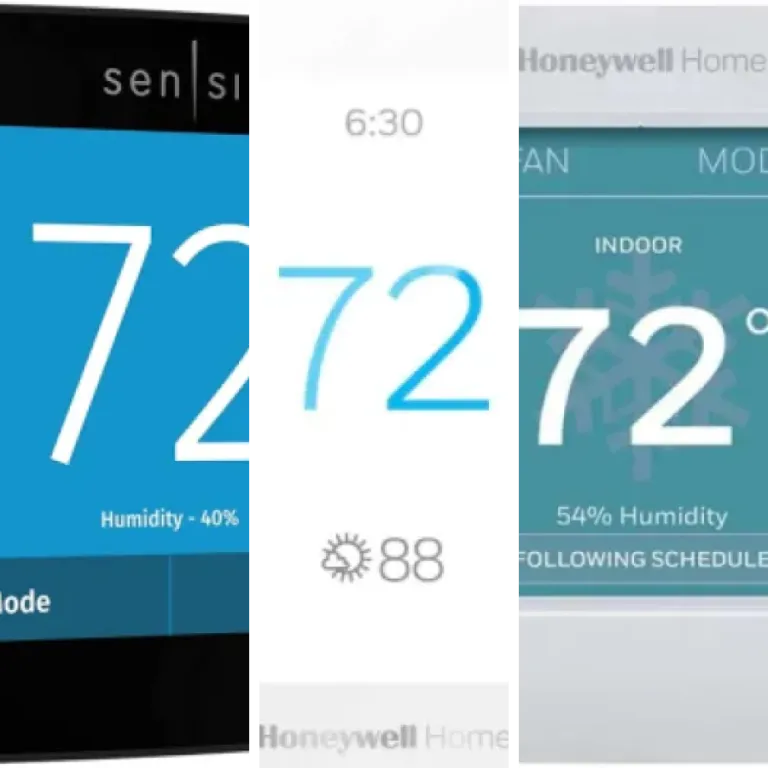
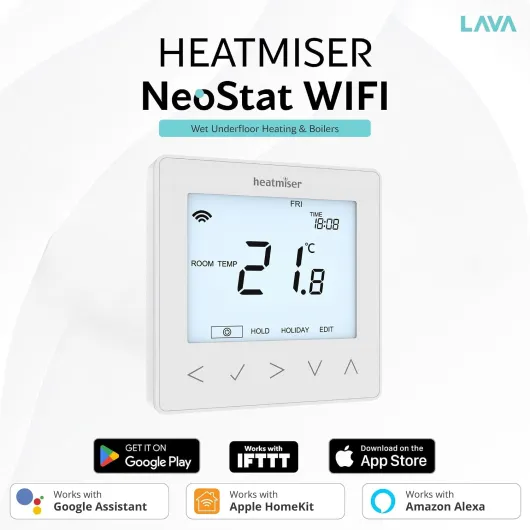
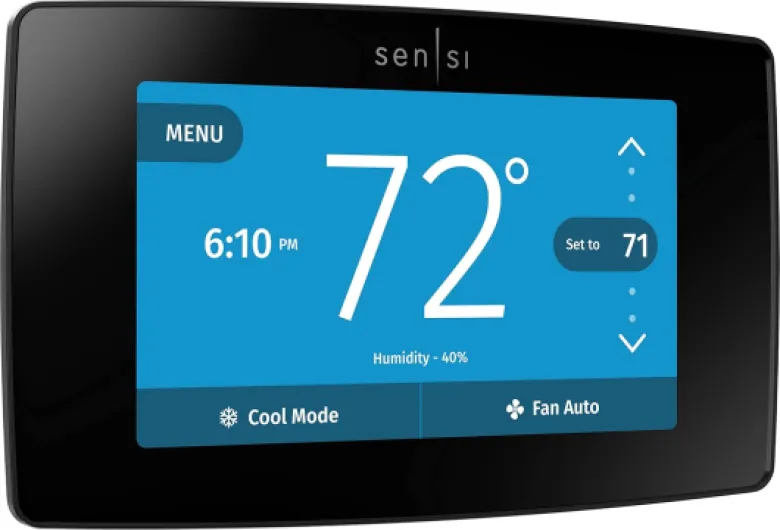
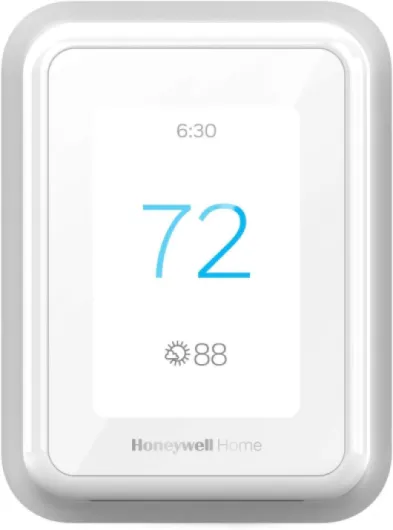
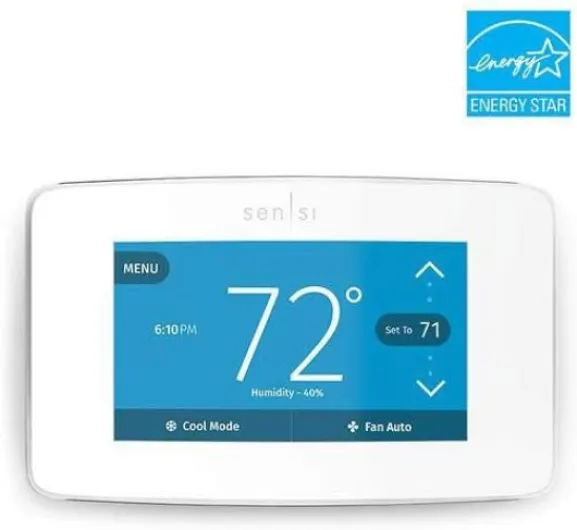
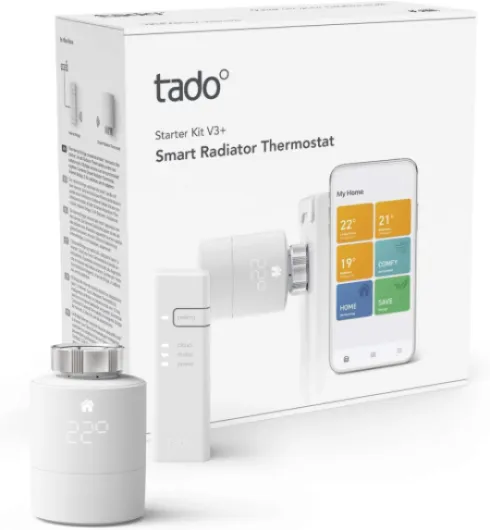
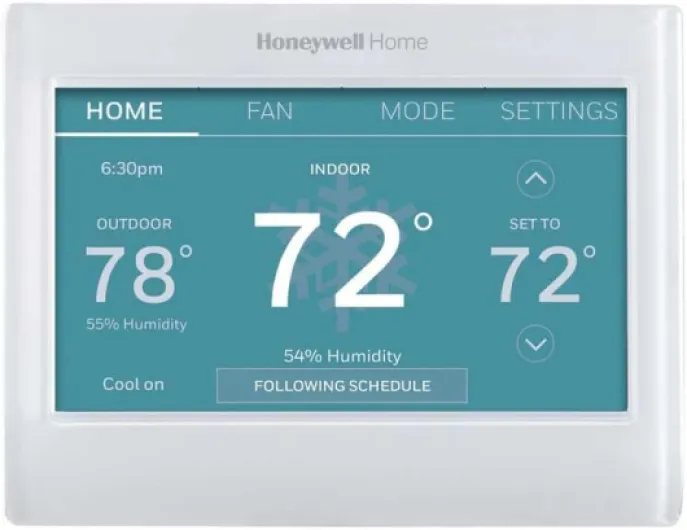
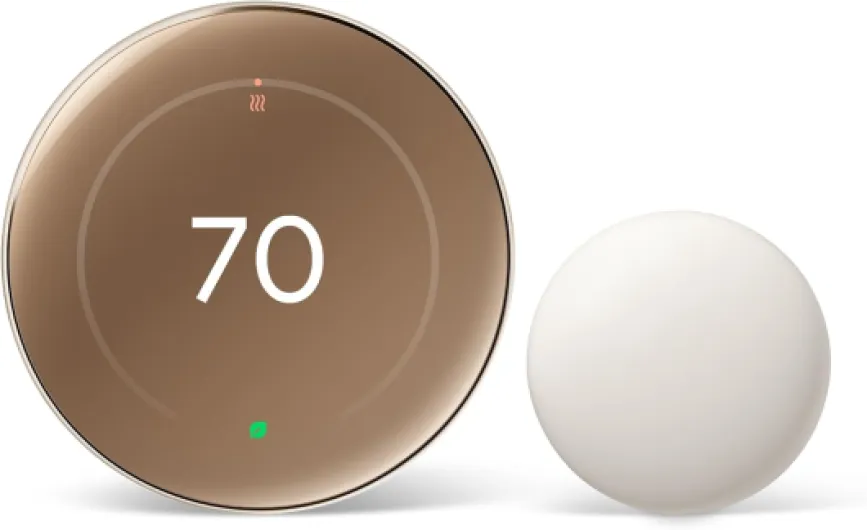
Key features that define the best smart thermostats compatible with Alexa
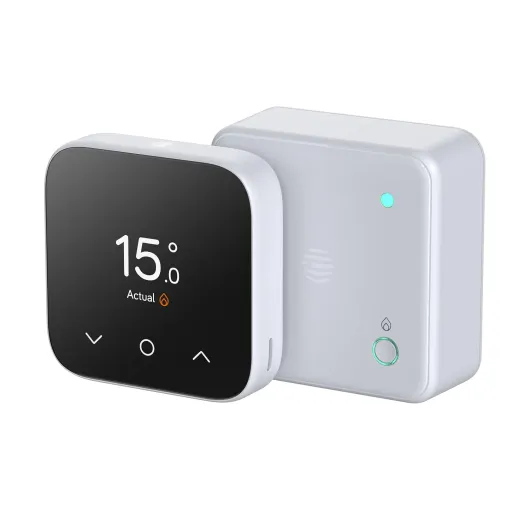
Several core features separate the best smart thermostats compatible with Alexa from basic connected thermostats. First, reliable voice control with Alexa and Amazon Alexa speakers must work quickly, even when the app is closed. Second, the thermostat and its sensors should read temperature accurately in both heating and air conditioning modes, because poor readings undermine every smart feature.
Smart thermostats that integrate with Alexa app routines allow you to adjust temperature alongside lighting, blinds, and security devices. For example, you can set a routine where the smart thermostat lowers heating when you say a specific voice command. This deeper control with Alexa and Amazon services makes a smart thermostat feel like part of a complete smart home, not just a standalone gadget.
Energy insights are another hallmark of the best smart thermostats compatible with Alexa for informed users. Ecobee smart models and Google Nest thermostats often provide monthly energy reports that highlight when heating or air conditioning consumed the most power. When you pair those insights with occupancy sensor data, you can refine schedules to save money and improve air comfort.
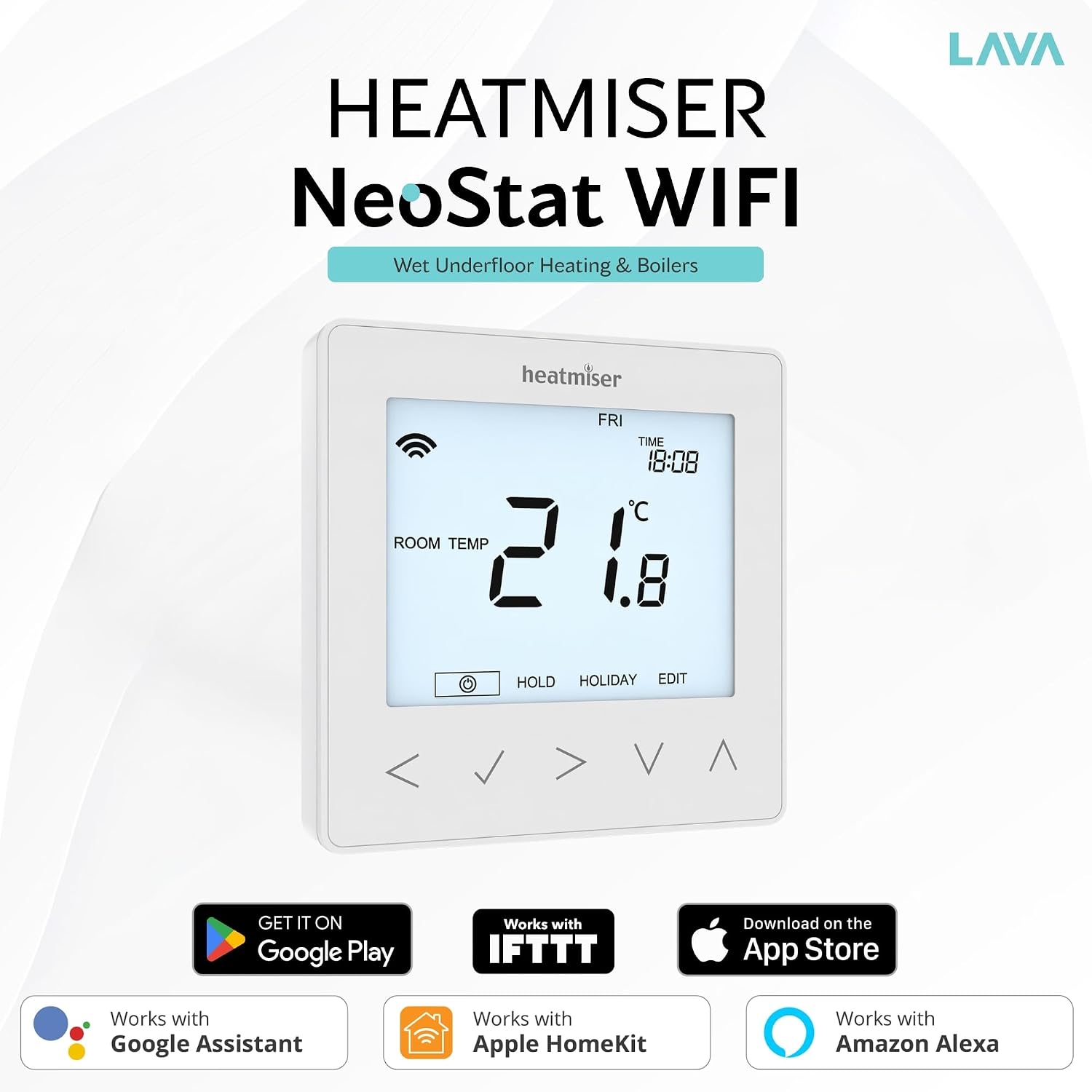
Connectivity options also matter for long term flexibility in a smart thermostat. Some thermostats support Wi Fi only, while others can work with Z Wave hubs, which is explained in detail in this guide to the benefits of Z Wave thermostats. Whether you choose Nest, Ecobee, Mysa, or another brand, ensure the thermostat is clearly labeled as compatible with Alexa app, Amazon smart speakers, and any other platforms you already use.
Comparing Nest, Ecobee, and Mysa smart thermostats with Alexa
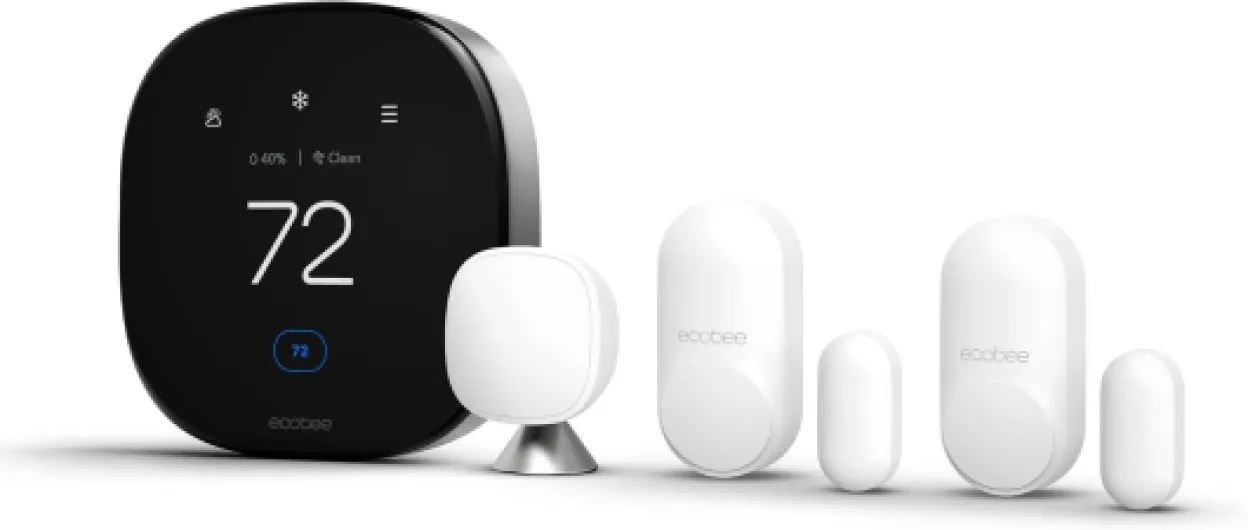
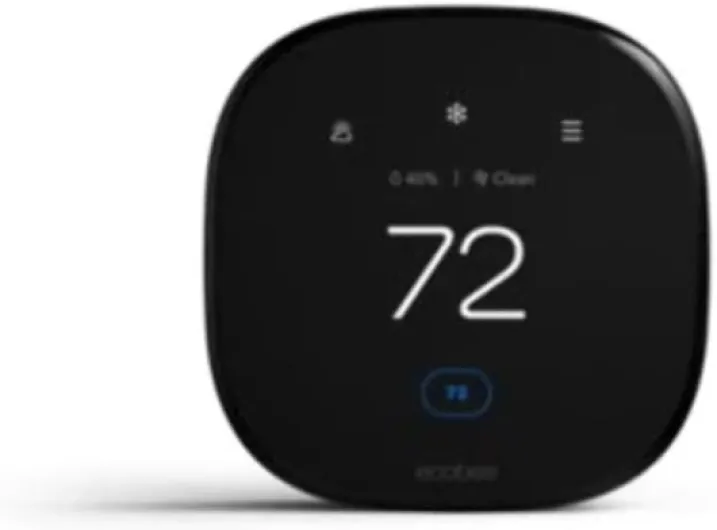
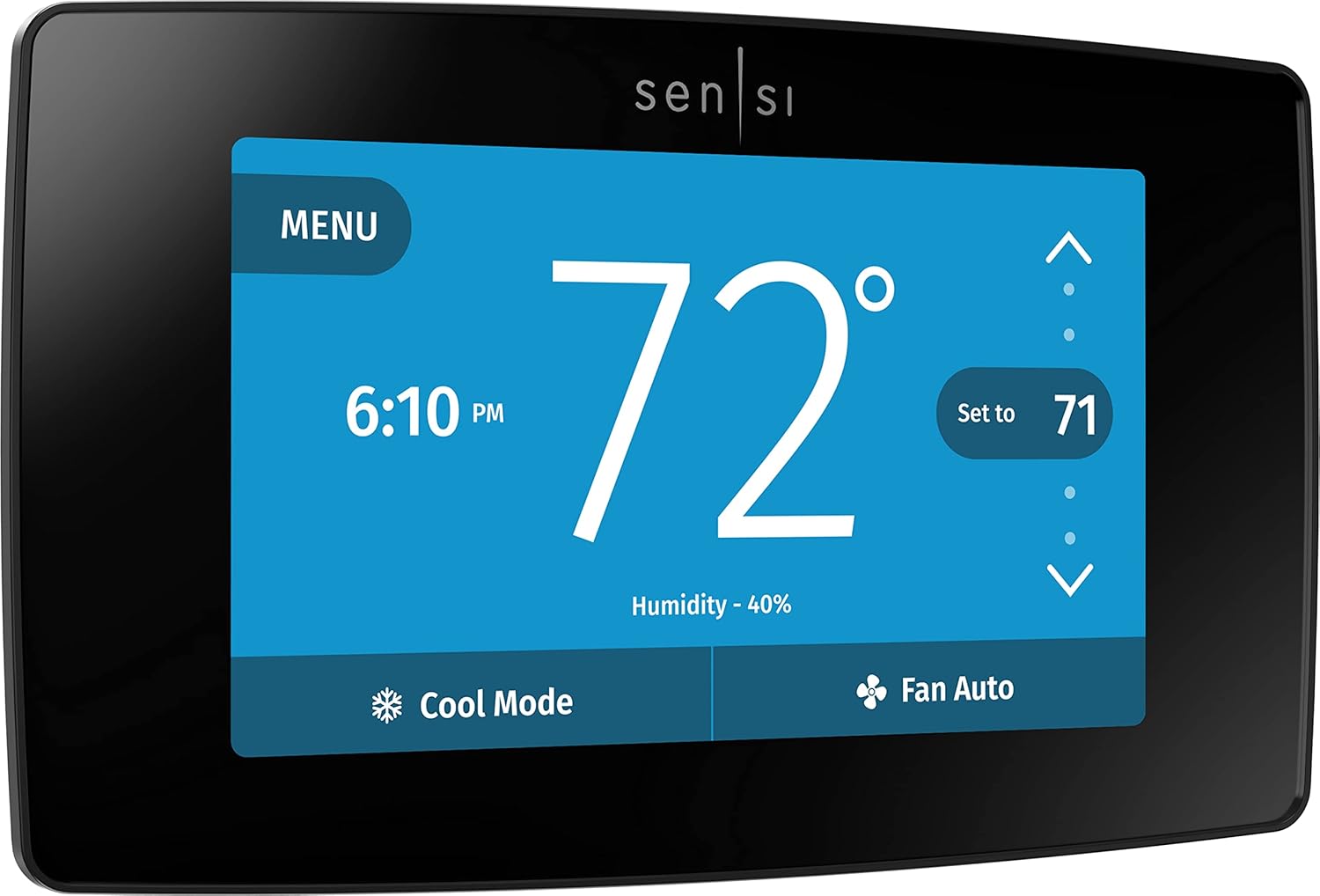
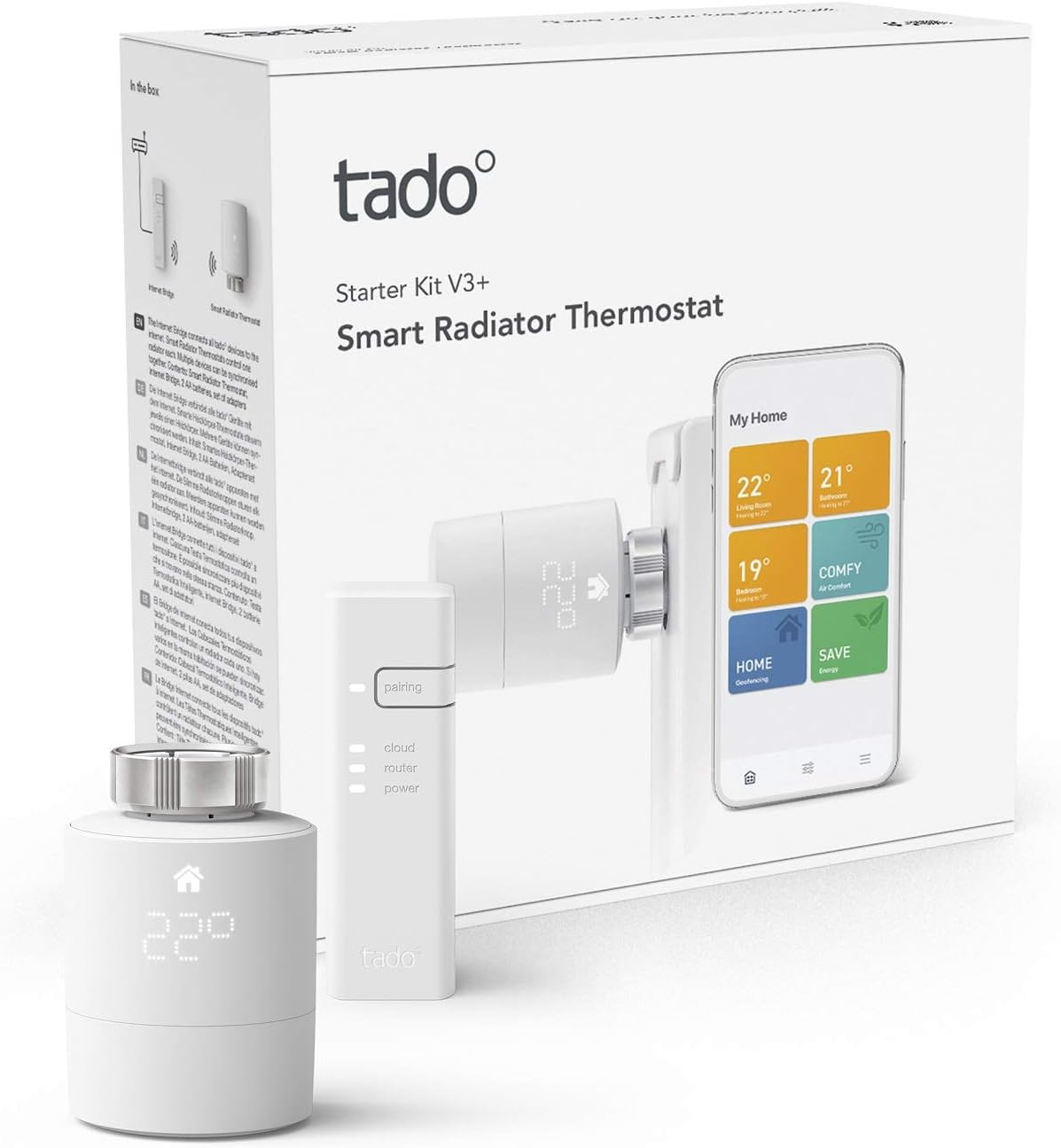
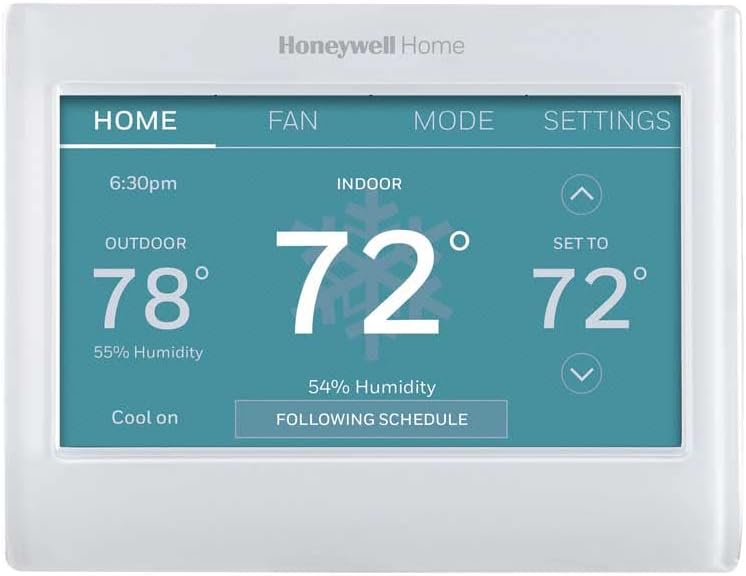
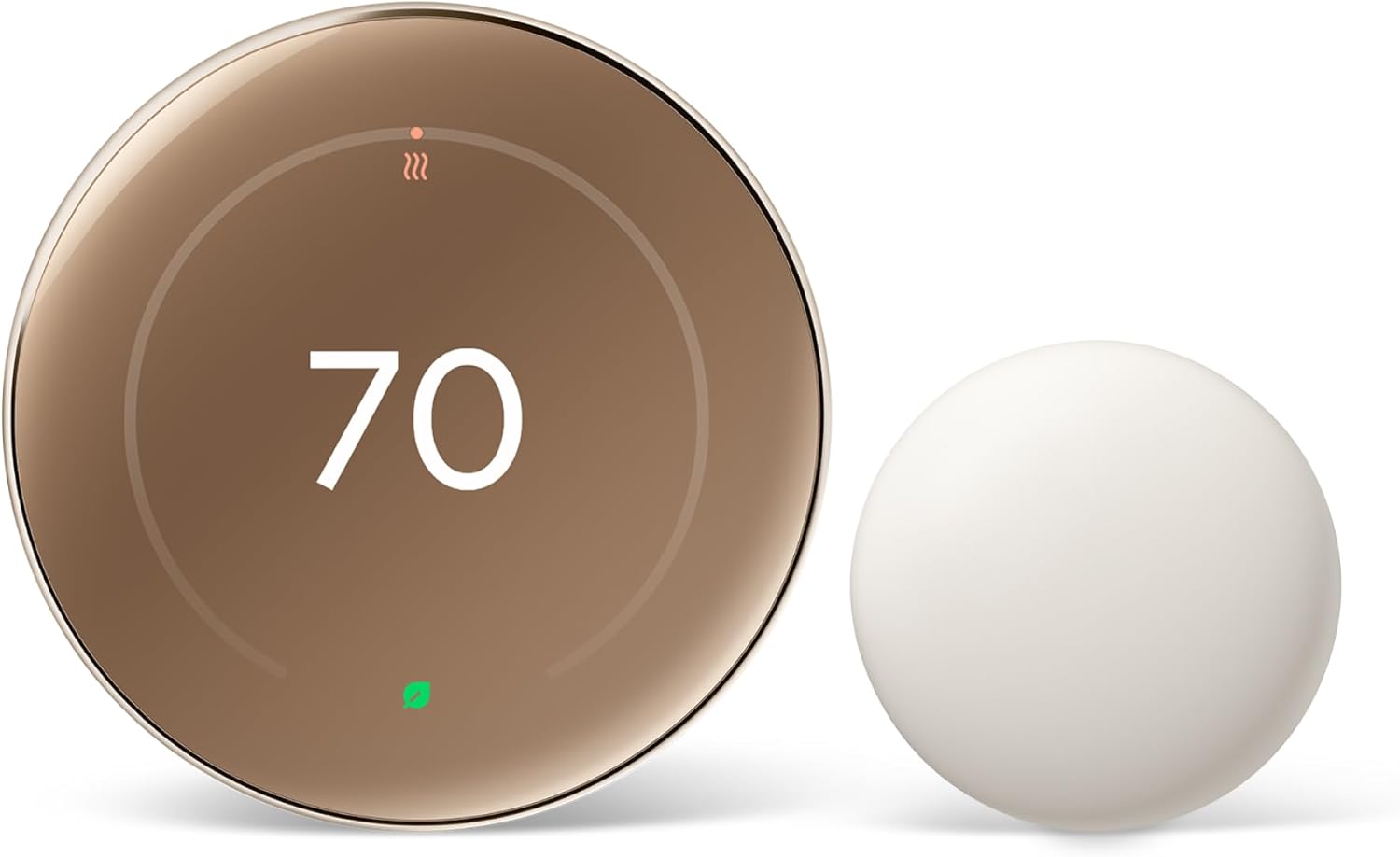
When evaluating the best smart thermostats compatible with Alexa, most people start with Google Nest, Ecobee smart models, and Mysa smart thermostats. A Nest learning thermostat focuses on automation, using algorithms to learn your preferred temperature patterns over time. Ecobee smart thermostat premium devices emphasize built in voice control, advanced sensors, and detailed energy savings analytics.
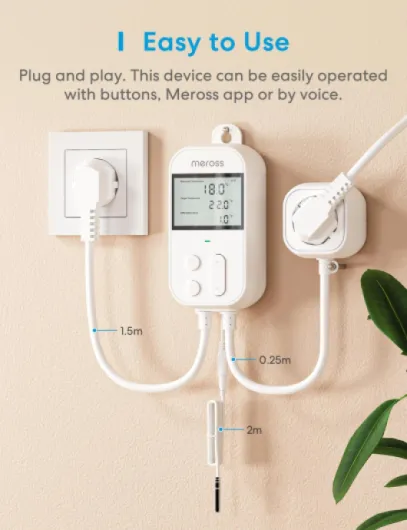
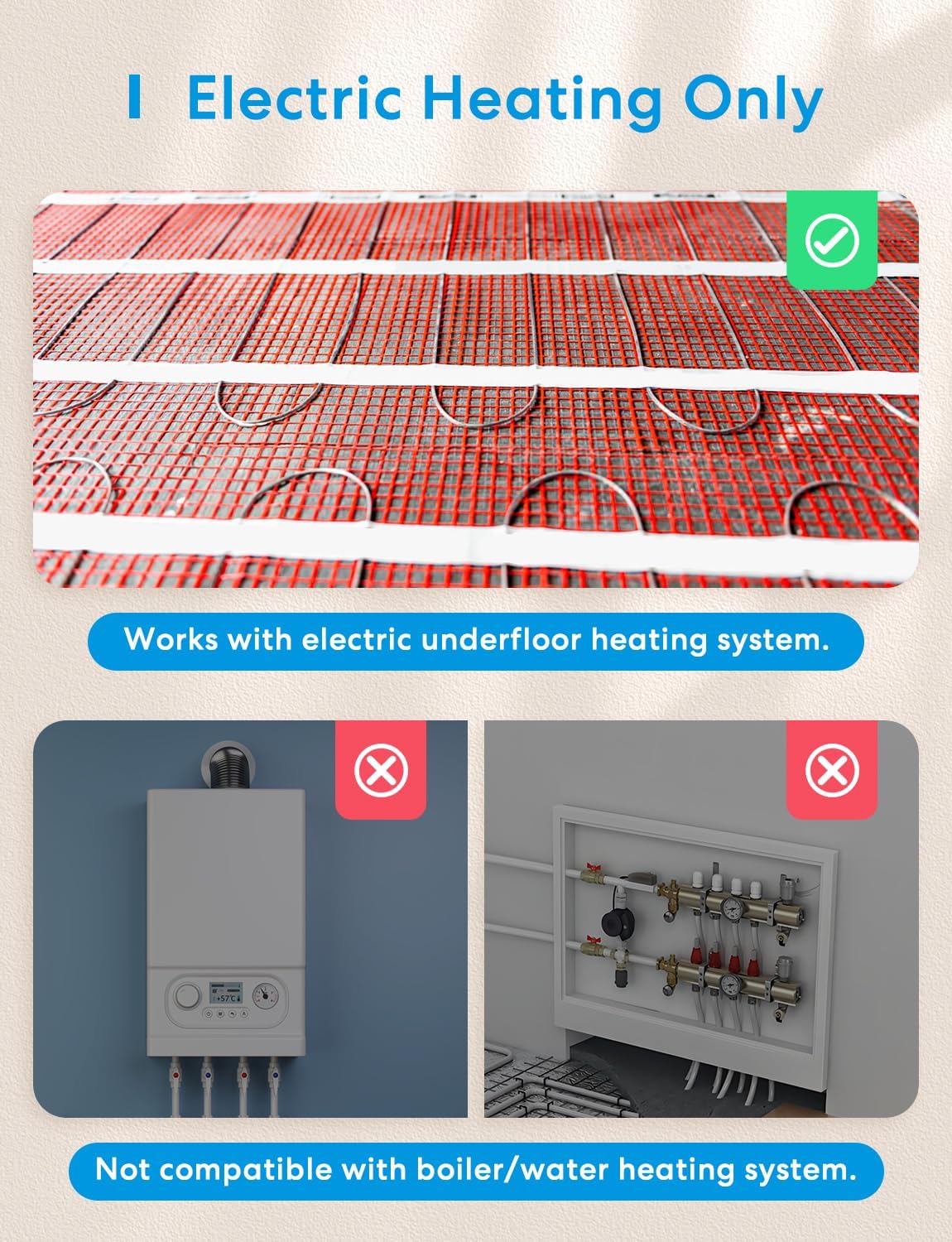
Mysa smart thermostats occupy a different niche in the thermostat market. They specialize in electric baseboard and in floor heating, which many traditional thermostats and some Nest thermostats cannot handle safely. If your home relies on this type of heating, a Mysa smart thermostat with Alexa compatibility can finally bring voice control and app based scheduling to systems that were previously manual.
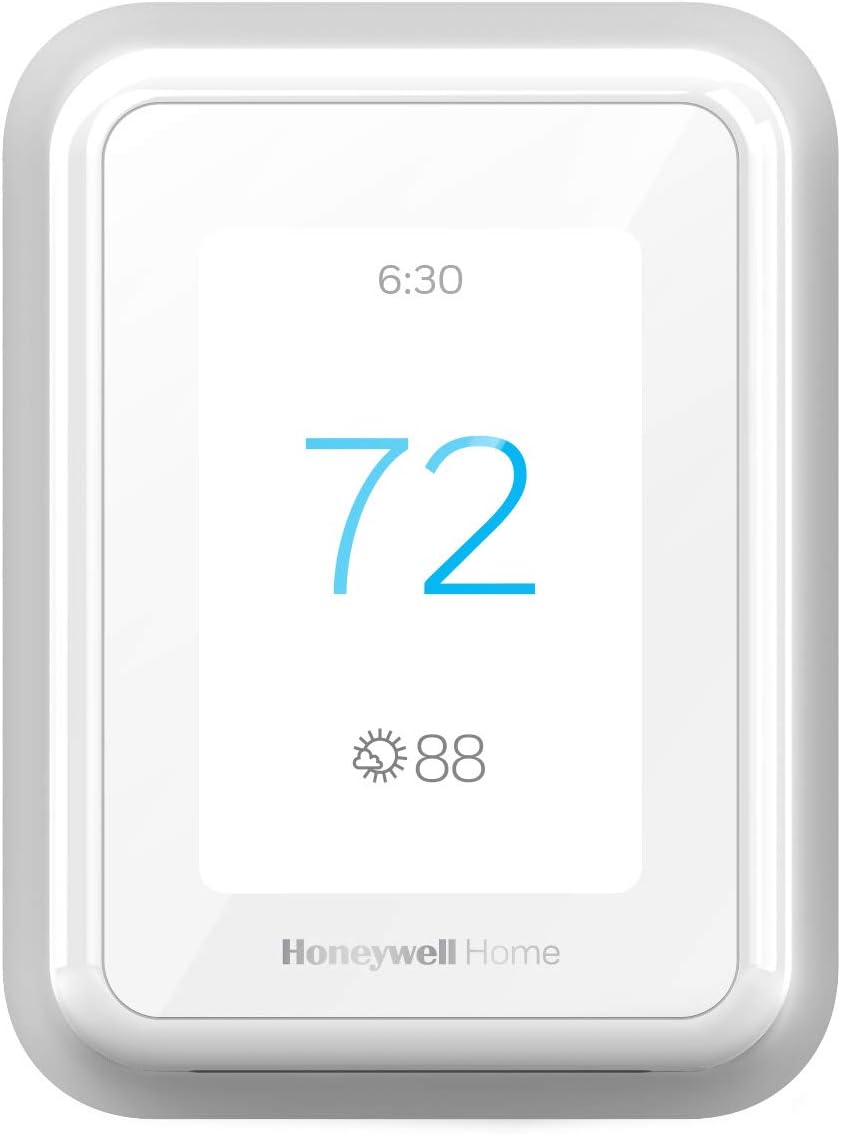
Google Nest thermostats and Nest learning models integrate tightly with the Google ecosystem, yet many also work well with Alexa and Amazon Alexa speakers. Ecobee smart thermostat premium units include a remote sensor in the box, which helps measure air temperature in a frequently used room. Both Nest and Ecobee thermostats support app control, energy reports, and the ability to adjust temperature remotely when you are away.
Some advanced users pair their smart thermostat with a Z Wave hub for broader automation. A dedicated hub can coordinate thermostats, sensors, and other devices, as explained in this overview of how a Z Wave hub can transform your smart thermostat experience. Whether you choose Nest, Ecobee, or Mysa, confirm that the thermostat supports both your heating system and your preferred voice control platform.
How sensors, zoning, and air quality shape real world comfort
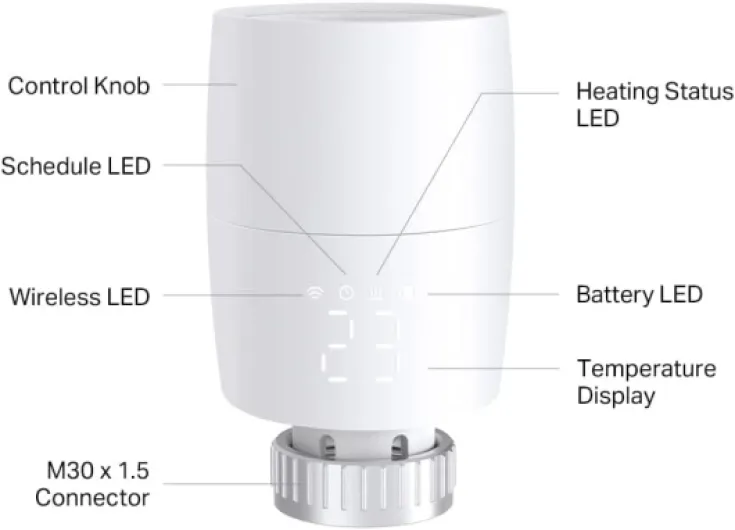
Behind every smart thermostat with Alexa support, sensors quietly drive most decisions. A thermostat sensor measures temperature at the wall, but additional room sensors help thermostats understand how heating and air conditioning affect different spaces. Ecobee smart thermostat premium models and some Nest thermostats use these sensors to reduce hot and cold spots, which improves comfort and can deliver energy savings.
When you place a sensor in a bedroom or living room, the smart thermostat can prioritize that area during key times. For example, you might set the thermostat to follow the bedroom sensor at night, then switch to a living room sensor during the day. This flexible control with sensors allows the thermostat to adjust temperature more intelligently than a single wall mounted reading ever could.
Air quality is another emerging focus among the best smart thermostats compatible with Alexa and other platforms. Some thermostats now track humidity, volatile organic compounds, or filter status to protect indoor air. When paired with voice control through Amazon Alexa or the Alexa app, you can ask the thermostat about air quality, then adjust temperature or ventilation accordingly.
Advanced zoning systems take this concept further by pairing multiple thermostats and dampers with a central controller. In such setups, each thermostat and sensor manages a specific zone, while Alexa and Amazon smart speakers provide unified voice control. For detailed reviews of how zoning and sensors perform in practice, resources such as this in depth smart thermostat review can help clarify strengths and trade offs.
Voice control, apps, and privacy when using Alexa with thermostats
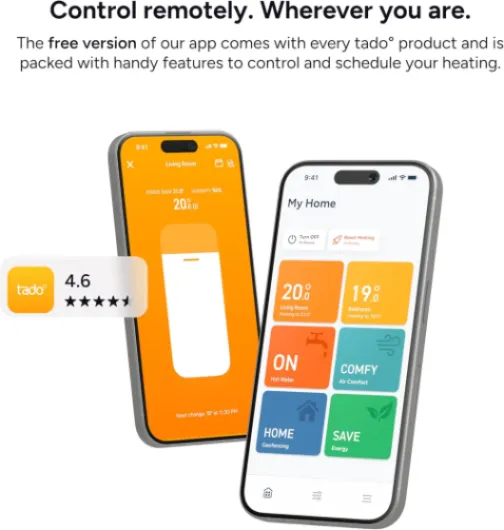
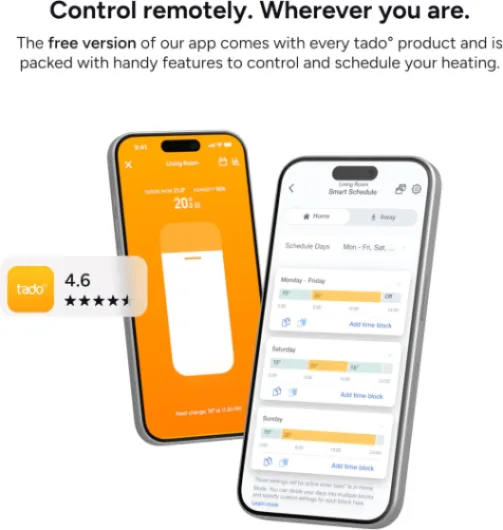
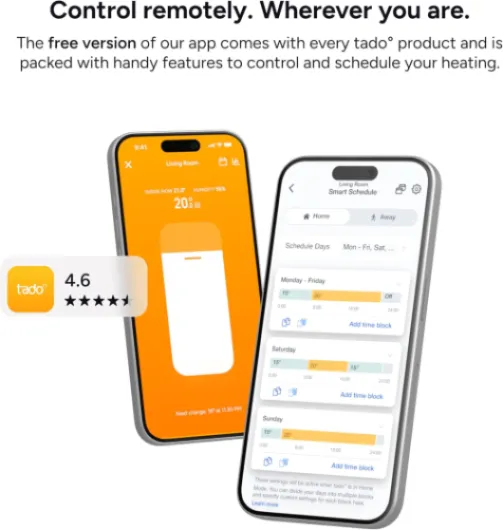
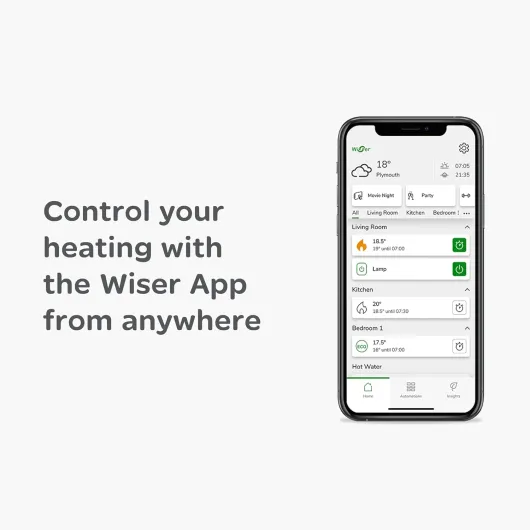
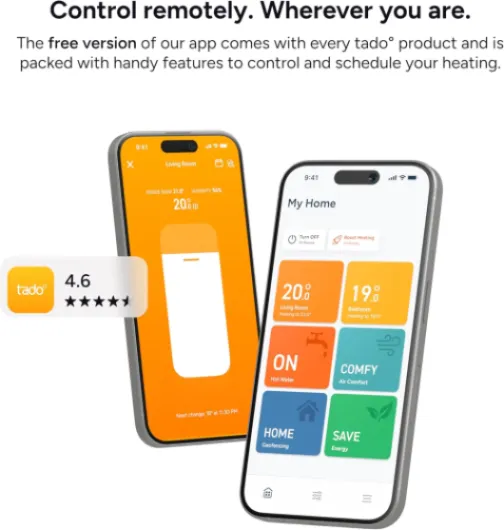
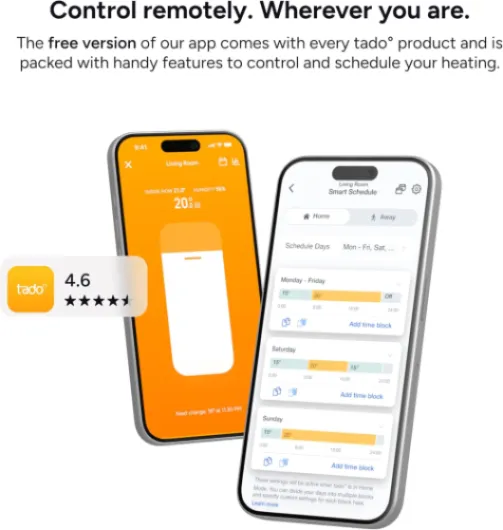
Voice control is often the headline feature for the best smart thermostats compatible with Alexa, yet the app experience matters just as much. A well designed app lets you set schedules, adjust temperature, and review energy data from anywhere with an internet connection. When the Alexa app and the thermostat app work smoothly together, you can choose between voice, touch, or automation depending on the situation.
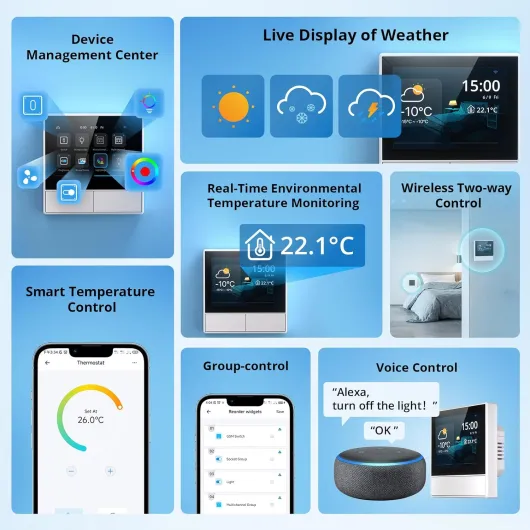
Amazon Alexa, Google Nest, and even some Alexa Apple integrations allow thermostats to respond to natural language commands. You might say, “Alexa, set the thermostat to 20 degrees,” or “Alexa, lower the heating in the living room.” Over time, these simple phrases replace manual adjustments, and the smart thermostat quietly optimizes energy use in the background.
However, people seeking information about smart thermostats with Alexa often raise privacy questions. Any thermostat that connects to Amazon, Google, or Apple services will transmit some data about temperature, schedules, and device usage. Reputable brands such as Nest, Ecobee, and Mysa publish clear privacy policies, and users should review permissions within the Alexa app and the thermostat app to maintain control.
Retailers like Best Buy and major online platforms provide transparency labels that summarize how smart thermostats handle data. When comparing the best smart thermostats compatible with Alexa, look for options that offer local control where possible and strong encryption. Balancing convenience, energy savings, and privacy ensures your smart thermostat remains an asset rather than a concern.
Buying tips, installation, and long term value for smart thermostats
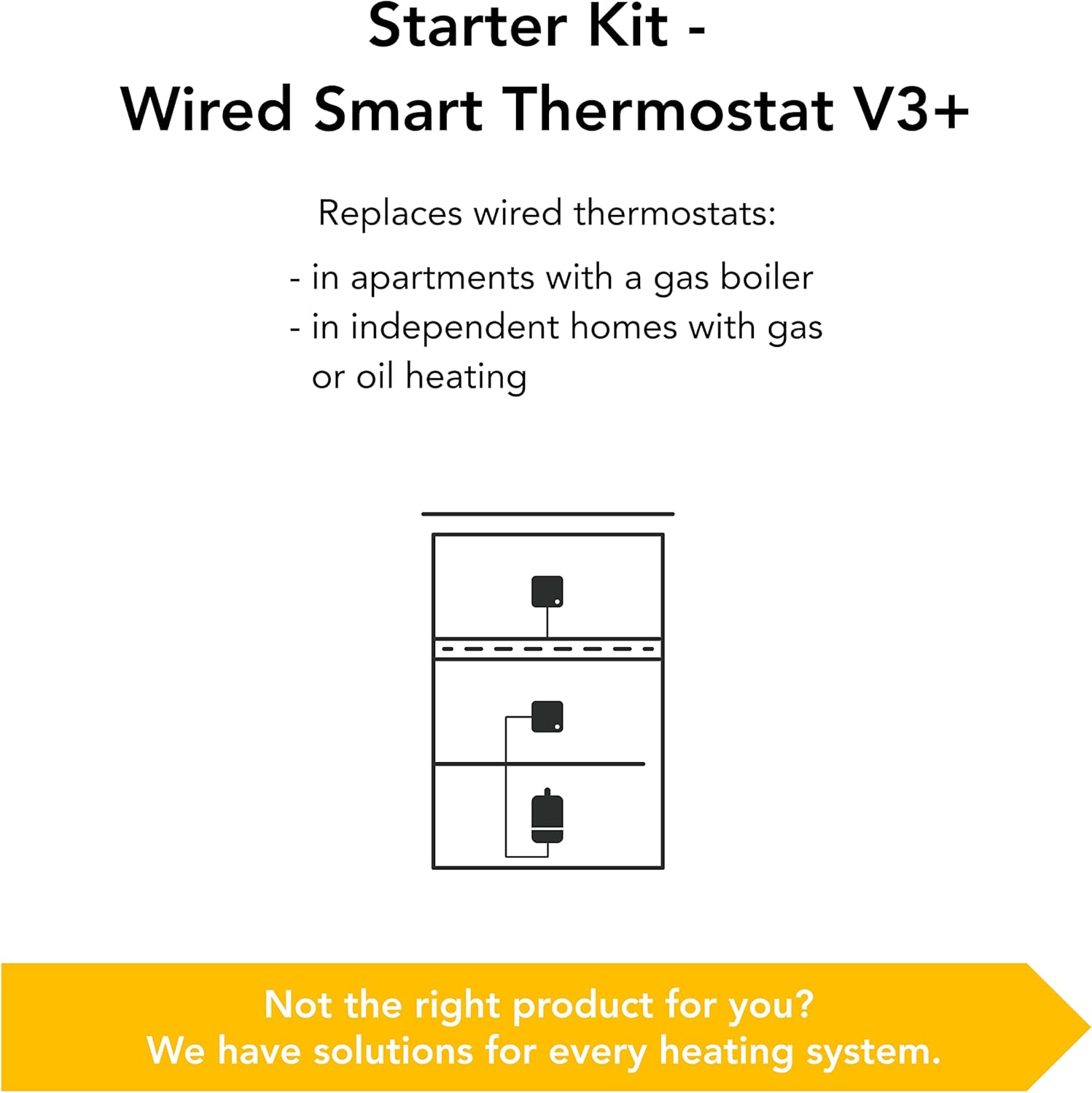
Choosing among the best smart thermostats compatible with Alexa starts with your heating and cooling system. Check whether your current thermostat wiring includes a common wire, because many Nest, Ecobee smart, and Mysa smart thermostats require it for stable power. If your system lacks this wire, some thermostats include adapters, while others may need professional installation to avoid reliability issues.
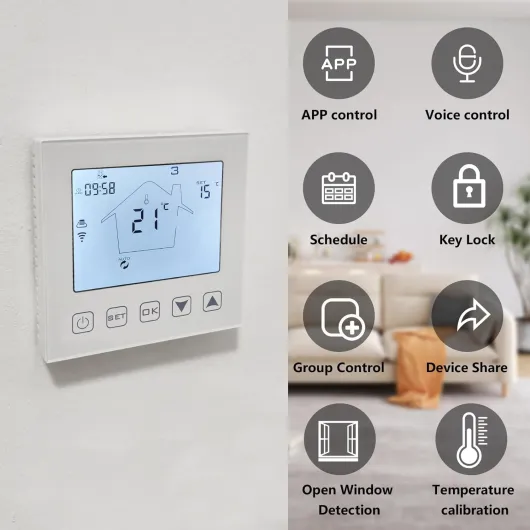
Next, consider how you actually use heating and air conditioning throughout the year. If your schedule is predictable, a Nest learning thermostat or similar learning thermostat can automatically refine temperature settings over time. If your routine is irregular, a thermostat with strong app control and responsive sensors may provide better comfort and energy savings.
Price and long term value also play a central role in this decision. While premium thermostats from Nest, Ecobee, and Mysa cost more upfront, they often deliver measurable energy savings that can help you save money over several seasons. Retailers such as Best Buy and major online stores sometimes offer rebates, especially when utilities promote smart thermostats for demand response programs.
Finally, evaluate ecosystem fit before committing to any thermostat with Alexa compatibility. If your home already relies heavily on Amazon Alexa, the Alexa app, and Amazon smart speakers, prioritize thermostats that advertise deep integration with Alexa and possibly Alexa Apple bridges. A carefully chosen smart thermostat, supported by accurate sensors and thoughtful schedules, can provide reliable comfort, better air quality, and meaningful control over household energy use.
Key statistics about smart thermostats and Alexa enabled homes
- Households that install a smart thermostat and use voice control with Alexa or similar assistants typically report double digit percentage reductions in heating and cooling runtime.
- In many regions, utility rebate programs cover a significant portion of the purchase price for qualifying smart thermostats compatible with Alexa and other major platforms.
- Surveys of smart home users indicate that thermostats, lighting, and speakers are the three most commonly linked device categories within Amazon Alexa ecosystems.
- Energy audits frequently show that optimizing thermostat schedules and using occupancy sensors can cut annual heating and cooling energy consumption by a substantial margin.
- Retail data from large electronics chains such as Best Buy reveal that smart thermostats remain among the fastest growing categories in connected home products.
Common questions about the best smart thermostats compatible with Alexa
Are all smart thermostats compatible with Alexa and Amazon speakers ?
Not all smart thermostats work with Alexa and Amazon Alexa speakers, even if they connect to Wi Fi. Always check whether the thermostat is explicitly labeled as compatible with Alexa app and Amazon smart devices. Leading brands such as Nest, Ecobee, and Mysa usually highlight this compatibility clearly on packaging and product pages.
Can a smart thermostat really help me save money on energy bills ?
A well configured smart thermostat can deliver meaningful energy savings by reducing unnecessary heating and air conditioning. Features such as learning thermostat algorithms, occupancy sensors, and remote app control help avoid wasting energy when nobody is home. Over time, these savings can offset much of the initial cost of the thermostat, especially when combined with utility rebates.
Do I need professional installation for a smart thermostat with Alexa support ?
Many homeowners can install a smart thermostat themselves if the wiring is straightforward and a common wire is present. However, complex systems, heat pumps, or older wiring may justify hiring a professional to ensure the thermostat, sensors, and heating equipment work safely. When in doubt, consult the manufacturer’s compatibility checker or seek advice from a qualified technician.
What is the difference between Nest learning thermostat and other Nest thermostats ?
The Nest learning thermostat is designed to learn your schedule automatically and adjust temperature settings over time. Other Nest thermostats may rely more on manual schedules set through the app or the thermostat interface. Both types can integrate with Alexa and Google Nest ecosystems, but the learning model focuses more heavily on automation.
How do I choose between Ecobee smart thermostat premium and a Mysa smart thermostat ?
The choice depends mainly on your heating system and feature priorities. Ecobee smart thermostat premium models suit many forced air and heat pump systems, offering built in voice control, advanced sensors, and detailed energy reports. Mysa smart thermostats are tailored for electric baseboard or in floor heating, bringing app control and Alexa compatibility to systems that traditional thermostats often cannot manage effectively.