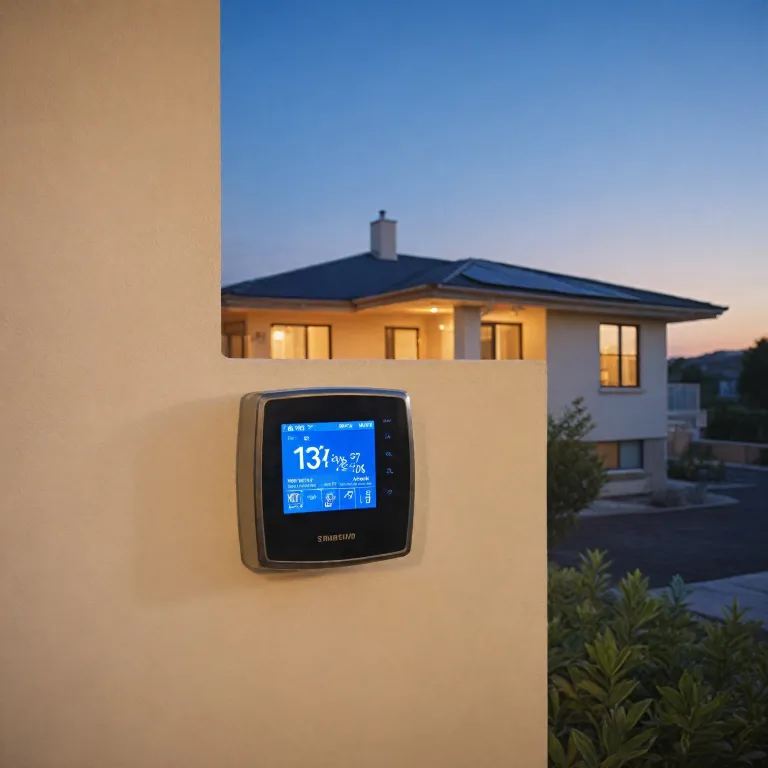
Smart thermostats at the center of building electrification news
Smart thermostats now sit at the heart of building electrification news. As homes shift from gas to electric heating, these connected devices quietly manage energy flows and comfort, turning every building into a more responsive part of the power system. They translate complex electrification policies into everyday choices that customers can actually feel and understand.
In many regions, especially california, regulators push building electrification so that electric appliances and heat pumps replace fossil fuel boilers and traditional gas furnaces. Smart thermostats help households find the right balance between comfort, cost, and lower greenhouse gas emissions by coordinating heating schedules with renewable energy availability. This makes each building more energy efficient while supporting the wider state plans for cleaner power and reduced industrial heat pollution.
Because they track energy use in real time, smart thermostats reveal how much power different appliances consume and how quickly heating systems respond. When paired with efficient electric heat pumps, they can reduce energy waste by preheating or precooling when electricity is cheaper or when solar battery systems are full. This kind of intelligent control increasingly appears in building electrification news because it shows how digital tools can reduce energy bills without sacrificing comfort.
For policy makers and every power company, these devices provide anonymized resources that show how customers actually use heat and cooling. The data helps refine long term electrification plans, from sizing battery storage to designing incentives for electric vehicles and electric vehicle charging at home. In this way, smart thermostats quietly connect individual households to the broader renewable energy transition and to the evolving gas electric mix in every state.
How smart thermostats manage heat, cost, and comfort
Smart thermostats manage heat and cooling with far more precision than older gas or electric controls. They learn patterns, anticipate when a building will be occupied, and adjust heating or cooling to reduce energy use while keeping rooms comfortable. This learning process is central to many building electrification news stories because it shows how software can make heating systems more energy efficient without major hardware changes.
When paired with heat pumps or traditional electric appliances, these thermostats can stage heating in smaller steps, avoiding sudden power spikes that strain the grid. They can also coordinate with water heaters, especially efficient electric models, to shift hot water production to times when renewable energy is abundant and energy bills are lower. In california and other regions with ambitious electrification goals, utilities increasingly offer tariffs that reward customers who allow this kind of smart control.
For households, the main question remains simple ; will this technology reduce cost and improve comfort. Smart thermostats answer by providing clear dashboards that show how much energy different heating modes use and how changes in set points affect monthly bills. Over the long term, this transparency helps customers find the most efficient electric settings for their building and encourages upgrades to heat pumps or other low greenhouse gas appliances.
People seeking information about thermostat options can review an in depth guide to the variety of thermostats for a home. These resources explain how smart controls interact with gas electric hybrid systems, battery storage, and even solar battery installations. As building electrification news evolves, such guidance will remain essential for translating technical plans into practical decisions for everyday customers.
Integration with heat pumps, water heaters, and electric appliances
Smart thermostats become even more powerful when integrated with heat pumps, water heaters, and other electric appliances. In a fully electrified building, the thermostat can coordinate heating, cooling, and sometimes ventilation to reduce energy peaks and smooth overall power demand. This orchestration is increasingly highlighted in building electrification news because it supports both household comfort and grid stability.
Heat pump systems, including air source and ground source heat pumps, respond well to gradual adjustments that maintain steady heat rather than frequent on off cycles. Smart thermostats can manage these heat pumps to keep indoor temperatures stable while using less energy and lowering greenhouse gas emissions. When combined with efficient electric water heaters, they can schedule hot water production to align with low cost tariffs or high renewable energy output.
Some advanced models also coordinate with battery storage and solar battery systems installed in the same building. They can preheat or precool spaces when solar power is abundant, then reduce electric heating or cooling when the sun sets to preserve stored energy. This approach helps reduce energy drawn from the grid at peak times, which in turn can reduce energy bills and support long term electrification plans at the state level.
For readers comparing specific devices, a detailed review of the TH6220WF2006 smart thermostat features illustrates how integration works in practice. These case studies show how a power company might design tariffs that reward customers who allow automated control of electric appliances and water heaters. As building electrification news continues to emphasize efficient electric solutions, such integrated systems will likely become the norm in both single buildings and larger building portfolios.
Smart thermostats, grid flexibility, and renewable energy
One of the most important roles of smart thermostats in building electrification news involves grid flexibility. By subtly shifting when a building uses heat or cooling, these devices help balance supply and demand as renewable energy grows. This flexibility becomes crucial when wind and solar output fluctuate, affecting how much power is available at any given moment.
In california and other regions with high renewable energy penetration, utilities increasingly view smart thermostats as low cost resources for demand response. During peak periods, a power company can send signals that slightly adjust heating or cooling set points, reducing strain on the grid without noticeable discomfort for customers. When many buildings participate, the combined effect can reduce energy demand enough to avoid firing up additional fossil fuel plants.
Smart thermostats also interact with electric vehicles and electric vehicle charging schedules, especially when households own both EVs and heat pumps. Coordinated control can ensure that charging, heating, and water heaters do not all draw maximum power simultaneously, which would increase cost and stress local networks. Instead, the system staggers electric loads, using battery storage or solar battery output when available to keep energy bills manageable.
For people following building electrification news, these developments show how everyday devices contribute to large scale greenhouse gas reductions. Smart thermostats, combined with efficient electric appliances and heat pumps, help reduce energy waste while supporting renewable energy integration. Over the long term, this kind of flexible control will be essential for any state that plans to phase down gas electric generation and scale up cleaner industrial heat solutions.
Costs, incentives, and what customers should evaluate
When evaluating smart thermostats in the context of building electrification news, customers naturally focus on cost. Upfront prices vary, but many power company programs and state incentives reduce the effective cost for households that enroll in demand response or energy efficiency schemes. Over time, savings on energy bills can offset the initial investment, especially in buildings that use electric heating or heat pumps extensively.
People should examine whether a thermostat supports their existing heating system, including gas, electric, or hybrid gas electric configurations. Compatibility with heat pumps, efficient electric water heaters, and other electric appliances is essential for maximizing benefits and reducing greenhouse gas emissions. In california and other proactive states, program websites often help customers find compatible devices and explain how incentives align with broader building electrification plans.
Another key factor involves integration with battery storage, solar battery systems, and possibly electric vehicles parked at home. A thermostat that can coordinate with these resources will help reduce energy drawn from the grid during expensive peak hours, which can significantly reduce energy bills. Over the long term, this coordination supports both household budgets and the stability of renewable energy heavy grids.
Midway through their research, many readers appreciate detailed product reviews such as this analysis of a learning smart thermostat with advanced energy saving features. Such reviews show how real customers use these devices to reduce energy, manage heat pumps, and coordinate with other efficient electric technologies. As building electrification news continues to highlight new models, careful comparison will remain essential for making informed, long term choices.
Future directions in building electrification and smart controls
Looking ahead, building electrification news increasingly focuses on how smart controls will evolve. Smart thermostats are expected to integrate more deeply with building management systems, electric appliances, and even neighborhood level energy platforms. This evolution will help every building act as a flexible node that supports renewable energy while maintaining comfortable indoor heat and cooling.
Emerging standards aim to ensure that thermostats, heat pumps, water heaters, and battery storage systems can communicate securely regardless of brand. This interoperability will allow customers to mix and match efficient electric devices while still benefiting from coordinated control and reduced energy bills. In california and other leading state markets, regulators already encourage such open standards to accelerate building electrification and reduce greenhouse gas emissions.
Another trend involves using aggregated thermostat data, with strong privacy protections, to improve planning for industrial heat decarbonization and local grid upgrades. By understanding when buildings typically use heat, cooling, and electric vehicles, planners can size renewable energy and solar battery installations more accurately. This data driven approach helps reduce energy waste and supports long term investments in both power infrastructure and building retrofits.
For households, the practical message remains clear ; smart thermostats will continue to play a central role in managing cost, comfort, and energy efficiency. As building electrification news highlights new tariffs, incentives, and technologies, customers who engage early will be better positioned to benefit. Whether a building relies mainly on heat pumps, electric appliances, or a gas electric mix, intelligent controls will be key to unlocking efficient electric performance and lower emissions.
Key statistics on smart thermostats and building electrification
- Adoption of smart thermostats in residential buildings has grown rapidly in regions pursuing aggressive building electrification policies.
- Households that pair smart thermostats with heat pumps and efficient electric water heaters often report double digit percentage reductions in annual energy bills.
- Demand response programs using smart thermostats can collectively reduce peak electric load enough to defer or avoid new fossil fuel generation capacity.
- In markets with high renewable energy penetration, coordinated thermostat control significantly improves the utilization of wind, solar, and battery storage resources.
- Data from smart thermostats increasingly informs state level plans for reducing greenhouse gas emissions from the building sector.
Questions people also ask about smart thermostats
How does a smart thermostat help reduce energy bills in an electrified home ?
A smart thermostat reduces energy bills by optimizing when and how heating and cooling systems operate. In an electrified building with heat pumps and efficient electric appliances, it can preheat or precool during low tariff periods and reduce output during peaks. Over time, this control strategy lowers total energy use while maintaining comfort.
Are smart thermostats compatible with both gas and electric heating systems ?
Most modern smart thermostats are designed to work with gas, electric, and hybrid gas electric systems. Compatibility depends on wiring, control signals, and the specific heating equipment installed in the building. Checking manufacturer documentation and utility program guidance helps customers find suitable models.
What role do smart thermostats play in building electrification plans ?
Smart thermostats act as control hubs that coordinate heat pumps, water heaters, and other electric appliances. They enable demand response, support renewable energy integration, and provide data that informs state level building electrification strategies. This makes them a key tool for reducing greenhouse gas emissions from the building sector.
Can smart thermostats work with battery storage and solar systems ?
Many advanced smart thermostats can integrate with battery storage and solar battery systems. They adjust heating and cooling schedules to use on site renewable energy when available and reduce grid consumption during expensive periods. This integration improves both energy efficiency and the financial return on clean energy investments.
What should customers evaluate before installing a smart thermostat ?
Customers should evaluate system compatibility, available incentives, and integration with other devices such as heat pumps, water heaters, and electric vehicles. They should also consider data privacy policies and the quality of software support from the company. These factors together determine the long term value and reliability of the installation.