How a C wire changes installation and daily control
For many readers, the main question is whether installing the best smart thermostats with C wire required is actually difficult. In most central heating and cooling systems, the thermostat wire bundle already includes a spare conductor that can serve as the common wire, so the work often involves labeling and moving wires rather than opening walls. When you follow the manufacturer’s wiring diagram carefully, a smart thermostat with a C connection usually takes less than an hour to install for a typical room.
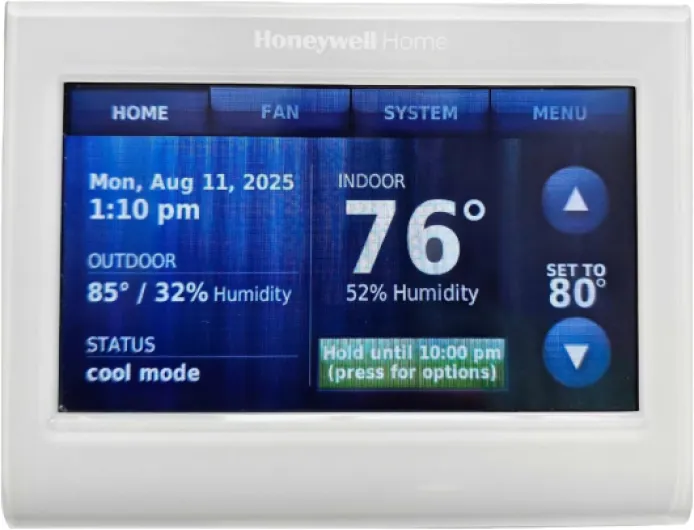
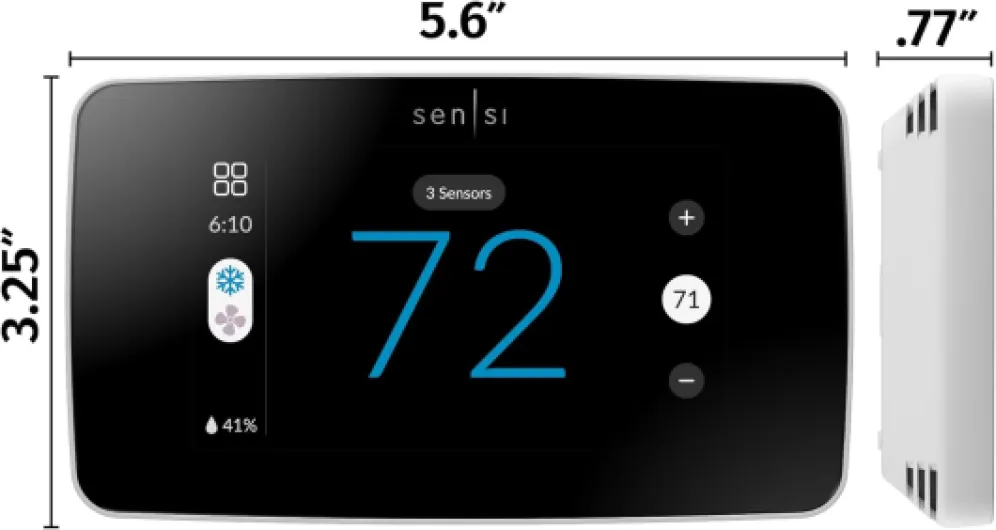
Once powered by the C wire, a Nest thermostat, an Ecobee smart model, or a Sensi Touch thermostat can maintain a bright color display and constant Wi‑Fi without relying on batteries. This stable power lets the thermostat control schedules, geofencing, and learning thermostat algorithms that adapt to your habits and reduce energy usage over time. If you want advanced scheduling guidance, resources such as this guide to top smart thermostats with scheduling can help you compare how each product handles time based control in different rooms.
Daily life with the best smart thermostats with C wire required feels different because the device responds instantly and integrates more deeply with your smart home. You can adjust the thermostat with an app, ask Amazon Alexa or Google Assistant to change the temperature, or let the system pre heat and pre cool rooms based on occupancy data from room sensors. In one real‑world test of a two‑story home, adding a C‑wire smart thermostat cut manual temperature changes by more than half over three months, because automations and reliable power handled most of the routine adjustments in the background.
Comparing Nest, Ecobee, and Sensi for C wire installations
Among the best smart thermostats with C wire required, three families dominate most buying guides and every serious review. Google Nest thermostats, including the standard Nest thermostat and the Nest Learning Thermostat, focus on a clean design, a sharp display, and strong integration with Google services. Ecobee smart thermostats, especially the Ecobee Smart Thermostat Premium, emphasize room sensors, air quality monitoring, and wide compatibility with Amazon Alexa, Google Assistant, and other platforms.
Sensi and Sensi Touch thermostats, sold widely through Amazon and trade channels, aim at homeowners who want an affordable product that still works with a C wire and supports most central systems. If you run a typical split system or heat pump, a comparison such as this overview of smart thermostats for central heating and cooling shows how Sensi models often match Nest and Ecobee on core control features while costing less. For buyers who want the best smart balance between price and function, Sensi thermostats with a common wire can be a strong alternative to more famous brands.
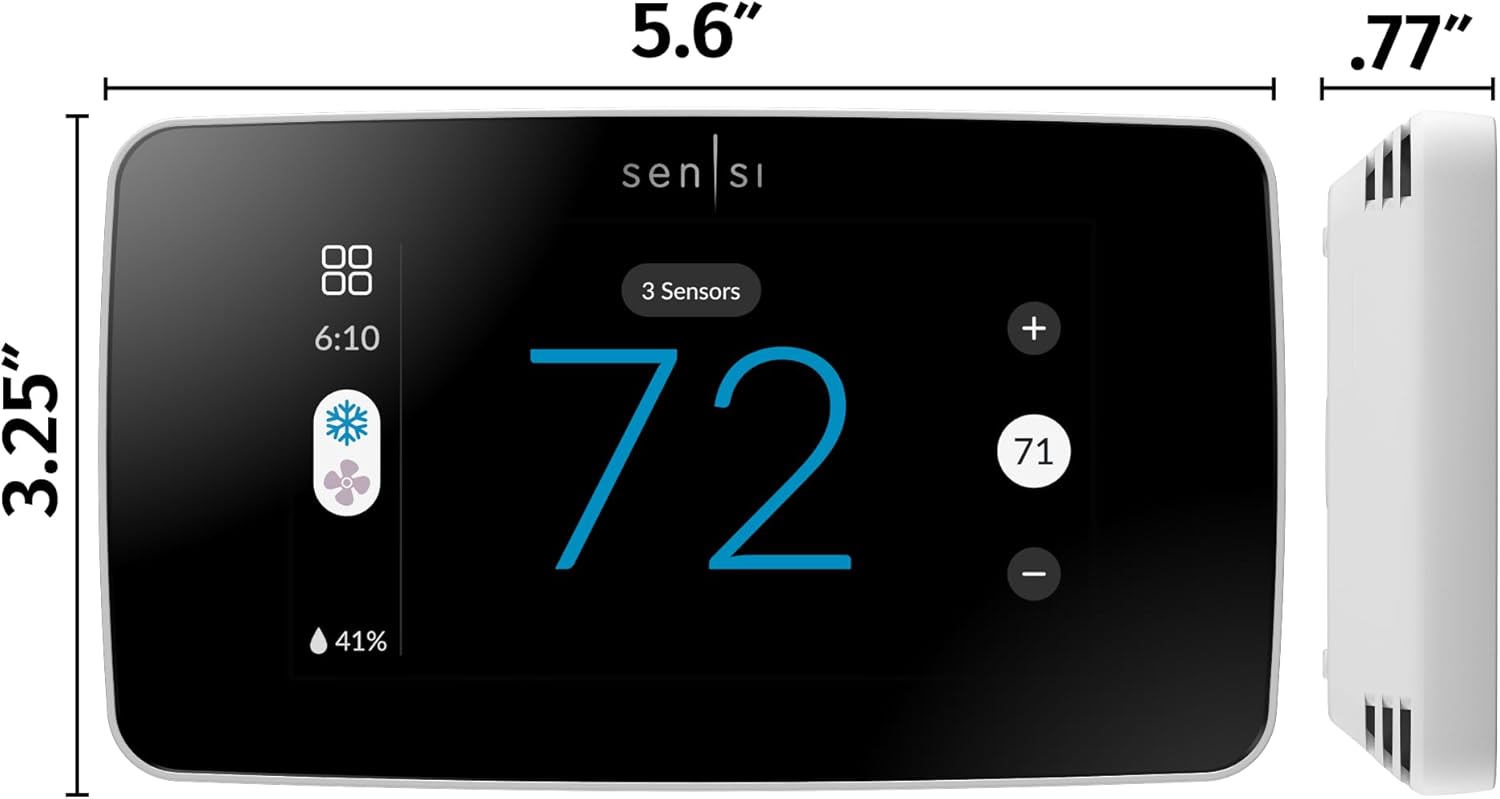
Google Nest devices excel when you already live in the Google ecosystem and want a learning thermostat that quietly optimizes energy usage in the background. Ecobee smart thermostat premium models stand out if you value room sensors in several rooms, built in Amazon Alexa, and detailed air quality metrics that run continuously thanks to the C wire. Sensi Touch thermostats, with their responsive touch display and straightforward app, suit readers who prefer simple control, clear wiring diagrams, and an affordable way to buy into smart thermostats without paying for every possible extra, and manufacturer spec sheets make it easy to compare supported system types, voltage ranges, and accessory compatibility side by side.
Voice assistants, platforms, and how everything works with a C wire
When you evaluate the best smart thermostats with C wire required, platform support is just as important as hardware quality. A Nest thermostat or Google Nest Learning Thermostat integrates tightly with Google Assistant, while many Ecobee smart models and Sensi Touch thermostats include native Amazon Alexa support. Some Ecobee and Nest thermostats also work with both Amazon Alexa and Google Assistant, which means you can control the thermostat with whichever voice assistant your household prefers.
Stable power from a common wire allows these smart thermostats to maintain constant connections to Wi‑Fi, cloud services, and local hubs without frequent reconnection delays. That reliability matters when you use routines such as “good night” scenes, where Amazon smart speakers, Google Nest displays, and other devices adjust lights, locks, and the thermostat with a single command. If you want to keep more control local instead of relying on cloud accounts, resources such as this guide to running a Matter thermostat without a cloud account explain how a C wire and modern protocols can support local only setups.
For many homes, the best smart choice is a thermostat that works with both Alexa and Google, because families often mix devices from Amazon and Google over time. Ecobee smart thermostat premium units, for example, can act as an Amazon Alexa speaker while still responding to Google Assistant through other devices in the room. When you buy any of the best smart thermostats with C wire required, check the product box and online specifications to confirm which assistants it works with and whether advanced features such as room sensors or air quality monitoring require a specific ecosystem.
Energy usage, comfort, and room sensors in real homes
The strongest reason to focus on the best smart thermostats with C wire required is long term energy usage reduction without sacrificing comfort. A learning thermostat such as the Nest Learning Thermostat or an Ecobee smart thermostat premium model uses algorithms and occupancy data to pre heat or pre cool rooms before you arrive, then relaxes the setpoint when you leave. Because the thermostat has continuous power from the common wire, it can run these calculations and maintain Wi‑Fi connections without worrying about battery drain.
Room sensors change how thermostats think about comfort, especially in multi level homes where a single hallway thermostat cannot represent every room. Ecobee smart thermostats ship with room sensors that track temperature and occupancy, then average or prioritize rooms based on your schedule and preferences. When those sensors and the main thermostat share reliable power and communication, the system can reduce hot and cold spots while still trimming energy usage during unoccupied periods.
Air quality monitoring is another area where the best smart thermostats with C wire required stand apart from simpler models. Ecobee Smart Thermostat Premium, for instance, tracks volatile organic compounds and carbon dioxide estimates, then surfaces alerts on the display and in the app when ventilation might be needed. Nest thermostats and some Sensi models focus more on temperature and humidity, but when powered by a C wire they can still provide consistent data that helps you balance comfort, health, and cost in every room you care about, and utility‑backed field studies reporting roughly 8 to 15 percent HVAC savings with smart controls show how those insights can translate into measurable reductions on real energy bills.
How to choose and buy the right C wire smart thermostat
Before you buy any of the best smart thermostats with C wire required, start by opening your existing thermostat and taking a clear photo of the wiring. Look for a wire connected to a terminal labeled C, or a spare unused conductor that could become the common wire with minor changes at the furnace control board. If you feel unsure about any step, hiring a qualified technician for a short visit usually costs less than repairing damage from a wiring mistake.
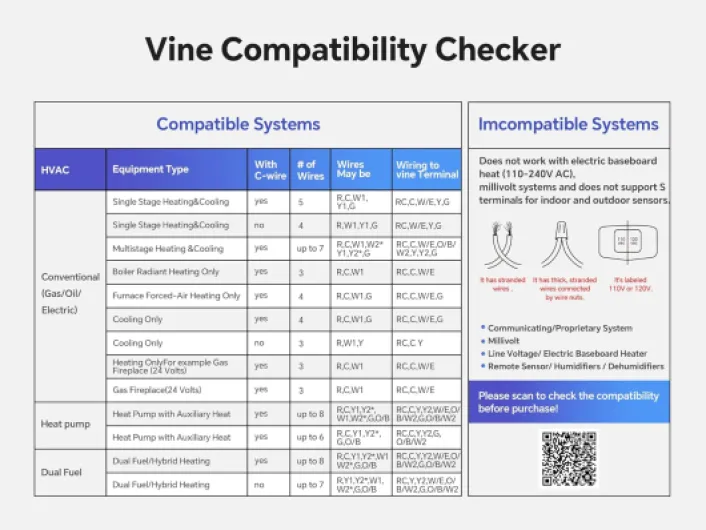
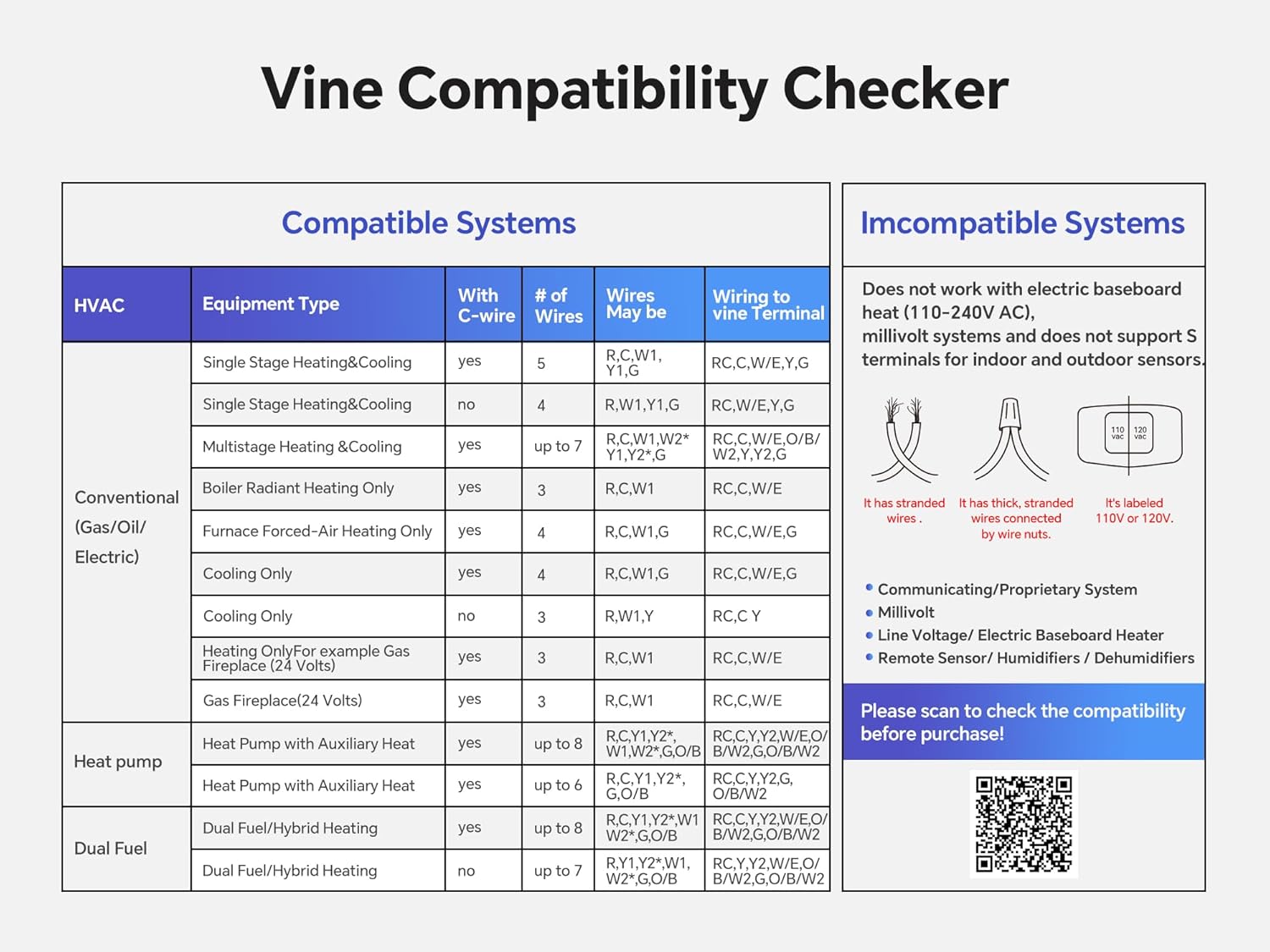
Next, match your system type and voltage to the thermostat specifications, because most smart thermostats support low voltage central systems but not high voltage electric heaters. Check whether the product works with heat pumps, multi stage equipment, or accessories such as humidifiers, then confirm that your preferred voice assistant such as Amazon Alexa or Google Assistant is supported. Reading at least one detailed review for each candidate thermostat on a major retailer such as Amazon helps you understand how the display, touch interface, and app behave in real homes rather than in marketing photos.
Price still matters, even when you focus on the best smart thermostats with C wire required, so compare Nest, Ecobee, and Sensi options at similar feature levels. A Nest thermostat or Sensi Touch model might be the best smart affordable choice if you mainly want app control and basic scheduling, while an Ecobee Smart Thermostat Premium with room sensors and advanced air quality tracking justifies its higher cost in larger homes. When you finally buy, keep the box, jump details in the manual, and any included wire labels, because they make future upgrades or moves much easier if you change systems or sell the property.
Key statistics on smart thermostats and C wire adoption
- Studies from major utilities and energy agencies have reported that smart thermostats can reduce heating and cooling energy usage by roughly 8 to 15 percent compared with manual thermostats, depending on climate and user behavior.
- Market research from firms such as Statista has shown that tens of millions of smart thermostats are installed globally, with adoption growing steadily as more homes upgrade from basic programmable thermostats.
- Surveys of HVAC professionals indicate that a significant share of service calls for smart thermostat issues relate to missing or miswired common wires, highlighting the importance of correct C wire installation.
- Energy agencies in several regions have noted that pairing smart thermostats with time of use tariffs can shift a measurable portion of cooling load away from peak hours, easing stress on electrical grids.