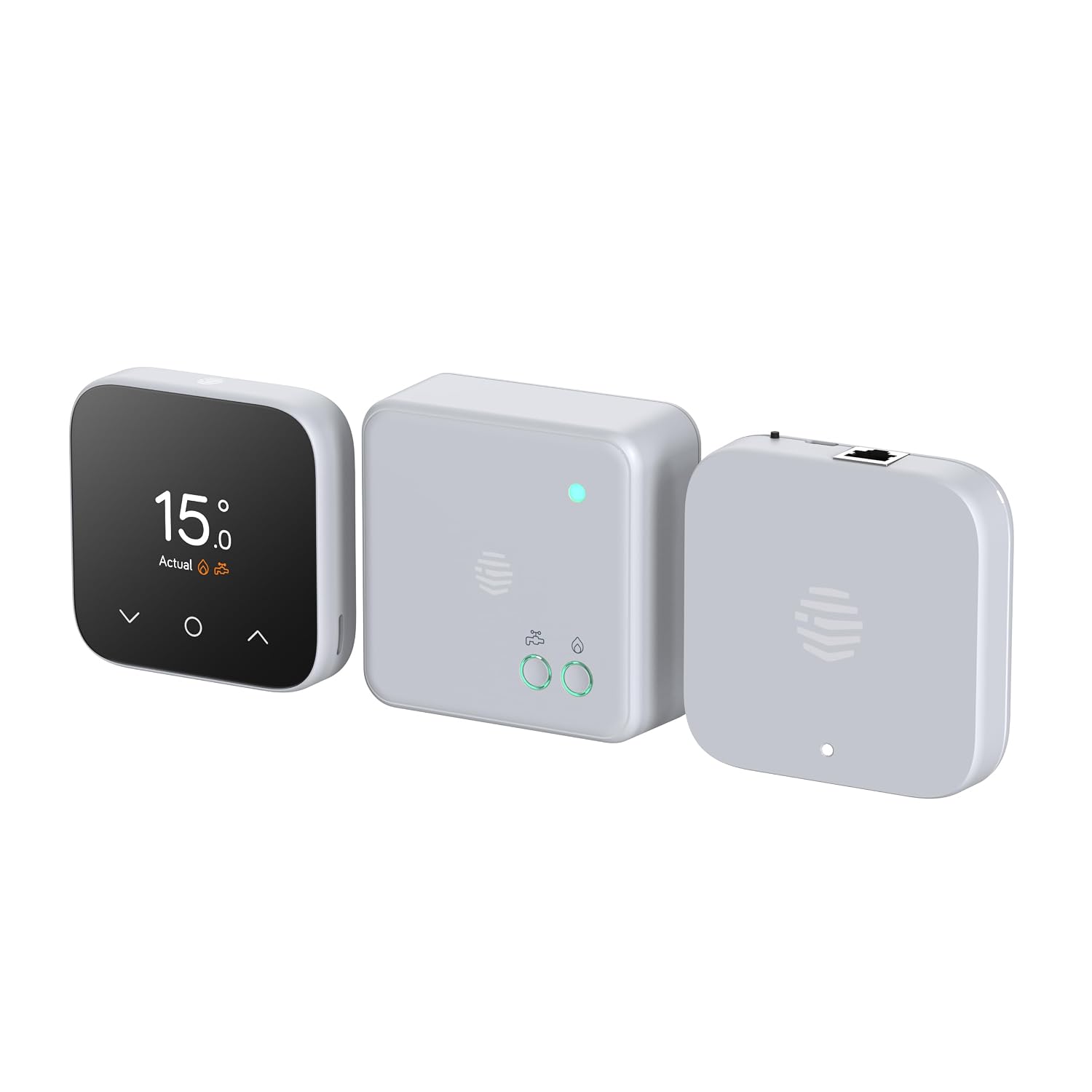
Comparing Nest, Ecobee and other best smart thermostats with app control
Among the best smart thermostats with app control, three names appear constantly in expert tests. Google Nest, Ecobee Smart Thermostat Premium, and several Amazon compatible models all compete to be the best smart option for connected homes. Each smart thermostat family offers different strengths, so the right thermostat with app control depends on your priorities.
The Nest Thermostat and Nest Learning Thermostat focus on simplicity, using a learning thermostat algorithm to adjust temperature automatically based on your habits. Ecobee Smart Thermostat Premium leans on a powerful remote sensor, strong integration that works with Apple HomeKit, Amazon Alexa, and Google Assistant, and detailed energy reports that help you save money. If you rely heavily on Google Assistant or Alexa voice commands, check that your chosen smart thermostats officially work with Google Nest speakers or Amazon Alexa devices before you buy.
People who live in mixed ecosystems often ask which smart thermostats work best with both Alexa and Google Assistant. For that scenario, Ecobee Smart models and many Nest thermostats provide broad compatibility, while some Amazon branded thermostats focus more tightly on Amazon Alexa. To explore options that are especially tuned for Google Assistant, you can review a dedicated guide to top smart thermostats compatible with Google Assistant, which explains how each smart thermostat integrates with Google services.
| Model |
Voice platforms |
Remote sensors |
Typical price range* |
| Nest Thermostat |
Google Assistant, Alexa |
Optional Nest sensors |
Lower mid range (about $120–$150) |
| Nest Learning Thermostat |
Google Assistant, Alexa |
Optional Nest sensors |
Upper mid range (roughly $200–$250) |
| Ecobee Smart Thermostat Premium |
Alexa (built in), Google Assistant, Apple HomeKit |
Included smart sensor, optional extras |
Premium tier (around $240–$280) |
*Price bands are approximate and vary by retailer and promotions.
| Model |
C wire needs |
Included sensor |
Voice / hub compatibility |
At a glance |
| Nest Thermostat |
Often works without C wire, but recommended for reliability |
No sensor in box |
Google Assistant, Alexa; works with Google Nest ecosystem |
Great value and simple app, but fewer advanced reports |
| Nest Learning Thermostat |
Prefers C wire for stable power |
No sensor included |
Google Assistant, Alexa; strong learning features |
Excellent automation, higher price and optional sensors |
| Ecobee Smart Thermostat Premium |
C wire recommended; extender kit usually supplied |
One smart room sensor |
Alexa built in, Google Assistant, Apple HomeKit |
Rich data and comfort control, premium upfront cost |
Wiring, installation and what wire required really means
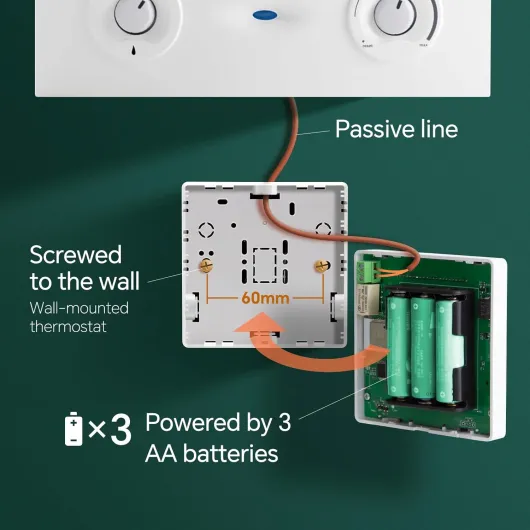
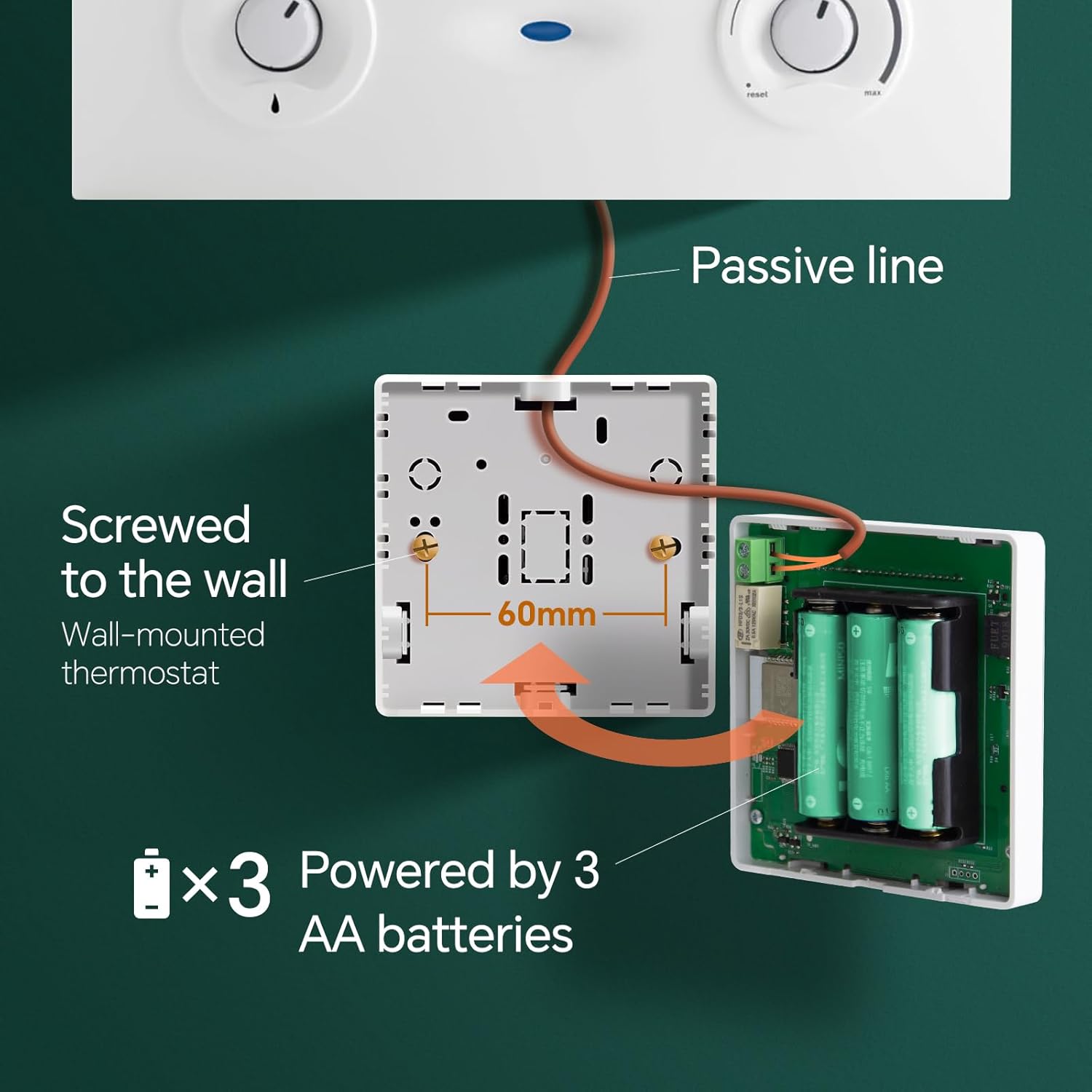
Before you buy one of the best smart thermostats with app control, you need to understand wiring basics. Many smart thermostats, including Nest Thermostat and Ecobee Smart Thermostat Premium, expect a common wire, often called the C wire required for stable power. If your existing thermostat with mechanical controls lacks this wire, installation of a new smart thermostat may require an adapter or professional help.
Google Nest and Ecobee smart models both offer solutions when a C wire is missing, but their approaches differ. Some Nest thermostats can operate without a dedicated wire required by drawing power from the heating cooling circuit, while Ecobee Smart Thermostat Premium often includes a power extender kit that works with older systems. When you evaluate thermostats on Amazon or other retailers, read the wire compatibility section carefully and check whether your heating cooling system uses low voltage wiring or high voltage electric baseboards.
Installation is also the moment when privacy and data questions arise around any smart thermostat. A connected thermostat with app control inevitably sends data about temperature, motion, and sometimes humidity back to servers run by brands such as Google Nest or Ecobee Smart. If you want a clear explanation of what data Nest, Ecobee, and some utilities actually collect from smart thermostats, consult a specialist analysis of how your smart thermostat is reading your home and what information is stored.
Voice assistants, apps and how control really works day to day
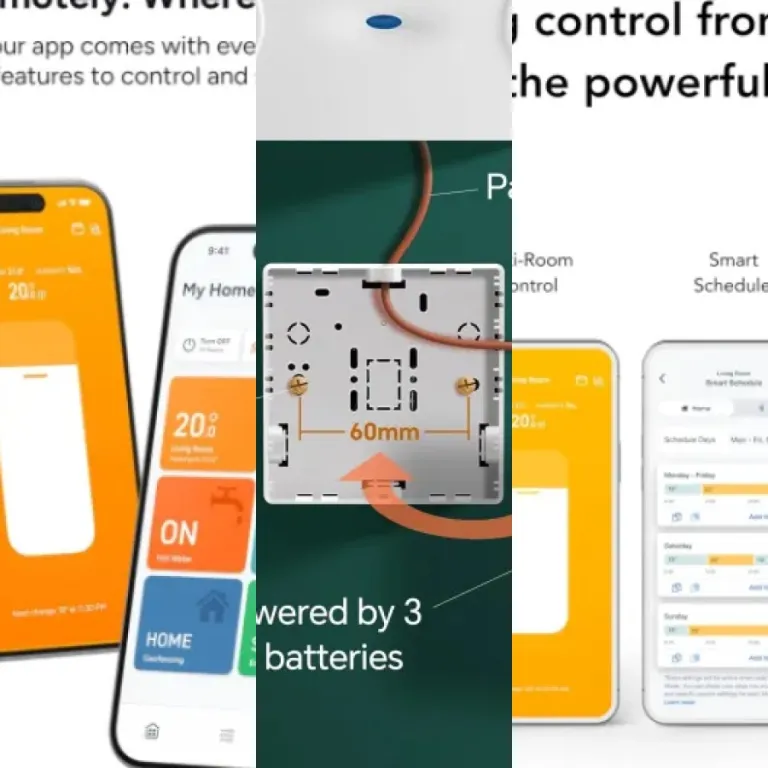
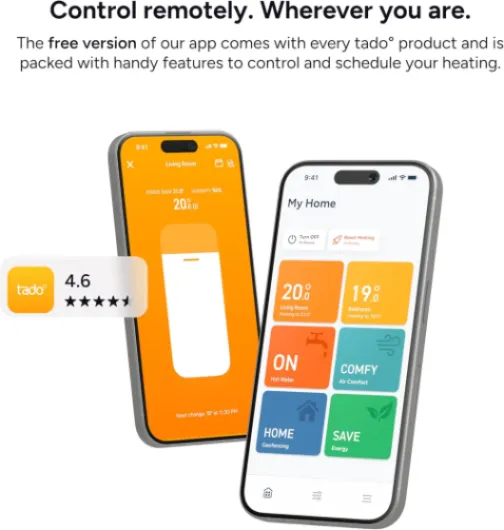
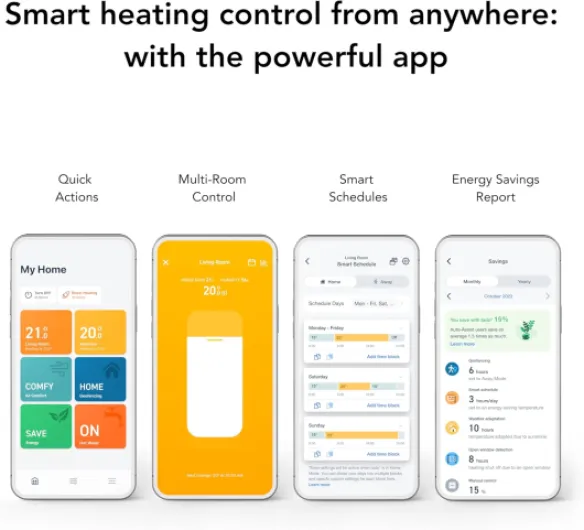
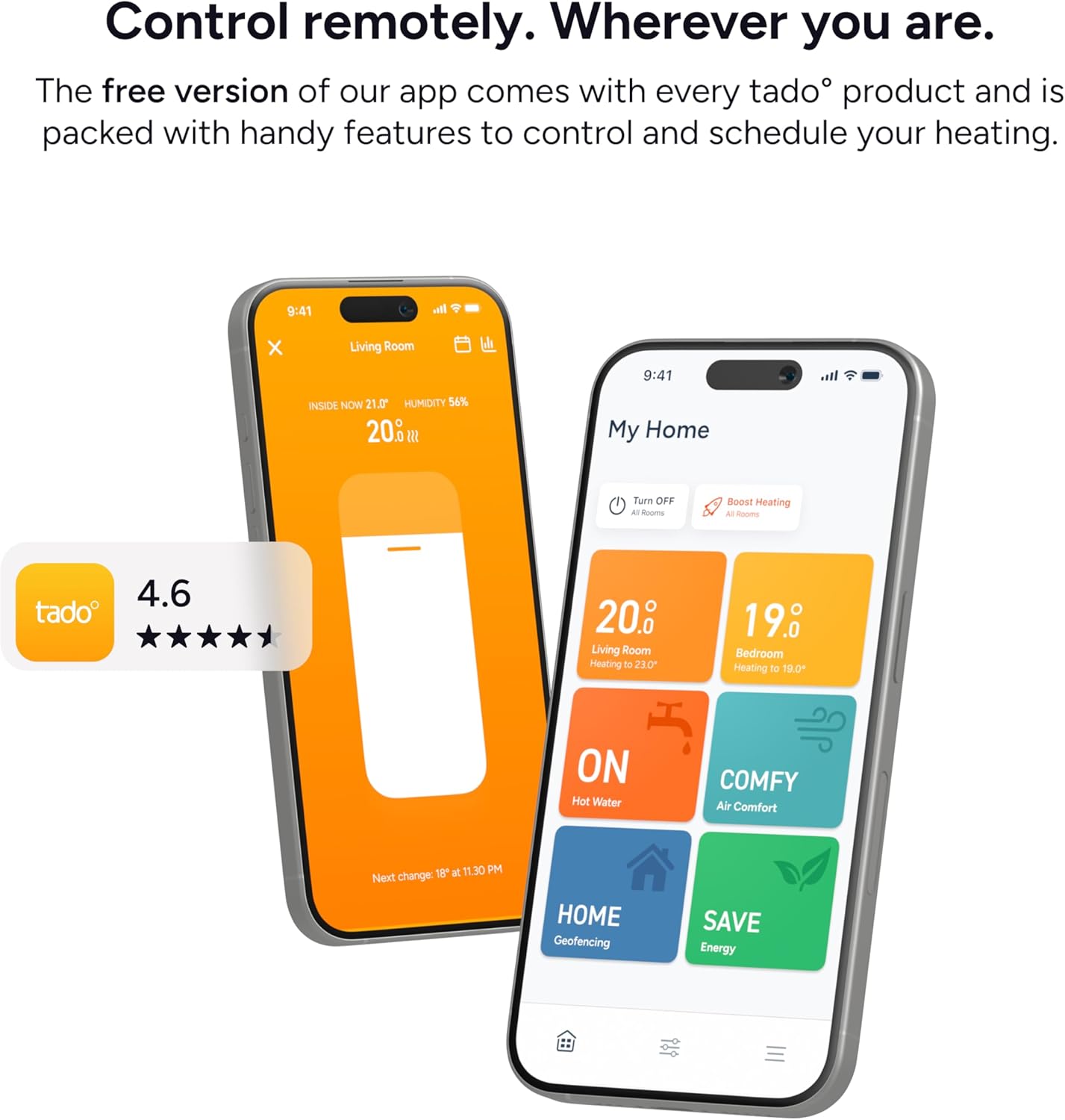
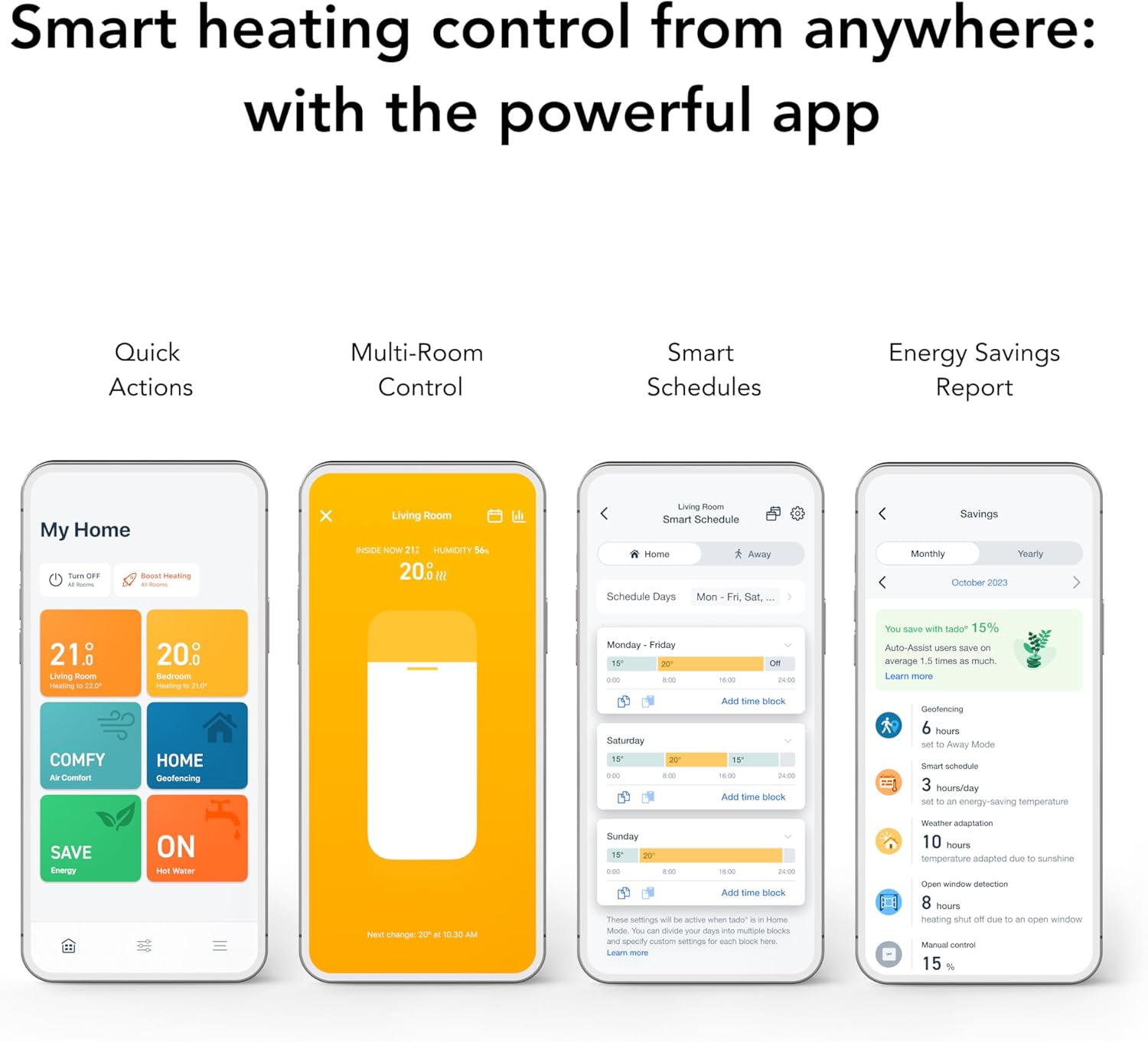
Once a smart thermostat is on the wall, the app and voice assistant shape how you use it. The best smart thermostats with app control give you fast access to temperature changes, scheduling, and energy insights from any smartphone. A thermostat with a clumsy app or unreliable connection will quickly feel more frustrating than a simple manual thermostat.
For voice control, check whether your chosen smart thermostats work with Alexa and Google combinations, Google Assistant speakers, or Amazon Alexa displays in your home. Google Nest thermostats naturally integrate tightly with Google Assistant, while Ecobee Smart Thermostat Premium includes a built in Alexa assistant and still works with Apple HomeKit and Google Assistant for flexible control. If you already own Amazon smart speakers, a thermostat with Alexa support built in can let you change temperature, check the weather, or run routines without touching your phone.
App design matters as much as hardware when you compare the best smart thermostats with app control. Look for clear icons, quick loading graphs, and simple ways to adjust heating cooling schedules or enable eco modes that help you save or utility programs reduce peak demand. Over time, a well designed app will encourage you to buy less energy by making the impact of every degree of temperature change visible and easy to understand.
Energy savings, comfort and advanced features like balance point tuning
People rarely install smart thermostats just for novelty, they want lower bills and better comfort. The best smart thermostats with app control use sensors, algorithms, and weather data to reduce energy use without sacrificing comfort in occupied rooms. A learning thermostat such as Nest Learning Thermostat or Ecobee Smart Thermostat Premium studies when you are home, then automatically adjusts temperature to save energy while you sleep or travel.
Remote sensor technology is crucial when rooms in your home heat or cool unevenly. Ecobee smart remote sensors, for example, can average temperature across multiple rooms, so the thermostat with app control does not rely only on the hallway temperature. Nest thermostats also offer sensor accessories, and both brands let you choose which sensor controls heating cooling during specific times of day for more precise comfort.
For homes with heat pumps, a single setting called the balance point can dramatically affect winter energy costs. If you want a detailed explanation of how setting the balance point on a heat pump thermostat determines your winter bill, a specialized guide can walk you through the one number that matters most. Used correctly, the best smart thermostats with app control will help your utility save energy on the grid, lower your personal costs, and still keep your preferred temperature stable in every season.
Buying guide: how to choose the best smart thermostat with app control
Choosing among the best smart thermostats with app control starts with compatibility. First confirm that your heating cooling system voltage, fuel type, and wire layout match the requirements of the smart thermostat you plan to buy. Then decide whether you prefer a Nest thermostat design, an Ecobee Smart Thermostat Premium, or another thermostat with strong app reviews on Amazon or from independent testers.
Next, think about which ecosystem you already use most at home. If you rely on Google Assistant and Google Nest speakers, a Nest Learning Thermostat or newer Nest Thermostat will integrate smoothly and respond quickly to voice commands. Households built around Amazon Alexa devices may prefer an Ecobee smart model with Alexa built in or an Amazon smart thermostat that works with Alexa and Google routines and other Amazon Alexa features.
Finally, compare long term value rather than only the upfront price when you buy. A thermostat premium model with better sensors, reliable Wi Fi, and a polished app can deliver more energy savings over several winters than a cheaper smart thermostat with limited control options. Look for clear energy reports, strong privacy policies, and app updates that show the manufacturer will support your smart thermostats for many years.
Data, security and what to expect from connected thermostats
Every smart thermostat with app control is also a data device that lives on your wall. The best smart thermostats with app control collect temperature, humidity, and sometimes motion data to optimize heating cooling performance. Nest thermostats, Ecobee Smart Thermostat Premium, and other thermostat premium models use this information to refine learning thermostat algorithms and improve comfort.
Because these smart thermostats connect through Wi Fi and often work with Google Assistant, Amazon Alexa, or Apple HomeKit, they also interact with cloud services. That means your thermostat with app control will send some data to Google Nest, Ecobee, or Amazon smart platforms, where it is processed to provide energy reports, remote access, and integration with other devices. Responsible brands explain clearly how long they store data, how they protect it, and whether they share anonymized information with utilities to help utilities save energy across the grid.
As a buyer, you should read privacy policies with the same care you give to wire diagrams or feature lists. Look for options to limit data sharing, disable certain sensors, or opt out of utility demand response programs if they do not fit your needs. A well chosen smart thermostat with transparent data practices will give you powerful app control, precise temperature management, and peace of mind about how your home information is handled.
Key figures about smart thermostats and app based control
- According to the United States Environmental Protection Agency, properly programmed smart thermostats can reduce heating and cooling energy use by about 8 % on average compared with manual thermostats, which translates into meaningful annual bill savings for most households.1
- Market research from firms such as Statista shows that global smart thermostat shipments have grown from fewer than 10 million units per year to well over 20 million units per year within a few product generations, reflecting rapid adoption of app controlled climate systems.2
- Independent field studies on Nest Learning Thermostat deployments have reported combined heating and cooling savings in the range of 10 to 12 % for typical users, demonstrating the impact of learning thermostat algorithms and remote control features.3
- Surveys of smart home owners consistently find that more than half of respondents use voice assistants such as Google Assistant or Amazon Alexa to adjust thermostat temperature at least once per week, underlining the importance of strong voice integration.4
- Utility demand response programs that connect to compatible smart thermostats have been able to reduce peak electricity demand by several percentage points during heat waves, helping stabilize grids while providing bill credits to participating customers.5
1 Based on EPA ENERGY STAR guidance on programmable and smart thermostat savings estimates, which typically cite around 8 % average heating and cooling reductions for engaged users. 2 Drawn from Statista smart thermostat shipment trend summaries that track global unit volumes over recent years. 3 Reflects results reported in Nest internal energy impact studies comparing pre and post installation utility data. 4 Aggregated from smart home adoption surveys by major research firms that monitor voice assistant usage patterns. 5 Summarizes findings from utility demand response pilot program reports that measure peak load reductions from enrolled smart thermostats.