

Understanding smart thermostat connectivity
How smart thermostats connect to your home
When you’re looking at smart thermostats, one of the first things you’ll notice is the variety of ways these devices connect to your home network and other smart appliances. Connectivity is a core part of what makes a thermostat “smart.” It allows you to control temperature remotely, automate schedules, and integrate with other smart devices. But the type of protocol your thermostat uses—like Zigbee or Z-Wave—can impact everything from compatibility to security and even the range of your system.
Smart thermostats typically use wireless protocols to communicate. These protocols are sets of rules that devices follow to exchange data. The most common options include Wi-Fi, Zigbee, and Z-Wave. Each protocol has its own strengths and weaknesses, especially when it comes to power usage, network range, and how well it works with other smart devices in your home.
- Wi-Fi: Offers direct internet connectivity but can use more power and may not always be ideal for low-power devices.
- Zigbee: Known for low power usage and mesh networking, which extends the range by allowing devices to relay signals.
- Z-Wave: Also uses a mesh network and operates on a low frequency, reducing interference with Wi-Fi and other devices.
Understanding these differences is important because your choice of protocol affects not just your thermostat, but your entire smart home ecosystem. For example, Zigbee and Z-Wave both use mesh networks, which means each device can help extend the signal throughout your home. This is especially useful if you have a large space or thick walls that can block signals. The frequency each protocol uses—like 2.4 GHz for Zigbee or 908 MHz for Z-Wave—also influences range and interference.
As you explore smart thermostat options, consider how these protocols fit with your existing devices and your future plans for smart home expansion. If you’re interested in learning more about Wi-Fi thermostats, especially if you don’t have an AC wire, check out this comprehensive guide to choosing a Wi-Fi thermostat without an AC wire.
Next, we’ll dive deeper into how Zigbee works with smart thermostats and what makes it a popular choice among smart home enthusiasts.
What is Zigbee and how does it work with smart thermostats?
How Zigbee Connects Smart Thermostats to Your Home
Zigbee is a popular protocol in the world of smart devices, especially for smart thermostats and other smart appliances. It’s designed for low power usage, making it ideal for devices that need to stay connected without draining batteries quickly. Zigbee operates on the 2.4 GHz frequency, which is a common band for many wireless devices, but it can also use lower frequencies depending on the region.
One of the standout features of Zigbee is its mesh network capability. In a mesh network, each Zigbee device can relay signals to other devices, extending the overall range and reliability of the network. This means your smart thermostat can communicate with other Zigbee devices throughout your home, even if they’re far from the main hub. The typical range for Zigbee is about 30 to 60 feet indoors, but the mesh network helps overcome obstacles like walls and floors.
- Low power: Zigbee is known for its energy efficiency, which is crucial for battery-powered smart thermostats.
- Open standard: Zigbee is maintained by the Zigbee Alliance, and it’s widely adopted in the IoT (Internet of Things) world.
- Interoperability: Many brands use Zigbee, so you can often mix and match Zigbee devices from different manufacturers.
- Security: Zigbee includes built-in security features, such as encryption, to help protect your smart home network.
Zigbee’s protocol is especially attractive for users looking to build a robust network of smart devices, including thermostats, lights, and sensors. However, it’s important to note that Zigbee devices require a compatible hub to connect everything together. If you’re curious about how a smart thermostat functions when it’s not connected to Wi-Fi, you can find more details in this guide on using a Nest thermostat without Wi-Fi.
Understanding how Zigbee works with smart thermostats helps you see the differences Zigbee brings compared to other protocols like Z-Wave. This knowledge is essential as you weigh your options for the best smart home setup.
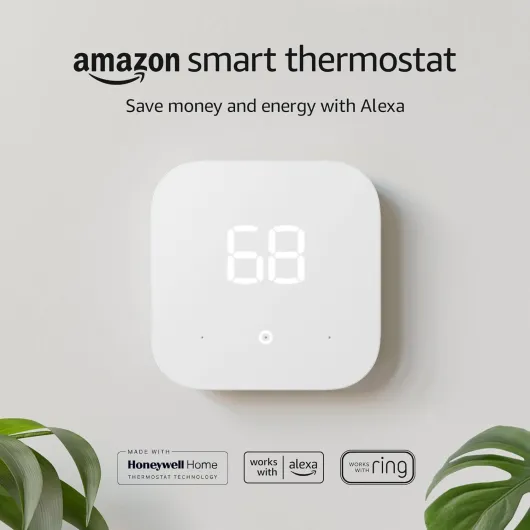
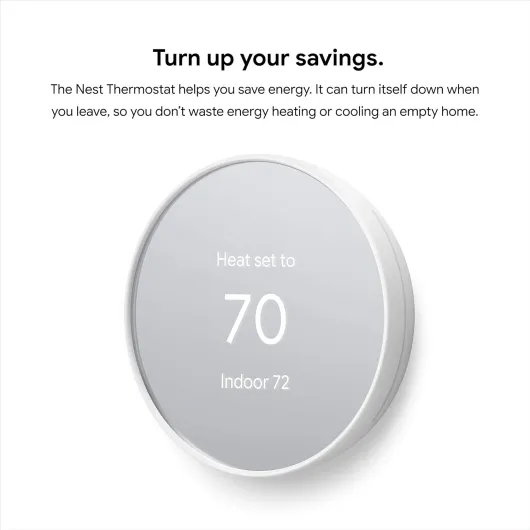
- + Energy saving — advertised to save money and energy
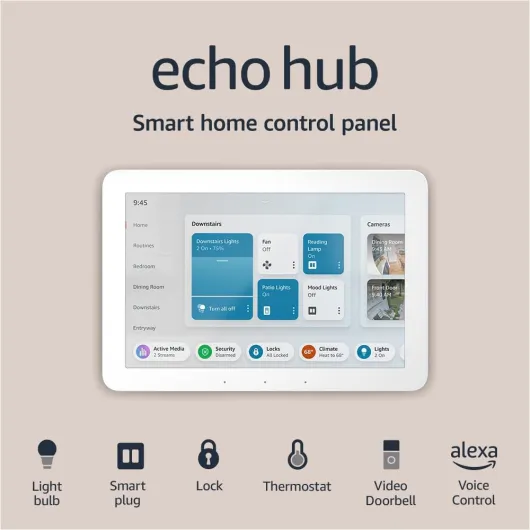
- + Works with Alexa and Ring — integrates with popular smart home platforms
- + Simple 1-pack — single thermostat unit for straightforward replacement
- + Amazon brand — from a well-known smart home ecosystem

What is Z-Wave and how does it work with smart thermostats?
How Z-Wave Connects Smart Thermostats to Your Home
Z-Wave is a wireless protocol designed specifically for smart home devices, including smart thermostats. It operates on a low frequency, typically around 908 MHz in North America, which helps reduce interference from Wi-Fi and other household electronics. This low frequency allows Z-Wave devices to maintain a stable signal, even in homes with thick walls or multiple floors. Z-Wave uses a mesh network standard, meaning each device acts as a repeater, passing the signal along to other Z-Wave devices. This mesh network can extend the range of your smart thermostat's connectivity up to 100 feet between devices, and even further as you add more Z-Wave products to your home. The more Z-Wave devices you have, the stronger and more reliable your network becomes.- Frequency: Z-Wave operates at 908 MHz (North America) or 868 MHz (Europe), avoiding the crowded 2.4 GHz frequency used by many other smart devices.
- Power Usage: Z-Wave is designed for low power consumption, making it ideal for battery-powered smart appliances.
- Compatibility: Z-Wave Alliance certifies products to ensure they work together, regardless of brand. This helps users mix and match Z-Wave devices from different manufacturers.
- Security: Z-Wave protocol includes AES-128 encryption, providing a strong layer of security for your smart home network.
Comparing Zigbee vs Z-Wave: key differences for smart thermostats
How Zigbee and Z-Wave Differ in Smart Thermostat Applications
When comparing Zigbee and Z-Wave for smart thermostats, several technical and practical differences stand out. Both protocols are designed for smart devices and IoT networks, but their unique characteristics can impact your experience with smart appliances and home automation.- Frequency Bands: Zigbee operates mainly at the 2.4 GHz frequency, which is a global standard. Z-Wave uses a lower frequency, typically around 908 MHz in North America. This low frequency helps Z-Wave signals travel through walls more effectively, but Zigbee’s higher frequency can support faster data rates.
- Range and Mesh Network: Z-Wave devices usually have a longer range per device, often up to 330 feet in open air. Zigbee devices typically reach about 80-100 feet. However, both protocols use mesh networking, meaning each device can relay signals to extend the network. The practical range in a home depends on layout and interference.
- Device Compatibility and Ecosystem: Zigbee is an open standard, supported by many manufacturers and the Zigbee Alliance. This can mean more choices in smart devices and products. Z-Wave, while not open source, is highly standardized and certified, ensuring strong interoperability between Z-Wave devices.
- Power Usage: Both Zigbee and Z-Wave are designed for low power usage, making them suitable for battery-powered smart thermostats and sensors. Zigbee’s protocol is particularly optimized for low power, which is important for devices that need to run for years without battery changes.
- Interference and Reliability: Zigbee’s 2.4 GHz frequency can be crowded, as it shares space with Wi-Fi and Bluetooth. This can sometimes lead to signal interference. Z-Wave’s low frequency is less likely to face interference from other home wireless products, which can improve reliability for smart appliances.
| Feature | Zigbee | Z-Wave |
|---|---|---|
| Frequency | 2.4 GHz (global) | ~908 MHz (North America) |
| Range (per device) | 80-100 feet | Up to 330 feet |
| Mesh Network | Yes | Yes |
| Open Standard | Yes | No (but highly standardized) |
| Power Usage | Low | Low |
| Interference | Possible (Wi-Fi, Bluetooth) | Low |
| Device Ecosystem | Large, diverse | Standardized, certified |
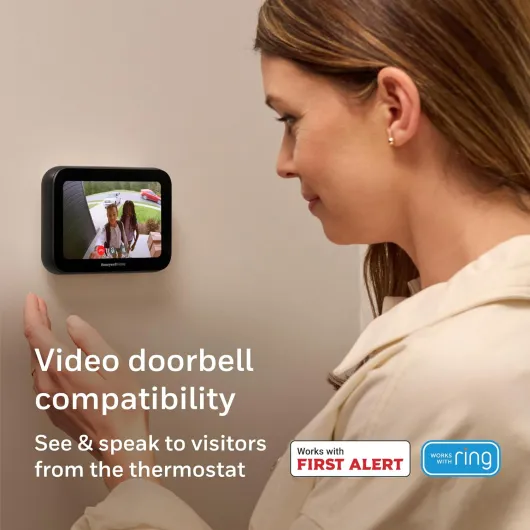
- + Wi-Fi connected for remote control and app access
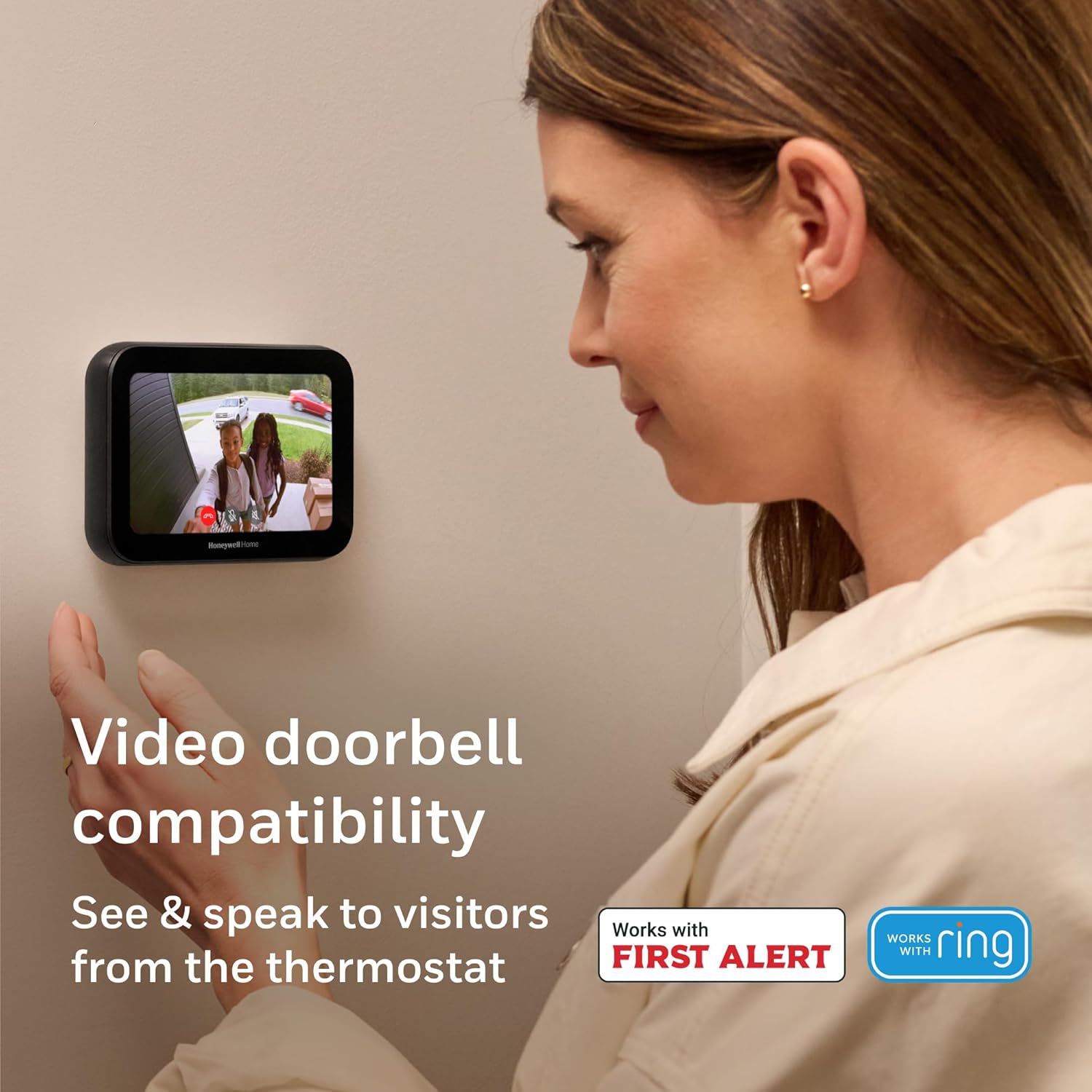
- + Video doorbell compatible to link entry alerts with the thermostat
- + IAQ control (indoor air quality) to monitor and manage air
- + Customizable touchscreen with an intuitive, modern interface
- + Sleek black design that fits contemporary interiors
Security and privacy considerations
How Secure Are Zigbee and Z-Wave Smart Thermostat Networks?
When it comes to smart thermostats, security and privacy are just as important as convenience and energy savings. Both Zigbee and Z-Wave protocols are widely used in smart devices, but they approach security in slightly different ways. Understanding these differences can help you make an informed decision about which protocol is best for your home.
- Encryption Standards: Zigbee uses AES-128 encryption, which is a strong industry standard. Z-Wave also relies on AES-128 encryption, but newer Z-Wave devices (using the Z-Wave Plus protocol) add extra layers of security, such as S2 security framework, which helps protect against unauthorized access.
- Device Authentication: Both protocols require devices to authenticate before joining the mesh network. However, Z-Wave’s S2 framework uses unique QR codes or PINs for each device, making unauthorized device inclusion more difficult.
- Frequency and Interference: Zigbee operates on the 2.4 GHz frequency, which is shared with Wi-Fi and Bluetooth. This can sometimes lead to signal interference, potentially exposing your network to vulnerabilities if not properly managed. Z-Wave uses a lower frequency (around 908 MHz in North America), which typically faces less interference and can offer a more stable connection for smart appliances.
- Open vs. Proprietary Protocols: Zigbee is an open standard, which means more manufacturers can create compatible products. While this increases device variety, it can also introduce inconsistencies in how security is implemented across different brands. Z-Wave, managed by the Z-Wave Alliance, is more tightly controlled, which can result in more consistent security practices across wave devices.
Privacy Considerations for Smart Home Networks
Privacy is a growing concern as more IoT devices enter our homes. Both Zigbee and Z-Wave protocols are designed to keep your data within your local mesh network, rather than sending it to the cloud by default. This local control can reduce the risk of data exposure, but it’s still important to regularly update your devices and use strong passwords for your smart home hub.
In summary, both Zigbee and Z-Wave offer robust security features, but the key differences in their network standards, frequency usage, and device authentication methods may influence your choice. Always look for products that support the latest protocol versions and security updates to keep your smart thermostat and other smart devices protected.
Choosing the right protocol for your smart thermostat
Factors to Consider When Picking Your Smart Thermostat Protocol
When it comes to choosing between Zigbee and Z-Wave for your smart thermostat, there’s no one-size-fits-all answer. Both protocols offer unique advantages, and your decision should be based on your specific needs, home environment, and the devices you plan to connect.- Compatibility with Existing Devices: Check which protocol your current smart home devices use. If you already have Zigbee devices, sticking with the same protocol can simplify setup and expand your mesh network. The same goes for Z-Wave devices. Mixing protocols may require a hub that supports both standards.
- Range and Signal Strength: Z-Wave operates on a low frequency (around 908 MHz in North America), which typically offers better range and less interference from Wi-Fi networks. Zigbee uses the 2.4 GHz frequency, which can be more crowded but supports a larger number of devices in a mesh network. Consider the size of your home and the placement of your smart thermostat when evaluating range needs.
- Power Usage: Both Zigbee and Z-Wave are designed for low power consumption, making them suitable for battery-powered smart devices. However, Zigbee is often favored for applications where very low power usage is critical.
- Network Size and Scalability: Zigbee networks can theoretically support thousands of devices, while Z-Wave networks are limited to 232 devices per network. For most homes, either standard is sufficient, but larger installations may benefit from Zigbee’s scalability.
- Security and Privacy: Both protocols offer robust security features, including encryption. Z-Wave has a mandatory security standard (S2 framework), while Zigbee’s security depends on device implementation. Always check for the latest security updates and manufacturer support for your chosen products.
- Open Source and Industry Support: Zigbee is an open standard, which can encourage broader compatibility and innovation. Z-Wave is managed by the Z-Wave Alliance, ensuring interoperability among certified products. Consider which approach aligns better with your preference for open source or tightly controlled standards.