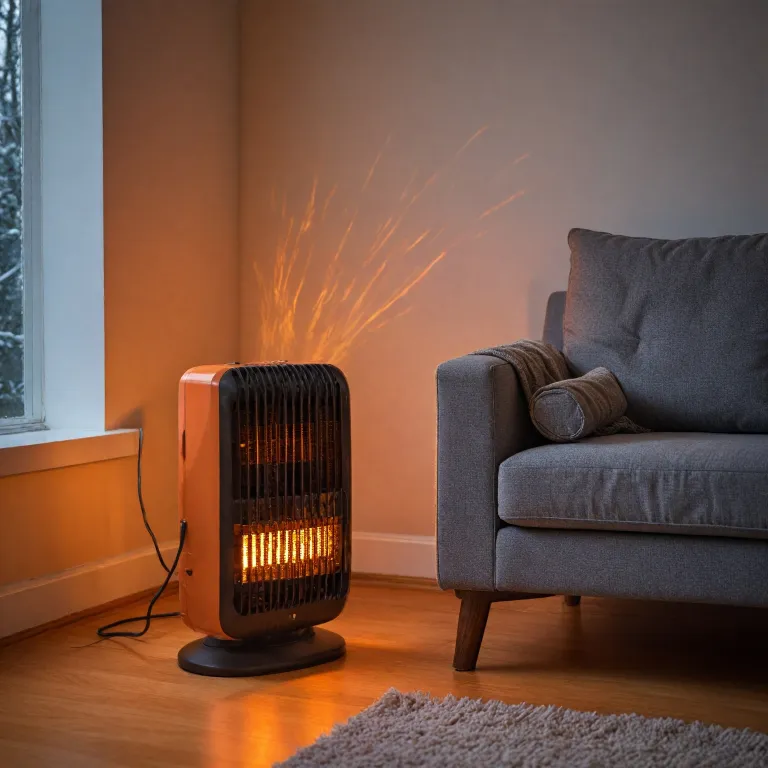

Understanding whether a space heater really uses a lot of electricity
Many people ask does a space heater use a lot of electricity when bills rise. A space heater can feel wonderfully warm in a small room, yet its electricity demand often surprises households that rely on it for long hours. To judge whether a heater uses a lot electricity, you must compare its power, usage time, and your existing heating system. A typical electric space heater is rated between 1 000 and 2 000 watts, which equals 1 to 2 kilowatt hours of electricity for every full hour of use. When you multiply those kWh by several hours day, the cost can quickly exceed the average space heating cost of efficient central heating. The real energy consumption depends on how well insulated the rooms are and how precisely you control temperature over time. If your home loses heat quickly, the heater energy demand rises because the device cycles more often to keep you warm. Many households use space heaters as a supplement to central heating, which can be energy efficient when you only heat one room instead of the whole house. However, using several space heaters in multiple rooms can push your electric bill higher than running a modern heating system. To understand electricity space usage, always check the label for power in watts and calculate expected kilowatt hours. Then compare that energy with your tariff, your solar production if you have rooftop or community solar, and your usual seasonal bills. This simple calculation reveals whether your heaters energy use is reasonable or excessive.
How power ratings, kWh and usage hours shape your heating costs
The key to answering does a space heater use a lot of electricity lies in its wattage. A 1 500 watt electric space heater draws 1.5 kWh for every continuous hour, which means three hours day already equals 4.5 kilowatt hours of electricity. If your electricity cost is 0.25 € per kWh, that single heater adds more than 1 € per day when used heavily. Over a month of cold weather, this extra energy consumption can noticeably increase the average electric bill for many households. When several space heaters operate in different rooms, the combined heaters energy use can rival or exceed a whole house central heating system. By contrast, a well designed heating system with thermostatic control can modulate heat output and improve overall energy efficiency. Smart thermostats and connected controls, including some models compatible with Alexa as shown in this guide on top smart thermostats compatible with Alexa, help reduce wasted electricity. They adjust temperature based on occupancy, time schedules, and sometimes even weather forecasts to optimize energy. When you pair a space heater with such controls, you can limit operating hours and keep only the occupied room warm. This approach reduces kWh while still providing comfortable heat exactly where you need it. Always remember that every extra hour of operation adds linearly to energy consumption, so mindful use is essential. Turning the heater off when you leave the room is one of the simplest ways to cut cost and improve energy efficient living.
Comparing space heaters with central heating and other systems
To know whether a space heater uses a lot electricity, compare it with central heating and alternative systems. Central heating typically warms all rooms through radiators, underfloor circuits, or forced air ducts, which can be efficient when the whole home is occupied for many hours day. However, if you mainly use one room, running a large heating system may waste energy compared with a single electric space heater. In that scenario, targeted heating can reduce overall energy consumption and lower the average cost per kWh of useful heat. Oil filled radiators are a popular type of space heater because their thermal mass stores heat and releases it gradually. These oil filled heaters often cycle less frequently, which can improve perceived energy efficiency even if their rated power is similar to other heaters. When combined with a smart thermostat platform, such as those discussed in this comparison of Google Home and Apple Home for smart thermostats, control becomes even more precise. You can schedule lower temperature settings at night while keeping the main room warm during active hours. In well insulated spaces, this strategy can make a space heater energy efficient relative to running the boiler or heat pump constantly. Yet in poorly insulated rooms, the heater must work harder, increasing kilowatt hours and electricity space demand. Always evaluate your building envelope, window quality, and air leaks before relying heavily on portable heaters. A balanced approach that uses central heating for baseline warmth and space heaters for short bursts of extra heat often delivers the best compromise between comfort and cost.
Smart thermostats, temperature control and energy efficiency with space heaters
Smart thermostats play a crucial role in managing does a space heater use a lot of electricity in modern homes. By accurately measuring temperature and learning your schedule, they help limit heating time to the hours day when you truly need warmth. This precise control reduces unnecessary kWh and improves overall energy efficiency across your heating system. When you connect a space heater to a smart plug or compatible thermostat, you can automate on off cycles. For example, you might pre heat a room for thirty minutes before you arrive, then let the heater energy output drop once the space feels warm. Over weeks of winter, these small adjustments significantly cut electricity use and lower the average space heating cost. Some households pair smart thermostats with community solar or rooftop solar, timing heater operation to periods of higher solar production. This strategy shifts part of the energy consumption away from grid electricity, reducing both cost and environmental impact. To refine control even further, you can use programmable timers, outlet thermostats, or integrated solutions such as those discussed in this guide to choosing the best heat lamp thermostat timer with outlet. These tools help ensure that space heaters do not run for excessive hours when no one is in the room. They also prevent heaters lot of unnecessary cycling, which can stress components and waste electricity. Ultimately, combining smart controls, good insulation, and mindful habits is the most reliable way to keep your electric bill under control while staying comfortably warm.
Practical strategies to reduce the cost of running space heaters
Managing does a space heater use a lot of electricity starts with choosing energy efficient models. Look for Energy Star certified electric space heaters where available, because these products are tested for better energy efficiency and safety. Even without a label, select heaters with adjustable thermostats, multiple power levels, and clear kWh information. Using the lower power setting in a small room often provides enough heat while reducing electricity space demand. Position the heater so that warm air circulates freely, avoiding curtains or furniture that block heat flow. Close doors to unused rooms so that the heating system focuses on the occupied space only. Simple measures such as sealing drafts, adding rugs, and closing blinds at night help retain heat and reduce heater energy requirements. Limit operation to the hours day when you are present, and avoid leaving heaters running while you sleep unless they have robust safety features. Oil filled radiators are often preferred for bedrooms because they provide gentle, steady warmth with lower surface temperatures. Always compare the average space heater cost with what your central heating would consume for the same comfort level. If you have access to community solar or rooftop solar, consider running the heater more during sunny periods when your effective cost per kWh is lower. Over time, track your electric bill and note how different usage patterns affect total kilowatt hours. This data driven approach helps you refine your strategy and keep heaters energy use aligned with your budget.
When space heaters make sense and when to rethink your heating system
Space heaters are most effective when used strategically rather than as the primary heating system for an entire home. They shine in single rooms, home offices, or workshops where you need extra heat for limited hours day. In these cases, the answer to does a space heater use a lot of electricity can be no, provided you manage time and temperature carefully. Problems arise when several space heaters operate simultaneously in multiple rooms for long periods. Under those conditions, heaters lot of energy consumption can exceed that of a modern central heating system with good controls. If your electric bill climbs sharply during cold months, review how many kilowatt hours your heaters energy use adds compared with your boiler or heat pump. Consider upgrading insulation, sealing air leaks, and installing a smart thermostat to coordinate all heating sources. In some homes, investing in a more efficient heating system pays back faster than relying on many electric space heaters. Pairing central heating with targeted electric space devices can still be sensible when you have access to low cost solar electricity. Always evaluate your average space heating needs, the size and layout of your rooms, and your local energy tariffs. By treating space heaters as precision tools rather than default solutions, you can stay warm, protect your budget, and maintain good energy efficiency across your home.
Key statistics about space heater electricity use
- Include here quantitative statistics about average space heater wattage and typical kilowatt hours per day of use.
- Include here data comparing the cost per kWh of electric space heating versus central heating systems.
- Include here statistics on potential savings from using smart thermostats and improved insulation with space heaters.
- Include here figures on the share of household energy consumption attributed to heating in temperate climates.
Common questions about space heaters and electricity
Does using a space heater always increase my electric bill significantly
Using a space heater does not always increase your electric bill dramatically, but it can when used for many hours day. The impact depends on the heater power, your electricity cost per kWh, and how well insulated your room is. Short, targeted use in a single space is usually more economical than running several heaters in multiple rooms.
Is a space heater cheaper than central heating for one room
A space heater is often cheaper than central heating when you only need to warm one small room. In that case, you avoid heating unused rooms and reduce total energy consumption. However, if you regularly heat many rooms with separate heaters, central heating may become more cost effective.
How can I make my space heater use less electricity
You can reduce electricity use by lowering the thermostat setting, limiting operating hours, and improving insulation. Using timers, smart plugs, or smart thermostats helps avoid running the heater when the room is empty. Closing doors, sealing drafts, and adding rugs also help retain heat and reduce heater energy demand.
Are oil filled space heaters more energy efficient
Oil filled space heaters are not inherently more energy efficient in terms of pure kWh, because all electric resistance heaters convert electricity to heat at similar efficiency. However, their thermal mass provides steadier warmth and may allow lower thermostat settings. This can reduce cycling and perceived energy consumption in real world use.
Can solar power offset the electricity used by space heaters
Solar power, whether rooftop or community solar, can offset the electricity used by space heaters by providing low cost or prepaid kWh. When you align heater operation with sunny periods, more of the energy comes from solar rather than the grid. This strategy reduces both the effective cost and the environmental impact of electric space heating.