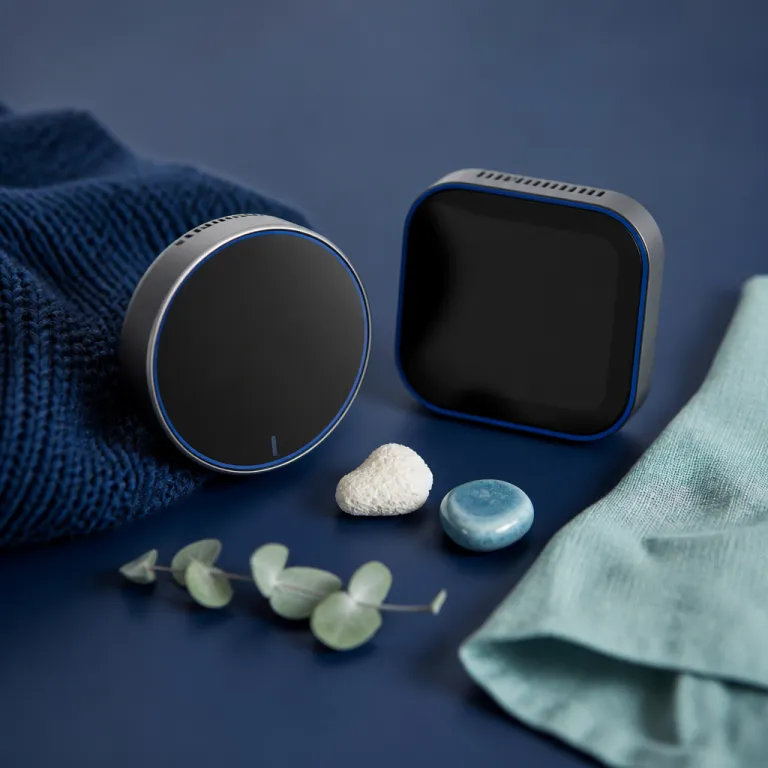
Nest vs ecobee after a full year in a lived‑in home
The real story of Nest vs Ecobee only appears after one full heating and cooling season. Over twelve months of daily use, the Nest 4th Gen and the Ecobee Premium smart thermostat controlled the same HVAC system but delivered measurably different comfort profiles. In a three bedroom, 1,900 square foot house with mixed electric heating and a 2‑stage heat pump, those differences in temperature control and energy savings were impossible to ignore.
Both the Google Nest Learning Thermostat and the Ecobee smart thermostat promise lower energy use and smarter comfort. Over time, the Nest learning algorithms shaped a schedule from manual tweaks and occupancy detection, while the Ecobee Premium leaned on remote sensors and explicit schedules to manage each room. That contrast defines the Nest vs Ecobee experience more than any single premium feature on the box.
In daily life, the Nest thermostat felt almost invisible once its learning stabilized. The Ecobee Premium thermostat felt more like a command center, with on‑screen data about indoor air quality, eco mode status, and current HVAC system runtime. If you want to set and forget, Nest learning feels natural; if you want granular control, Ecobee Premium becomes the smarter companion.
Over the year, both smart thermostat models integrated cleanly with Amazon Alexa and the broader smart systems in the home. The Nest 4th Gen leaned on the thermostat Google ecosystem and Google Assistant, while Ecobee Premium worked with Alexa, Apple HomeKit, and other platforms without drama. For a homeowner juggling multiple smart devices from Amazon and other brands, that cross‑platform control matters more than a single flashy premium feature.
Energy reports told another part of the Nest vs Ecobee story. Nest learning reports focused on daily energy savings badges and eco mode usage, while Ecobee Premium broke down HVAC system runtimes by time of day and room sensor activity. Those different reporting styles shaped how each thermostat encouraged long‑term energy savings and comfort tuning.
Schedule learning quality after 90 days of real use
By the ninety day mark, the Nest Learning Thermostat had built a surprisingly accurate schedule. It tracked manual temperature changes, occupancy patterns, and eco mode triggers to refine when the HVAC system should run. In the Nest vs Ecobee comparison, this learning phase is where Nest feels almost human in how it anticipates comfort needs.
Ecobee Premium took a different path, relying less on opaque learning and more on explicit schedules plus room sensors. You set wake, leave, and sleep times, then let the smart thermostat adjust based on occupancy and temperature readings from each sensor. Over time, that approach gave the Ecobee smart thermostat a predictable rhythm that many homeowners prefer to the more mysterious Nest learning behavior.
In homes with electric heating or a mixed‑fuel HVAC system, schedule precision matters for both comfort and energy savings. Nest learning sometimes overshot on shoulder‑season days, briefly overheating rooms by 1–2°F before settling, while Ecobee Premium stayed closer to the setpoint thanks to its room‑by‑room sensor feedback. Those small differences in temperature control become very noticeable when you work from home and feel every swing.
For people upgrading from a basic thermostat, both systems feel like a leap. The Nest 4th Gen hides complexity behind a simple dial and a clean thermostat Google interface, while Ecobee Premium exposes more options for those who want to tune every schedule block. If you like to tinker with time‑based programs, the Ecobee smart interface will feel more natural than Nest’s mostly automatic learning thermostat style.
When you compare Nest vs Ecobee to more traditional programmable models, the gap widens again. A detailed review of an advanced programmable model such as the American Standard thermostat lineup shows how far learning and sensor‑driven systems have come. After ninety days, both Nest and Ecobee Premium delivered more consistent comfort and better energy savings than any manual schedule we could realistically maintain.
Room sensors, occupancy, and the comfort you feel in real rooms
Room‑by‑room comfort is where Nest vs Ecobee stops being theoretical and becomes personal. Ecobee Premium ships with SmartSensors that track both temperature and occupancy, and additional sensors can be placed in every important room. Over a year, those remote sensors shaped how the HVAC system ran far more than any single smart feature in the app.
In practice, Ecobee Premium’s sensor logic tends to favor occupied rooms, which is ideal for families that move between a living room, kitchen, and bedrooms. When a room sensor detects motion, the smart thermostat shifts its target temperature toward that room’s reading, smoothing out hot and cold spots. This occupancy bias can slightly reduce raw energy savings, but it dramatically improves perceived comfort where you actually sit and sleep.
The Nest 4th Gen now supports Nest Temperature Sensors, but they play a more limited role. You can assign a sensor to control the thermostat during specific time blocks, yet Nest does not blend multiple sensor readings dynamically in the same way as Ecobee Premium. Over twelve months, that meant Nest learning kept the main hallway within about ±2°F of the setpoint, while Ecobee Premium kept the main room where we spent evenings closer to the chosen temperature.
For homes with a heat pump and multiple floors, this difference in remote sensors strategy becomes critical. Ecobee smart thermostats can average several sensors, which helps a single HVAC system serve upstairs bedrooms and a downstairs living room more evenly. Nest can still work in these systems, but you will spend more time manually choosing which sensor controls temperature at which time.
When you factor in air quality monitoring, Ecobee Premium again leans into data. It surfaces indoor air quality metrics on the thermostat and in the app, nudging you to run fans or ventilation when needed. Nest focuses more on features like Airwave, explained in detail in this guide to Nest Airwave technology benefits, which can improve energy efficiency by optimizing compressor and fan run time.
Apps, platforms, and the reality of smart control
Living with Nest vs Ecobee for a year means living inside their apps. The Nest app and the Google Home app offer a clean, minimal interface that keeps the thermostat front and center. Ecobee’s app is busier but more informative, surfacing room sensor data, air quality, and detailed HVAC system runtimes.
On reliability, both platforms had occasional outages, but they failed in different ways. When Google’s cloud services hiccuped, the Nest thermostat kept running its local schedule but remote control through the thermostat Google ecosystem briefly disappeared. Ecobee Premium also kept local control, yet its app sometimes lagged in updating room sensor status during server‑side maintenance windows.
For smart home integrations, Ecobee Premium still has the edge in breadth. It supports Amazon Alexa directly on the thermostat, Apple HomeKit, and other systems, turning the device into a small voice assistant and control hub. Nest leans heavily on Google Assistant and Matter, which improves future compatibility but still leaves Apple users relying on bridges and workarounds.
Energy reports inside each app tell different stories about Nest vs Ecobee performance. Nest highlights eco mode usage, daily energy savings estimates, and how often Nest learning adjusted the schedule, which feels motivational but somewhat abstract. Ecobee Premium shows concrete HVAC system runtimes, room‑by‑room temperature graphs, and how remote sensors influenced heating and cooling decisions.
For homeowners comparing these smart thermostat options to older digital models, it helps to look at a detailed test such as this Honeywell VisionPRO thermostat review. That kind of baseline shows how far app‑based control, ENERGY STAR focused features, and integrated sensors have pushed the category. After a year, the comfort difference is not the app interface, but the February gas bill and how often you think about the thermostat at all.
Heat pumps, electric heating, and hidden compatibility traps
Compatibility with heat pumps and electric heating is where Nest vs Ecobee can quietly make or break a project. Both the Nest 4th Gen and Ecobee Premium support modern heat pumps with auxiliary heat, but Ecobee exposes more configuration options for staging and balance. Over twelve months in a mixed‑fuel HVAC system, that extra control translated into smoother temperature transitions and fewer abrupt defrost cycles.
For homes with electric baseboard heaters, the story changes completely. Neither Nest nor Ecobee Premium can directly switch high‑voltage electric baseboard circuits without extra hardware, which is where a dedicated mysa smart thermostat for electric baseboard or a mysa lite model becomes relevant. In those electric baseboard systems, Nest and Ecobee can still manage a central heat pump or furnace, but they will not replace every wall thermostat without rewiring and additional modules.
When you compare Nest vs Ecobee in heat pump heavy regions, Ecobee Premium’s detailed heat pump settings and better sensor averaging give it a practical edge. Nest learning can still handle heat pumps well, especially when paired with ENERGY STAR rated equipment and features like Airwave. Yet homeowners who want to squeeze every bit of efficiency from variable‑speed heat pumps often prefer the transparency of Ecobee’s configuration menus.
In electric heating scenarios, both brands must be part of a broader plan. You might pair a central smart thermostat with dedicated electric baseboard controllers such as mysa devices to cover every room. That hybrid approach keeps the main HVAC system under Nest or Ecobee control while letting mysa smart thermostats manage high‑voltage baseboard zones safely.
Over the long term, the most important compatibility check is wiring. Before choosing between Nest vs Ecobee, confirm whether you have a C wire, multi‑stage equipment, or complex systems like dual‑fuel heat pumps. If your setup is unusual, Ecobee Premium’s clearer documentation and more flexible accessory support often make installation less stressful than relying on Nest’s more automated thermostat Google setup wizard.
Energy reports, eco modes, and choosing between nest and ecobee
After a full year, the Nest vs Ecobee decision comes down to how you value data, automation, and comfort. Nest learning shines for people who want a smart thermostat that quietly adapts without constant tweaking. Ecobee Premium excels for homeowners who want to see every HVAC system detail, from room sensor readings to air quality trends.
On raw energy savings, both can deliver similar reductions when installed correctly and paired with ENERGY STAR rated equipment. Nest leans on eco mode, learning thermostat behavior, and features like Airwave to trim runtime without obvious comfort sacrifices. Ecobee Premium uses remote sensors, schedule optimization, and detailed runtime reports to help you fine‑tune energy savings over time.
If you care most about room‑by‑room comfort, Ecobee Premium is usually the better buy. Its remote sensors and occupancy‑aware logic keep the rooms you actually use closer to the target temperature, especially in multi‑story homes. Nest can approximate this with temperature sensors, but its simpler control model favors the hallway or main thermostat location.
If you prioritize simplicity and already live inside the Google ecosystem, the Nest 4th Gen is the natural choice. It integrates tightly with thermostat Google services, works smoothly with Google Assistant, and keeps the interface minimal. For many homeowners, that low‑friction experience matters more than the extra graphs and controls Ecobee offers.
For those balancing complex systems, mixed electric heating, and a desire for deep control, Ecobee Premium stands out. It handles heat pumps gracefully, plays well with Amazon Alexa and other platforms, and turns energy savings into something you can actually measure. In the end, the best smart thermostat is not the one with the flashiest app, but the one that keeps you comfortable while quietly shrinking your bills over time.
Key figures on smart thermostats, nest, and ecobee
- Smart thermostats such as Nest and Ecobee can reduce heating and cooling energy use by around 8 to 15 percent, according to field studies from major utilities and the U.S. Environmental Protection Agency.
- ENERGY STAR certified smart thermostat models must demonstrate measurable energy savings in real homes, which is why both Nest learning thermostats and Ecobee Premium devices pursue that label for many of their flagship units.
- Heat pumps now account for more than 40 percent of new residential HVAC system installations in some regions, making advanced thermostat support for heat pumps a critical buying factor for many homeowners.
- Independent surveys of smart thermostat owners consistently show satisfaction rates above 80 percent, with comfort improvements and easier temperature control cited more often than pure bill savings.
- Room sensor equipped systems such as Ecobee Premium can reduce temperature variation between rooms by several degrees Celsius, especially in multi‑story homes with a single central HVAC system.
FAQ about nest vs ecobee and smart thermostats
Is Ecobee Premium or Nest better for a heat pump system ?
For most heat pump systems, Ecobee Premium offers more detailed configuration options and better use of remote sensors, which can improve comfort and efficiency. Nest still handles heat pumps well, especially with features like Airwave and eco mode, but it hides many settings behind its learning algorithms. If your heat pump setup is complex or dual fuel, Ecobee’s transparency is usually an advantage.
Which smart thermostat is easier to use day to day ?
Nest is generally easier for people who want to set a few preferences and let the thermostat learn. Its interface is minimal, and the Nest learning behavior quickly builds a schedule from your manual changes. Ecobee Premium is still user friendly but better suited to homeowners who enjoy adjusting schedules, sensors, and detailed settings.
Do room sensors really make a difference with Ecobee Premium ?
Yes, Ecobee’s room sensors and SmartSensors significantly change how the HVAC system behaves. By averaging or prioritizing occupied rooms, Ecobee Premium reduces hot and cold spots, especially in multi‑story or open‑plan homes. That can slightly reduce theoretical energy savings but usually increases real‑world comfort where you actually spend time.
Can Nest or Ecobee control electric baseboard heating directly ?
Neither Nest nor Ecobee Premium can directly switch high‑voltage electric baseboard circuits without extra hardware. They are designed for low‑voltage HVAC systems, such as furnaces and heat pumps, not direct line‑voltage electric heating. For electric baseboard systems, dedicated controllers such as mysa smart thermostats or mysa lite models are usually required.
How do Nest and Ecobee compare for privacy and cloud dependence ?
Both Nest and Ecobee rely on cloud services for remote access, energy reports, and some smart features. Each thermostat continues basic schedule control locally during outages, but app control and some integrations pause until connectivity returns. Privacy policies differ, so homeowners should review how each brand handles usage data, voice integrations, and energy reporting before deciding.