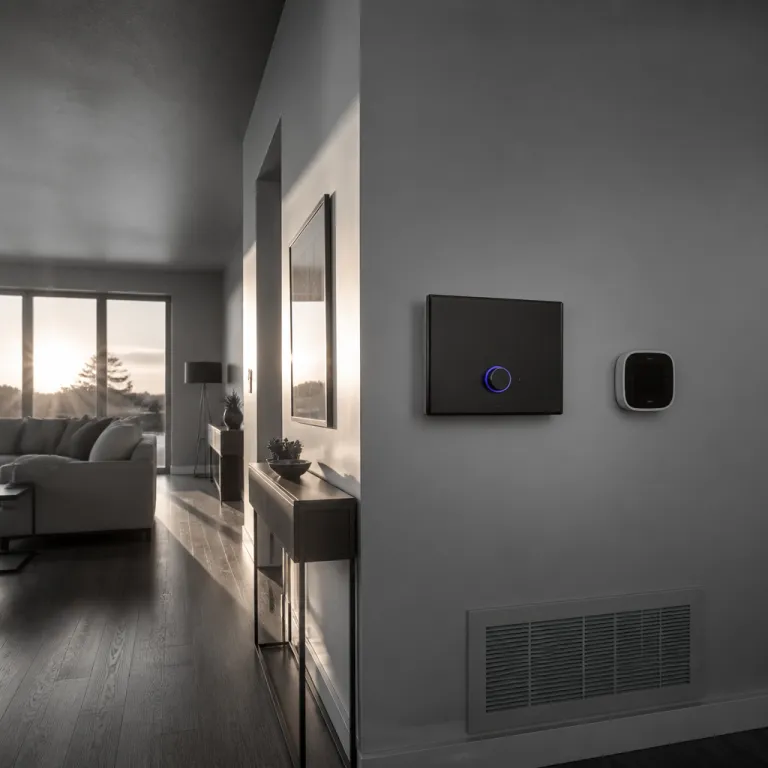

Why smart home control panels matter for modern climate comfort
Smart home control panels sit at the heart of a connected home. These wall mounted hubs give you precise control over heating, cooling, lighting, and other smart devices from a single touchscreen panel. A well chosen control panel transforms a basic smart thermostat into a central control point that feels intuitive rather than technical.
When you pair a smart thermostat with a smart home control panel, you gain a clear visual map of rooms, temperatures, and schedules on a bright touch screen. Instead of juggling multiple apps, you use one home control interface to adjust zones, check energy use, and manage Wi‑Fi smart sensors. This central control approach reduces friction, which is why many homeowners say the panel itself feels like the real product upgrade, not just the thermostat.
For people comparing options, the price of a control panel often seems high at first glance. Yet the long term value comes from better smart control of heating and cooling, which can cut wasted energy and improve comfort. When the panel also manages lighting, blinds, and security devices, the investment spreads across the whole smart home rather than a single room.
How a control panel becomes the brain of home automation
A smart home control panel acts as a home controller that coordinates many brands and protocols. Behind the clean screen, the panel usually includes a hub that speaks Wi‑Fi, Zigbee, and sometimes Thread or Z‑Wave to reach different devices. This hidden complexity lets you mix a pro smart thermostat with budget sensors and still keep simple home control on one interface.
Some panels work as a dedicated hub for a single ecosystem, while others behave more like an open central control bridge. A panel that supports Zigbee and Wi‑Fi smart connections can link smart plugs, radiator valves, and motion sensors to your thermostat schedules. When you add a home automation controller as described in this guide to turning a thermostat into a smart home brain, the thermostat stops being a simple product and becomes part of a wider comfort strategy.
For buyers, the key is to learn which control panels integrate with their existing smart home platforms. If you already use Google Home or Amazon Echo speakers, choose a control panel that supports both Google Home and Alexa voice ecosystems. This avoids duplicate hubs and keeps the price of expansion lower, especially when your business or household plans to add more panels over time.
Touchscreen and voice control for smarter thermostat interaction
Touchscreen interfaces changed how people think about thermostats and smart home control panels. A large touch screen or smaller 4 to 8 inch display lets you slide temperatures, drag schedules, and tap scenes instead of pressing tiny plastic buttons. When the touchscreen is responsive and bright, you are more likely to adjust settings thoughtfully rather than leaving everything on default.
Voice control adds another layer, especially when the control panel includes Alexa built in or supports Google Home voice commands. Many wall mounted panels now act like a panel Alexa device, combining a thermostat interface with a small Amazon Echo style speaker and microphone. If you pair this with a smart thermostat from a list such as the models in this overview of thermostats with voice control, you can say simple phrases to change temperature, switch modes, or trigger home automation scenes.
People who are new to smart devices often learn faster when they can both touch and speak to the same control panel. You might tap the screen to set a schedule, then use remote control by voice for quick changes while cooking or relaxing. Over time, this mix of touchscreen and voice based smart control encourages more efficient use of heating and cooling, because adjustments feel easy rather than like a chore.
Compatibility, wiring, and the reality of installation
Before buying any smart home control panels, check wiring and compatibility carefully. Many pro smart thermostats and wall panels need a neutral wire at the back box, and some explicitly state that a neutral wire is required for stable power. If your existing thermostat location lacks this wire, you may face extra installation price for an electrician or need an adapter kit.
Some control panel products offer flexible power options, such as low voltage power from the HVAC system or separate mains power with a neutral wire required only for certain features. When you add Wi‑Fi smart connectivity, the panel must stay powered continuously to maintain links with Home Assistant servers or cloud services. That is why installers often recommend planning the panel position like any other permanent home controller, not as a temporary gadget.
Wireless compatibility matters as much as wiring, especially if you already own smart home devices. A panel that supports Zigbee can talk directly to many radiator valves and sensors without extra hubs, while Wi‑Fi panels rely more on your router quality. If you use Home Assistant or another advanced platform, confirm that the control panel exposes enough data and control options to integrate cleanly rather than acting as a closed box.
Ecosystems, assistants, and choosing the right control panel
Every smart home lives inside at least one ecosystem, whether that is Amazon Alexa, Google Home, Apple Home, or an open source platform. When you choose smart home control panels, you are also choosing which voice assistants and apps will shape your daily routines. A panel that supports both Alexa and Google integration and local Home Assistant control gives you more freedom to change platforms later.
Some wall mounted control panels focus on deep integration with Amazon services, effectively acting as a fixed Amazon Echo with a larger screen. Others lean toward Google Home, offering tight links with Nest thermostats and Google services while still exposing basic home control for lights and plugs. If you prefer local processing, panels that work as a front end for Home Assistant or similar systems can keep most data inside your home network.
When comparing offers, look beyond headline features and check how each product handles updates, security, and long term support. A slightly higher price for a panel with regular firmware updates and clear privacy policies often pays off in reliability. For more advanced setups, you can even pair a dedicated Matter controller, such as the one described in this analysis of a Matter based controller, with your main control panel to extend compatibility to new devices.
Screen size, interface design, and everyday usability
Screen size on smart home control panels is not just a cosmetic detail. A compact 4 inch or 5 inch screen can be enough for simple thermostat control, but larger 7 inch or 10 inch panels make multi room layouts and graphs easier to read. If you plan to use the panel as a central control dashboard for many devices, err toward the larger end of the inch range that fits your wall space.
Good interface design matters more than raw screen size, because a cluttered touchscreen can make even a big panel feel confusing. Look for clear temperature readouts, simple icons for home control scenes, and quick access to heating modes like eco or away. Panels that let you customize the home screen, such as pinning your most used smart thermostat or lighting controls, reduce the number of touches needed each day.
For families or shared homes, consider how different people will interact with the control panel. Children and guests often rely on obvious touch gestures and clear labels rather than deep menus. A well designed product should let anyone adjust basic temperature and lighting without risking advanced settings, while still giving power users access to detailed automation rules.
Remote access, business use, and planning for the future
Remote control is now a standard expectation for any smart home system. When your wall mounted control panel links to a cloud service or Home Assistant instance, you can adjust the thermostat and other devices from a phone while away. This is especially valuable for second homes or rental properties, where you want smart control over heating without being on site.
Businesses also use smart home style control panels in small offices, clinics, and hospitality spaces. A central control screen near reception can manage climate, lighting, and access, while staff use remote control apps to make quick changes during the day. In these cases, the price of a robust panel is offset by lower energy waste and clearer oversight of how devices are used.
Planning for the future means choosing control panels that can learn new standards and work with more devices over time. Support for Zigbee, Matter, and strong Wi‑Fi smart connectivity reduces the risk of early obsolescence. If you align your panel choice with widely used ecosystems like Amazon Alexa, Google Home, and Home Assistant, your smart home or business will be better prepared for the next generation of connected products.
Key figures on smart thermostats and smart home control panels
- Global smart thermostat shipments exceeded 20 million units according to multiple market research firms, reflecting rapid adoption of smart home climate control. For example, a 2022 report from Berg Insight estimated more than 18 million smart thermostats installed in North America and Europe alone, with shipments growing year over year.
- Studies from energy agencies report that smart thermostats can reduce heating and cooling energy use by roughly 8 to 15 percent when schedules and occupancy features are properly configured. The U.S. Environmental Protection Agency’s ENERGY STAR program, for instance, cites savings in this range for well tuned connected thermostats.
- Market analyses show that smart home devices, including control panels and hubs, are growing at double digit annual rates, driven by demand for integrated home automation. IDC and Statista both project continued compound annual growth as more households adopt connected climate control.
- Consumer surveys consistently indicate that ease of use and clear touchscreen interfaces rank among the top three factors when choosing a smart thermostat or wall mounted control panel. Research from organizations such as J.D. Power and Parks Associates highlights that intuitive controls strongly influence satisfaction scores.
- Industry reports highlight that multi protocol hubs supporting Wi‑Fi and Zigbee now represent a significant share of new smart home controller sales, as buyers seek broader compatibility. Vendors like Samsung SmartThings, Hubitat, and Aqara all promote multi radio control panels or hubs to meet this demand.
FAQ about smart thermostats and smart home control panels
Do I need a smart home control panel for my smart thermostat ?
You do not strictly need a wall mounted control panel, because most smart thermostats work with phone apps and voice assistants. However, a dedicated control panel gives you a stable, always available screen for quick adjustments and multi room views. Many households find that a central control point on the wall reduces confusion and makes the system easier for guests and children.
Will my existing wiring support a smart thermostat and control panel ?
Many modern thermostats and panels require a neutral wire at the installation point, while older homes sometimes lack this conductor. If a neutral wire is required and not present, you may need an electrician or a compatible power adapter kit. Always check the installation guide for both the thermostat and the panel before purchase to avoid surprises.
Can one control panel manage devices from different brands ?
Some smart home control panels act as open hubs that support Wi‑Fi, Zigbee, and other standards, allowing them to manage devices from many brands. Others are tightly linked to a single ecosystem, such as Amazon Alexa or Google Home, and work best with compatible products. When you want broad compatibility, look for panels that integrate with platforms like Home Assistant or support multiple wireless protocols.
How important is voice control for a smart thermostat setup ?
Voice control is not essential, but it adds convenient hands free access for quick temperature changes. Panels with Alexa built in or strong Google Home integration let you adjust heating while cooking, exercising, or carrying items. For people with mobility challenges, voice commands can make smart control of climate significantly more accessible.
What screen size should I choose for a wall mounted control panel ?
For simple thermostat control in a small flat, a 4 to 5 inch screen is usually sufficient. If you plan to manage multiple rooms, scenes, and graphs, a 7 to 10 inch touchscreen offers more comfortable viewing and easier touch targets. Consider the viewing distance in your hallway or living room, and choose the largest size that fits the wall and your budget.