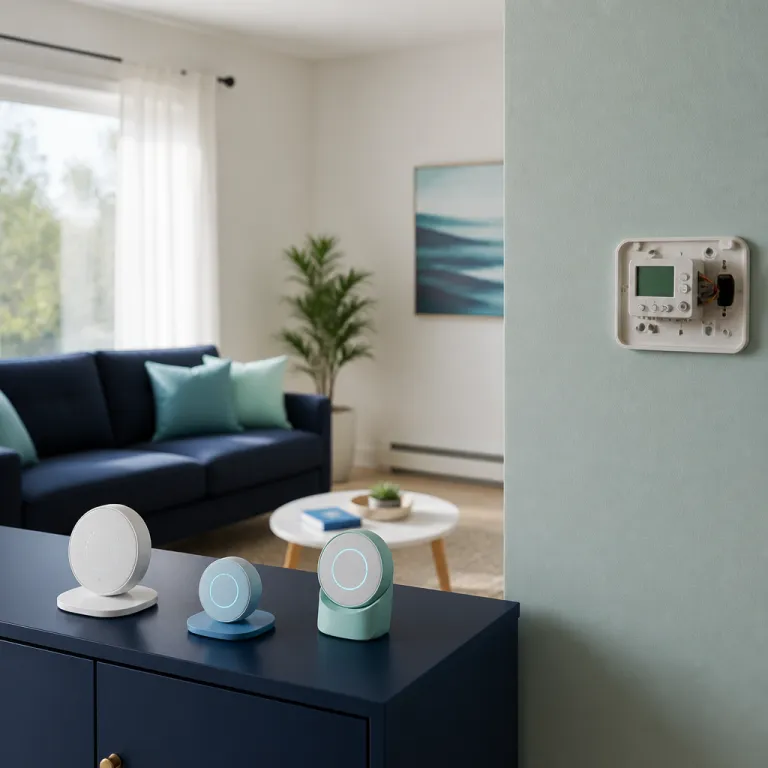
Why a smart thermostat for renters is finally realistic
Renters have been told for years that a smart thermostat is only for owners. In practice many tenants now have options that respect the rental property, keep the landlord calm, and still give real control over temperature and energy. The key is choosing smart thermostats that do not require rewiring the unit or leaving scars on the wall.
Most traditional thermostats are hardwired into the heating and cooling system, which makes property management nervous about damage or liability. A smart thermostat for renters needs to feel almost like a portable appliance, so you can remove it at move out and restore the original thermostat rental hardware in minutes. That is why this guide focuses on three install free approaches that sit on top of the existing heating cooling setup instead of replacing it, with clear notes on cost, compatibility, and payback time.
Think of these devices less as permanent thermostats and more as smart remote controls for the property. They still manage temperature and can deliver meaningful energy savings, but they do it without touching the wiring in older rental properties. That difference matters when you are trying to save money without risking your deposit or upsetting a cautious landlord, especially when typical smart controls can trim heating and cooling bills by around 8–15% according to government energy agencies such as the U.S. Department of Energy, Natural Resources Canada, and the Energy Saving Trust, which all report similar ranges for programmable and smart controls when used correctly.
Approach 1 – Sensibo Air for window AC and mini split units
If your rental property relies on a window AC or a mini split unit, the most practical smart thermostat for renters is not a thermostat at all. Sensibo Air is a small box with infrared sensors that mimics the original remote, giving app based control of temperature, schedules, and even basic air quality insights. It sits on a shelf, connects to Wi Fi, and never touches the building wiring, which keeps landlords and tenants equally relaxed.
This kind of portable controller turns dumb cooling units into smart thermostats in everything but name. You plug the Sensibo Air into a socket, pair it with the AC unit, and suddenly you have programmable thermostat style features, geofencing, and integrations with Amazon Alexa and with Alexa Google style voice assistants. For many rental properties this is the best smart path, because you can pack the device when you leave and the property looks untouched, and the typical purchase price of roughly €80–€130 based on current online retail listings is easier to justify over just one or two summers.
There is a second benefit that matters in cramped city properties where every euro of energy counts. Because Sensibo Air focuses on the specific unit in your bedroom or living room, it avoids the common problem where a central thermostat sits in a hallway and misreads the real temperature in occupied rooms. For a renter who wants to save money on cooling without arguing with the landlord about wiring, this is often the best balance of features, control, and respect for the rental agreement, with many users seeing payback in a single hot season if they previously left the AC running all day.
For a deeper breakdown of which smart thermostats for rentals actually work without a C wire or landlord permission, see this analysis on smart thermostats that function in rentals without new wiring. It explains why portable infrared controllers often beat wall mounted thermostats in older properties. That perspective is crucial when your rental unit has quirky heating cooling equipment and a strict lease.
Approach 2 – Mysa Lite for electric baseboard heating in rentals
Many older apartments use electric baseboard heating, which runs on line voltage and makes a standard smart thermostat unsafe. In those properties a Mysa Lite smart thermostat can replace the existing wall control for a single unit while still keeping the installation reversible for cautious tenants. You shut off the breaker, swap a few wires, and the heating unit becomes part of a smart system that respects both safety and the rental contract, as long as the existing thermostat is also line voltage and the load falls within the manufacturer’s stated limits.
Mysa Lite is not install free in the strictest sense, but it is designed so tenants can reinstall the original thermostats before moving out. The screw holes usually match, the wiring is simple, and you can photograph the original thermostat rental setup to reverse it later without calling property management. For renters who stay several winters in the same property, the energy savings from smarter temperature schedules can outweigh the modest cost of the device, which typically sells in the €70–€120 range according to major retailers and can pay for itself in one to three heating seasons depending on climate and electricity prices.
This approach shines in small properties where each room has its own heating unit and where tenants want room by room control. You can set lower temperature levels in unused rooms, use built in sensors to avoid overheating, and still keep the landlord happy because the wall looks normal when you leave. If you also travel with a camper or van, the same mindset applies to mobile spaces, and guides such as this one on enhancing an RV with a thermostat upgrade show how reversible installs protect every type of property.
Approach 3 – Amazon Smart Thermostat with a C wire adapter
When a rental property has a modern low voltage furnace and central air, an Amazon Smart Thermostat paired with a plug in C wire adapter can be a low friction option. This combination lets a tenant enjoy a full smart thermostat experience while keeping the original thermostat intact in a drawer for move out day. You remove the old thermostat, cap the wires carefully, install the new unit, and rely on the adapter to supply power without altering the building wiring permanently, provided a compatible C wire adapter can plug into a nearby outlet and does not require opening the HVAC control board.
The Amazon Smart Thermostat is not the most advanced thermostat premium device, but it covers the essentials that matter in rentals. You get reliable temperature control, basic energy savings features, and tight integration with Amazon Alexa for voice commands, while still keeping the cost far below a nest thermostat or an ecobee smart model. For many tenants that price difference is decisive, because a renter rarely stays long enough in one property to justify a very expensive smart thermostats purchase, and the typical combined cost of thermostat plus adapter of around €70–€120 based on current Amazon and big box store pricing often pays back in one to two winters if you heat regularly.
There are caveats that every tenant should consider before touching the thermostat wiring. Some landlords forbid any thermostat changes, and some properties hide the C wire in the wall, which makes even an adapter tricky without permission from property management. If you do get written approval, photograph every wire, label each terminal, and keep the original thermostats in a safe place so you can restore the unit quickly when you leave, and consider professional help if the only available C wire adapter requires access to the furnace control board.
For a broader look at which features actually matter when you pay the heating bill, this piece on what thermostat reviews miss in winter is worth reading. It argues that the real test of any smart thermostat for renters is not the app interface, but the February gas bill. That perspective is especially relevant when you are weighing cost versus benefit in a temporary home.
The nest learning thermostat trap for tenants
The most famous learning thermostat is the Nest Learning Thermostat, often called simply nest by fans. It looks like the best smart gadget for any property, with polished hardware, clever learning algorithms, and deep integration with Google Nest and with Google services. For renters though, this nest thermostat can be a trap, because it assumes you can alter wiring freely and leave the device in place for many years to harvest full energy savings.
Installing a Nest Learning Thermostat usually means removing the original programmable thermostat and connecting multiple wires, including a C wire in many properties. That is fine for owners, but tenants risk violating lease terms, upsetting a landlord, or creating confusion for future tenants if the wiring is not restored correctly. In some rental properties the thermostat also controls shared heating cooling systems, which makes any unauthorized change a potential safety and liability issue.
There is another subtle problem that matters in smaller rental units. The learning thermostat logic assumes stable occupancy patterns and long term data, but many tenants move frequently, change schedules, or share properties with flatmates who adjust temperature constantly. In those cases a simpler smart thermostat with clear schedules and manual overrides can save money more reliably than a complex nest learning system that never quite understands the household, especially when you only expect to stay for a year or two.
For renters who love the Google ecosystem, a more modest Google Nest thermostat model can sometimes be acceptable if the landlord approves and the wiring is straightforward. Even then you should calculate how many months of lower energy bills you need to offset the cost, because a tenant rarely enjoys the full lifespan of a thermostat premium device. When in doubt, portable controllers and reversible installs are safer bets than hardwired smart thermostats that assume you own the walls.
Cost, benefits, and a move out checklist for renters
Every smart thermostat for renters promises energy savings, but the maths changes when you do not own the property. A homeowner can spread the cost of an ecobee smart thermostat or a high end thermostat premium model over many years, while tenants may only stay a couple of winters. That is why lower cost devices like Sensibo Air or the Amazon Smart Thermostat often represent the best smart compromise between features and payback time.
When you evaluate options, focus on three questions that cut through marketing claims. First, does the device work with your exact heating cooling equipment in this rental unit, including any quirky sensors or shared systems in multi unit properties. Second, can you remove it cleanly and restore the original thermostats so the landlord and future tenants are not left with a mystery on the wall, and does the installation avoid any permanent changes such as new junction boxes or extra conduit.
Third, will the expected energy savings and comfort justify the upfront cost before you move again. In many rental properties a modest smart thermostat with reliable temperature control and simple schedules will save money almost as effectively as a flagship nest or ecobee model. To make this concrete, imagine a flat that spends €600 per year on heating and cooling; if smarter controls cut that by 10% in line with figures from the U.S. Department of Energy and Natural Resources Canada, you save about €60 per year, which means a €90 device pays back in roughly one and a half years. The goal is not to win a gadget contest, but to keep tenants comfortable, respect the property, and avoid surprises when property management inspects the unit at the end of the lease, which is easier when you follow a short move out checklist with clear, reversible steps.
Before move out, follow a simple checklist to keep everything clean and lease safe. Reinstall the original thermostat rental hardware, confirm the heating and cooling respond correctly, patch any extra screw holes, and wipe data from the smart thermostats so your accounts and sensors are no longer tied to the property. That way the only trace of your upgrade is a slightly lower energy bill and a clearer sense of which features actually mattered in everyday use.
FAQ
Can I install a smart thermostat in a rental without landlord permission ?
In most rentals you need explicit landlord approval before changing a wired thermostat, because it is part of the property and affects heating and cooling safety. Portable controllers like Sensibo Air or other infrared based devices usually do not require permission, since they do not alter wiring or damage walls. Always check your lease and local regulations, and get written consent if you plan to touch any thermostat wiring.
Which smart thermostat works best with window AC units in apartments ?
For window AC units and many mini split systems, a dedicated infrared controller such as Sensibo Air is usually more reliable than a traditional wall mounted smart thermostat. It emulates the original remote, adds app based temperature control and scheduling, and leaves the property unchanged when you move out. This approach is especially useful in older apartments where you cannot access or modify any central thermostat wiring.
Is a Nest Learning Thermostat worth it for short term renters ?
For most short term renters a Nest Learning Thermostat is not the best value, because its higher price assumes several years of energy savings to pay back the investment. The installation often requires a C wire and permanent changes to the thermostat wiring, which can create lease issues and complicate move out. A more affordable smart thermostat or a portable controller usually offers a better balance of cost, features, and reversibility in a rental.
How can I make sure I can restore the original thermostat when I move ?
Before installing any smart thermostat, take clear photos of the original thermostat wiring, label each wire, and store the old unit safely in a box. Keep any screws and wall plates together, and avoid enlarging holes or cutting new channels in the wall. When you move out, reverse the steps using your photos as a guide, then test heating and cooling to confirm the property works exactly as it did before.
Will a smart thermostat always save money in a rental property ?
A smart thermostat can reduce energy use by tightening schedules and avoiding overheating or overcooling, but the actual savings depend on your climate, insulation, and how long you stay. In a rental where you only live for one or two heating seasons, an expensive thermostat may not pay for itself before you move. Lower cost smart options and portable controllers often provide most of the comfort and control benefits with a faster payback for tenants.
Sources
Energy Saving Trust ; U.S. Department of Energy ; Natural Resources Canada ; manufacturer pricing from major online retailers.