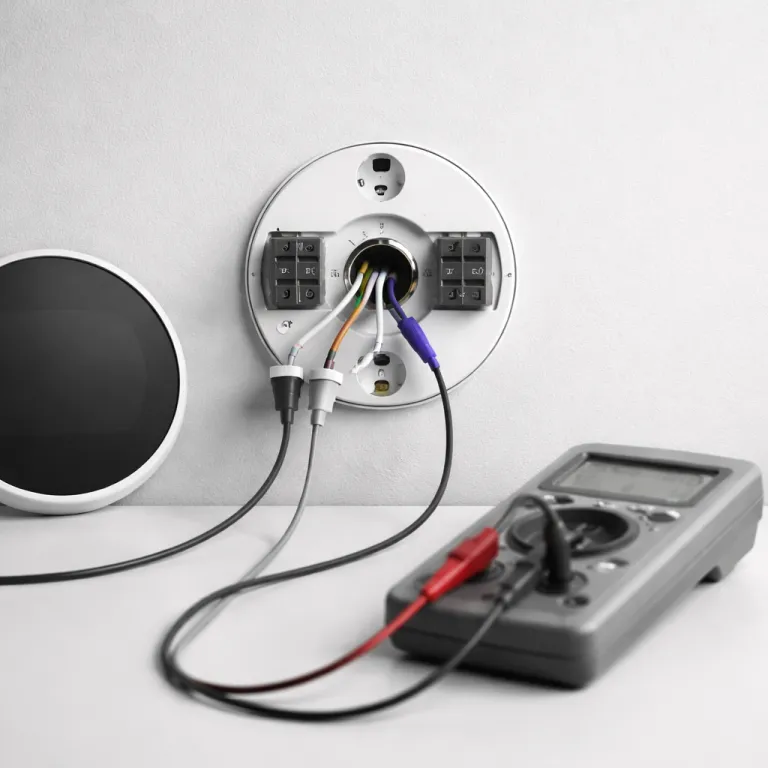

Why heat pump thermostat compatibility is about to get messy
Heat pump thermostat compatibility is shifting from niche concern to mainstream headache as more homes switch from furnace heating to electric pumps. With global heat pump systems projected to expand rapidly, every new smart thermostat installed on these systems becomes a potential failure point if the wiring and voltage systems are not checked carefully. For an energy conscious homeowner tracking every kilowatt hour, a miswired thermostat can quietly erase the savings you expected from that new heat pump.
Most premium smart thermostat models now advertise that they are thermostat compatible with heat pump systems, yet they do not all handle auxiliary stage heat or emergency heat in the same way. A Nest thermostat, an Ecobee Premium, and a Honeywell Home T9 can each manage heating cooling differently when a pump needs backup heat from electric strips or a stage furnace, and that difference matters on the coldest nights. If the thermostat wiring does not correctly map the stage heating and stage furnace wires, the system may run expensive electric heat when the pump could still carry the load.
The first trap is assuming that any smart thermostat compatible with a heat pump will automatically manage auxiliary heat efficiently. In practice, you must confirm how the thermostat treats stage heat and whether it lets you tune lockout temperatures or balance comfort against cost for both single stage and multi stage systems. Before you buy, read the installation manual and find the exact wording on auxiliary heat, emergency heat, and dual fuel logic rather than trusting a vague “heat pump compatible” badge.
O/B wire confusion and dual fuel logic in real homes
The second trap in heat pump thermostat compatibility hides in a single wire labelled O or B, which controls whether the pump switches between heating and cooling. Some manufacturers use the O wire to signal cooling mode while others use the B wire, and a smart thermostat that guesses wrong can reverse your seasons so that “heat” on the screen actually triggers cooling at the outdoor unit. That mistake does not just feel strange, it can hammer compressor efficiency and force the system into constant auxiliary heating.
Modern Nest thermostats, Ecobee models, and Emerson Sensi smart lines all ask during setup whether your O/B wire energizes in heating or cooling, yet many homeowners tap through those screens without understanding the stakes. If you own a dual fuel system that pairs a heat pump with a gas furnace heating backup, the logic becomes even more delicate because the thermostat must decide when to shut down the pump and hand off to the stage furnace. Only certain models, such as Ecobee Premium, Nest Learning Thermostat, and Emerson Sensi Touch smart thermostat, offer robust dual fuel controls with outdoor temperature lockout rather than crude time based switching.
When you install a Sensi Touch or similar smart thermostat on a dual fuel setup, you must confirm that the thermostat wiring includes a common wire for stable power and that the control menu exposes dual fuel and lockout settings. If your existing wiring bundle lacks a dedicated common, you may need an add on power extender kit or to contact local HVAC professionals to pull new wires so that the thermostat remains wire compatible with both the low voltage systems and the higher current demands of Wi Fi radios. For homes that also use Kozy Heat fireplaces or other secondary heating systems, pairing those appliances with a smart controller requires even more careful checks on which system compatible modes are allowed and how the thermostat prioritizes different heating sources.
Field checks, wiring photos, and models that get it right
The third trap is assuming that once the smart thermostat lights up, your heat pump thermostat compatibility problem is solved. A clean screen only proves that the thermostat has enough power, not that every wire is correctly assigned or that the system is truly compatible with all heating cooling modes. Before you even shop, take a clear wiring photo at the old thermostat so you can match labels, wires, and terminals against the new thermostat wiring diagram and verify that each wire compatible function has a home.
Among current models, Ecobee Premium stands out for handling auxiliary stage heat, O/B configuration, and dual fuel lockout in one interface, while Nest thermostats excel at learning schedules but require more care with O/B and common wire needs. Emerson Sensi smart and Sensi Touch thermostats offer a middle path, with straightforward apps and explicit prompts about single stage versus multi stage heat pump systems, though they sometimes need an extra common wire adapter on older wiring. When you compare these options, focus less on glossy app screenshots and more on whether the thermostat explicitly lists your system type, including voltage systems, number of stages, and whether a heat pump with gas backup is listed as system compatible.
After installation, run two simple field tests to confirm real heat pump thermostat compatibility rather than trusting the setup wizard. First, set the thermostat to heating and then to cooling while standing at the outdoor unit, checking that the pump runs in the correct mode and that the backup heat does not engage unnecessarily. Second, on a mild day, lower the setpoint slowly and listen for whether the system jumps straight to auxiliary or stage heat instead of letting the pump work alone, because that behaviour will show you whether your thermostat, wiring, and system are aligned to save money on the February gas or electricity bill, not just to show a pretty temperature on the wall.
For readers who want deeper technical context on how smart controls manage power draw and cycling, a detailed guide to dynamic power management in smart thermostats explains how advanced algorithms can trim peaks without sacrificing comfort. A separate walkthrough on the wiring photo you should take before you shop for a smart thermostat shows exactly which labels and wires matter most when you move from a basic thermostat to a fully smart thermostat on a complex heat pump system. Together, these resources underline a simple rule for energy focused homeowners ; the most important compatibility check is not the app interface, but the February gas bill.
Key statistics on heat pump and smart thermostat adoption
- Global heat pump market value is projected to reach tens of billions of dollars within a few years, driven by electrification policies and residential retrofits.
- Industry analyses report compound annual growth rates above 10 percent for heat pump systems, outpacing many other HVAC segments.
- Market research consistently shows that most new premium smart thermostats now include at least basic support for heat pump control.
- Consumer surveys indicate that a significant share of smart thermostat owners are unaware of whether their devices manage auxiliary or emergency heat correctly.
- Field audits by HVAC contractors frequently find misconfigured O/B wiring on heat pump thermostats, leading to inefficient heating and cooling cycles.
Questions homeowners also ask about heat pump thermostat compatibility
How can I tell if my existing thermostat is compatible with a heat pump ?
Check the wiring labels behind your current thermostat and look for terminals marked O, B, or O/B, which usually indicate a heat pump reversing valve control. If you see separate W and W2 terminals for heat along with Y and possibly Y2 for cooling, you may have a multi stage system that needs a more advanced smart thermostat. When in doubt, compare your wiring photo to the compatibility charts from major brands or contact local HVAC technicians to confirm system type before buying.
Do I really need a common wire for a smart thermostat on a heat pump system ?
Most modern smart thermostats require a common wire to provide continuous low voltage power for Wi Fi, sensors, and screens. Some models offer power extender kits that simulate a common connection, but these can be less stable on complex multi stage or dual fuel heat pump systems. If your bundle lacks a common, running a new wire or using a professional adapter module is usually the most reliable long term solution.
What happens if the O/B wire is set incorrectly on my thermostat ?
If the thermostat energizes the O/B wire in the wrong mode, the heat pump can run in cooling when you call for heat or vice versa. In practice, that often forces the system to rely heavily on auxiliary or emergency heat strips, which are far less efficient and can spike your electricity bill. Correcting the O/B setting in the thermostat configuration usually fixes the issue without any changes to the physical wiring.
Which smart thermostats handle dual fuel heat pump systems best ?
Ecobee Premium, Nest Learning Thermostat, and Emerson Sensi Touch are widely regarded as strong options for dual fuel setups because they support outdoor temperature based lockout and clear configuration of gas furnace backup. These models allow you to define when the heat pump should hand off to the furnace, balancing comfort against fuel cost. Always verify in the installation guide that your exact combination of stages and fuel types is listed as supported before purchase.
How can I test that my new thermostat is controlling the heat pump correctly ?
After installation, set the thermostat to heating and observe whether the outdoor unit runs and whether the indoor air warms gradually without immediate auxiliary heat. Then switch to cooling and confirm that the same outdoor unit operates in cooling mode and that no heat strips engage. If either mode behaves unexpectedly, revisit the wiring labels, O/B configuration, and system type settings or bring in a qualified technician for a safety and performance check.