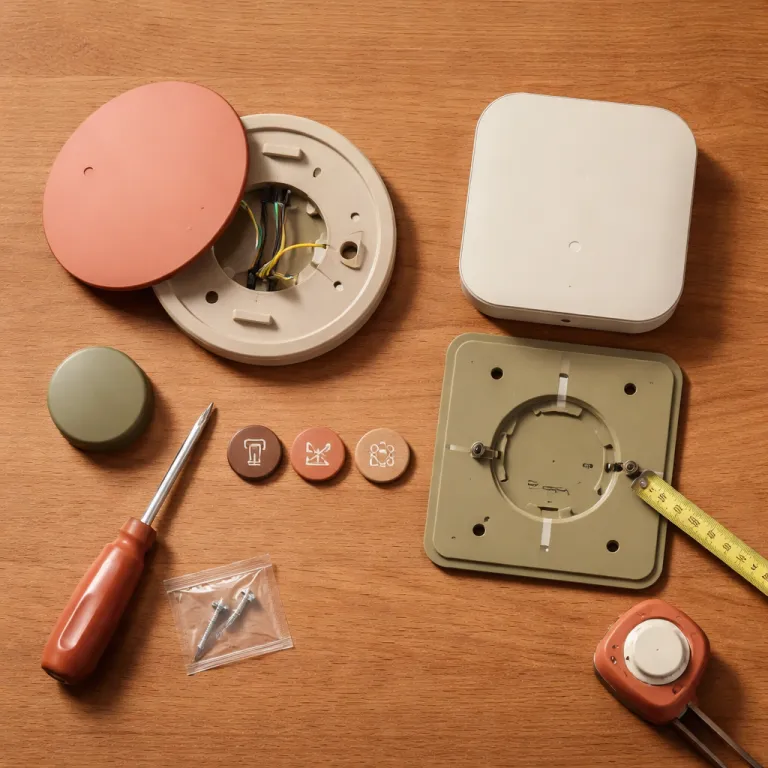

Nest vs ecobee: start with how much control you want
The real nest vs ecobee decision is not about glossy apps or shiny screens. It starts with whether you want a learning thermostat that quietly makes choices for you or a smart thermostat you can tune like a well set instrument. That single preference shapes how your thermostat, your HVAC systems, and your energy bills behave over time.
Google Nest Learning Thermostat leans hard into automation, using machine learning algorithms and a Soli radar presence sensor to build a schedule in about one week. This Nest learning approach watches when you adjust the temperature, tracks when your home is occupied, and then starts changing heating and cooling patterns without asking every time. For many homeowners this feels like a premium autopilot that aims for energy savings while keeping the room comfortable most of the day.
Ecobee Premium, the flagship ecobee smart thermostat model, takes a different path and expects you to be more of an active member in the process. You still get automation, eco mode, and smart recovery, but the interface makes manual control and schedule tweaks very transparent. If you like to see every temperature set point, every HVAC cycle, and how each remote sensor affects a room, Ecobee smart thermostats give you that visibility.
In daily use Nest feels like a thermostat experience that hides complexity behind a simple dial or ring. Ecobee feels more like a control panel that invites you to understand your HVAC systems and nudge them toward better energy savings when you have time. Neither philosophy is wrong, but they suit different personalities and different households.
Ask yourself how often you currently touch your old thermostat during a typical week. If you rarely adjust temperature and just want to save money without thinking, Nest Learning Thermostat or the more affordable Nest Thermostat will likely match your habits. If you already micromanage rooms and schedules, Ecobee Premium or Ecobee Smart Thermostat Enhanced will reward that attention with more precise control.
| Model | Control style | Learning features | Typical price range* |
|---|---|---|---|
| Nest Learning Thermostat (3rd gen) | Automation first, simple dial | Auto-Schedule, Home/Away Assist | Mid to upper price tier |
| Nest Thermostat | Guided schedules, app focused | Suggested schedules, presence sensing | Lower to mid price tier |
| Ecobee Premium | Manual plus automation, rich data | Smart recovery, occupancy based comfort | Upper price tier |
| Ecobee Smart Thermostat Enhanced | Similar to Premium, no built-in speaker | Smart recovery, schedule based | Mid price tier |
*Price ranges based on typical manufacturer suggested or common retail pricing at the time of writing; exact amounts vary by region and promotions.
How nest and ecobee handle rooms, sensors, and stubborn hot spots
The second nest vs ecobee question is brutally practical. Do you have one comfortable room and two miserable ones, or does your whole home stay within a narrow temperature band most of the time? Your answer decides how much you should care about remote sensors and multi room control.
Ecobee Premium ships with at least one SmartSensor remote sensor in the box and supports up to 32 extra sensors across different rooms. These tiny battery powered devices track temperature and occupancy, then let the smart thermostat average or prioritize specific rooms during heating and cooling cycles. In a long hallway ranch or a multi level house with a hot upstairs room, Ecobee smart thermostats can dramatically smooth out comfort.
Nest takes a lighter touch and relies more on phone based presence and the main thermostat sensor. While Nest does support optional Nest Temperature Sensors in some regions, its ecosystem is still built around the central Google Nest thermostat on the wall. That works well in smaller flats or compact homes where the thermostat location already reflects the average temperature fairly closely.
If your bedroom is freezing while the living room bakes, Ecobee Premium and its network of remote sensors give you more tools. You can tell the thermostat to prioritize the bedroom sensor at night, then switch to a home office room during the day. Over time this targeted control can improve comfort more than any single eco mode or generic Energy Star label.
For homes with fairly even temperatures, Nest Learning Thermostat or Nest Thermostat may be the best balance of simplicity and energy savings. The learning thermostat logic adjusts schedules based on your comings and goings, and the Soli sensor helps it know when the room is actually occupied. In that scenario extra sensors add less value than a clean interface and reliable automation.
One quiet contender here is the Honeywell Home T9 smart thermostat. Honeywell offers its own remote Smart Room Sensors and a strong focus on room by room control, sometimes at a lower price than either flagship model from Nest or Ecobee. If you want multi room sensing without committing to the full Ecobee Premium ecosystem, the Honeywell T9 can be the one scenario where Honeywell quietly wins.
Ecosystems, voice control, and where you already live digitally
The third nest vs ecobee question is about ecosystems, not wiring diagrams. You probably already use Google Assistant, Amazon Alexa, or the Apple HomeKit ecosystem somewhere in your home. Your existing smart speakers and apps should heavily influence which smart thermostat you choose.
Google Nest Learning Thermostat naturally fits best inside a Google Home setup, where the Google Home app and Google Assistant provide tight integration. Voice commands like changing the temperature, checking eco mode status, or asking about air quality feel native on Nest speakers and displays. If your household already leans on Google for calendars, Nest Cam security cameras, and Chromecast streaming, staying within that family reduces friction over time.
Ecobee Premium goes broader and builds Alexa directly into the thermostat, turning it into a wall mounted smart speaker. In testing reported by reviewers, Ecobee smart thermostats handled voice control with high reliability for basic commands, schedule changes, and remote sensor adjustments. If you already use Alexa heavily, Ecobee Premium acts as another always on microphone in a central room, which some people love and others avoid.
Apple users should look closely at HomeKit compatibility and how each thermostat behaves with Siri. Ecobee smart models have long been strong citizens in the Apple HomeKit world, with robust support for scenes and automations. Nest thermostats now work with Matter and can integrate more easily, but the experience still feels more native on Google hardware than on Apple devices.
Before you buy, map your current smart systems on a sheet of paper. List your speakers, displays, security cameras, and any other thermostats or sensors already installed in each room. Then choose the thermostat brand that reduces app hopping and makes voice commands feel natural instead of like a science project.
If you are still unsure which ecosystem to lean into, a detailed guide on choosing between Google Home and Apple Home for your smart thermostat can help clarify trade offs. That kind of comparison goes beyond marketing and looks at long term control, privacy, and how your HVAC systems respond to different platforms. Aligning your thermostat with your primary ecosystem usually pays off in fewer glitches and more consistent energy savings.
Compatibility, wiring, and the one place honeywell T9 beats them both
Under the glossy nest vs ecobee debate sits a dull but critical topic. Compatibility with your existing HVAC systems will decide whether installation takes 30 minutes or an entire weekend. Ignoring wiring details is the fastest way to turn a smart thermostat upgrade into a support call.
Both Nest Learning Thermostat and Ecobee Premium support common forced air furnaces, central air conditioners, and many heat pumps. They can usually handle one or two stage heating and cooling systems, and both brands publish detailed compatibility checkers online. According to manufacturer documentation, Nest and Ecobee cover most 24-volt low-voltage systems but do not work with high-voltage baseboard heaters.
| Thermostat | Supported HVAC types | C-wire options | Notable limitations |
|---|---|---|---|
| Nest Learning Thermostat | Most 24 V furnaces, AC, many heat pumps | Can run without C wire on some systems | Not for high-voltage baseboard or line-voltage |
| Nest Thermostat | Similar 24 V low-voltage HVAC support | Optional C wire recommended for stability | Limited support for complex multi-stage setups |
| Ecobee Premium | Most 24 V furnaces, AC, many heat pumps | Includes Power Extender Kit when C wire is absent | Not compatible with high-voltage baseboard systems |
| Honeywell Home T9 | Broad 24 V support, including many older systems | Uses adapter or C wire depending on wiring | Still unsuitable for true line-voltage heaters |
Ecobee smart thermostats often include a Power Extender Kit that helps when a C wire is absent. Nest thermostats can sometimes run without a C wire by power stealing, but that can cause intermittent HVAC control issues on certain systems. In marginal cases, running a new C wire or using a dedicated transformer is the best long term fix.
This is where the Honeywell Home T9 quietly wins for a specific slice of homeowners. Honeywell has decades of experience with quirky HVAC systems, and the T9 often plays more nicely with older equipment and complex multi stage setups. If your current thermostat wiring looks like a museum exhibit, a Honeywell thermostat may reduce headaches compared with either flagship model from Nest or Ecobee.
Before buying, pull your existing thermostat off the wall and photograph the wiring. Count how many conductors are used, note labels like R, W, Y, G, and C, and check whether you have accessories such as humidifiers or ventilation systems. Matching those details against each brand’s compatibility tools will tell you whether Nest, Ecobee, or Honeywell is the best fit.
For more technical readers, understanding how relay technology supports reliable smart thermostat control can also be helpful. A deeper explanation of how double pole double throw relay designs protect HVAC systems from short cycling and voltage spikes shows why some thermostats behave more reliably over time. That kind of background knowledge turns a confusing spec sheet into a clear decision about long term durability.
Comfort, energy savings, and what the numbers really mean
Marketing around nest vs ecobee often shouts about percentages. Nest Learning Thermostat claims around 10 to 12 percent savings on heating and about 15 percent on cooling for typical users, based on Google’s reported field data from real homes. Ecobee Premium cites up to roughly 23 to 26 percent savings based on data from millions of deployed units over time, according to Ecobee’s own analysis of customer usage.
Those energy savings numbers are real but heavily dependent on your starting point. If you already run tight schedules on a basic thermostat and keep your temperature modest, the jump to a smart thermostat will be smaller. If you currently leave heating and cooling running all day at one fixed temperature, either Nest or Ecobee can save money quickly.
Eco mode features on both brands help by automatically relaxing set points when you are away. Nest uses phone location and its built in sensor to decide when to enter eco mode, while Ecobee smart thermostats lean more on remote sensors and schedule logic. In both cases the thermostat tries to balance comfort in occupied rooms with reduced energy use elsewhere.
Energy Star certification on many Nest and Ecobee models signals that they meet independent efficiency criteria. That label does not guarantee a specific euro or dollar amount of savings, but it does confirm that the thermostat supports features like scheduling, temperature setbacks, and smart recovery. Used properly, those tools can trim your gas or electricity bills without sacrificing comfort in your main room.
Air quality monitoring is another premium feature that matters more than it first appears. Ecobee Premium includes built in air quality sensors that can nudge ventilation or remind you about filter changes, while some Google Nest thermostats integrate with separate air quality monitors. Over time better air quality and stable temperature can make your home feel more comfortable even if the thermostat rarely calls attention to itself.
When you evaluate savings claims, focus less on the percentage and more on how the thermostat will change your daily habits. A learning thermostat that actually runs in eco mode when you are gone will do more than a high end model that stays in manual hold all year. The real test is not the app interface, but the February gas bill.
Buying checklist: choosing the best smart thermostat for your home
By now the nest vs ecobee debate should feel less abstract. You are not choosing a logo, you are choosing how your home will feel at six in the morning on a cold day. A short checklist can turn all these details into a clear decision.
First, decide where you sit on the automation spectrum between Nest learning and Ecobee smart control. If you want a thermostat that quietly learns and rarely needs input, Nest Learning Thermostat or the entry level Nest Thermostat are strong candidates. If you prefer explicit schedules, detailed room data, and direct control over every remote sensor, Ecobee Premium or Ecobee Smart Thermostat Enhanced will feel more transparent.
Second, walk through your home and note any problem room where temperature feels off by several degrees. Homes with big swings between floors or long distances from the thermostat benefit most from Ecobee smart thermostats and their remote sensors. More balanced homes can lean on a single thermostat sensor without sacrificing comfort or energy savings.
Third, map your digital ecosystem and voice control habits. Heavy Google Assistant users will find Nest integration smoother, while Alexa households often appreciate Ecobee Premium with its built in microphone and strong voice commands support. Apple focused homes should weigh HomeKit reliability and how each thermostat behaves inside scenes and automations.
Fourth, verify compatibility with your HVAC systems, including any heat pumps or accessories. If your wiring is unusual or your system is older, compare Nest, Ecobee, and Honeywell T9 support carefully before committing. When in doubt, a quick consultation with an HVAC professional can prevent expensive mistakes and protect your equipment over time.
Finally, consider how much you value extras like air quality monitoring, on device voice control, and industrial design. Some homeowners want a discreet dial that fades into the wall, while others like a full color display acting as a smart home hub in a central room. Matching those preferences to the right thermostat means your upgrade will feel satisfying long after the novelty of the app wears off.
Key figures on smart thermostats, nest, and ecobee
- Nest Learning Thermostat typically builds an automatic schedule in about one week of regular use, which allows it to start optimizing heating and cooling patterns quickly, according to Google’s published performance summaries.
- Google has reported average savings of roughly 10 to 12 percent on heating and about 15 percent on cooling for Nest Learning Thermostat users compared with constant set points, based on aggregated field data from real households.
- Ecobee has cited up to approximately 23 to 26 percent energy savings on heating and cooling for Ecobee smart thermostat users, based on aggregated data from more than two million installations analyzed in its internal reports.
- Ecobee Premium supports up to 32 additional remote sensors, which can significantly improve comfort in multi room or multi level homes with uneven temperatures, as documented in Ecobee’s product specifications.
- Independent testing of Ecobee voice control reported by reviewers has shown high reliability, with success rates above 90 percent for basic commands and schedule modifications in typical home environments.
FAQ about nest vs ecobee and smart thermostats
Is Nest or Ecobee better for saving money on energy bills ?
Both Nest Learning Thermostat and Ecobee Premium can reduce energy use significantly compared with an unmanaged manual thermostat. Nest leans on learning algorithms and eco mode to trim waste, while Ecobee smart thermostats use detailed schedules and remote sensors to avoid overheating or overcooling empty rooms. In practice, the best savings come from the thermostat that fits your habits well enough that you actually use its automation features consistently.
Which smart thermostat works best with Alexa, Google Assistant, and Apple Home ?
Nest thermostats integrate most deeply with Google Assistant and the Google Home ecosystem, making them a natural choice for households already invested in Google Nest speakers and displays. Ecobee Premium includes built in Alexa and offers strong support for both Alexa and Apple HomeKit, which suits homes that mix Alexa and Apple devices. If you use all three platforms, Ecobee smart thermostats often provide the most balanced cross ecosystem compatibility.
Do I really need remote sensors for my smart thermostat ?
Remote sensors matter most in homes where some rooms are consistently hotter or colder than the thermostat location. Ecobee Premium and other Ecobee smart models shine here because they can average or prioritize temperatures from multiple rooms, improving comfort without constant manual control. In smaller or more evenly heated homes, a single thermostat sensor may be enough, and Nest Learning Thermostat can perform very well without extra hardware.
Can Nest and Ecobee work with older HVAC systems and heat pumps ?
Both Nest and Ecobee support a wide range of modern furnaces, air conditioners, and many heat pumps, but older or unusual systems require more care. Checking your wiring labels and using each brand’s compatibility tools is essential before buying any high end model. If your system is especially complex or lacks a C wire, a Honeywell T9 or a professional installation may provide a more reliable path.
How long does it take to feel the benefits of a smart thermostat upgrade ?
Most homeowners notice comfort improvements within the first week as Nest or Ecobee begins to follow a more consistent schedule. Energy savings typically become clear after one or two billing cycles, especially if you enable eco mode, use appropriate temperature setbacks, and let the smart thermostat manage heating and cooling automatically. Over a full year, those small optimizations can add up to meaningful reductions in both energy use and monthly costs.