How demand response thermostat programs really work across the United States
Think of a demand response thermostat program as a simple agreement with your utility. You allow the company to briefly adjust your smart thermostat during peak demand events, and in return you receive bill credits, seasonal rewards, or direct payments. The goal is straightforward but powerful: these demand response programs reduce strain on the electric grid while helping you save energy without sacrificing day‑to‑day comfort.
Across the United States, utilities run hundreds of demand response initiatives that quietly turn smart thermostats and other connected devices into a virtual power plant. When air conditioning loads spike on a hot afternoon, a participating smart thermostat can pre‑cool your home, then ease back the air conditioning compressor for an hour while indoor air stays tolerable. That coordinated response can reduce electricity usage enough to avoid firing up the dirtiest peaker plants, which is why utilities are willing to pay for your participation and why the best programs deliver real, measurable savings.
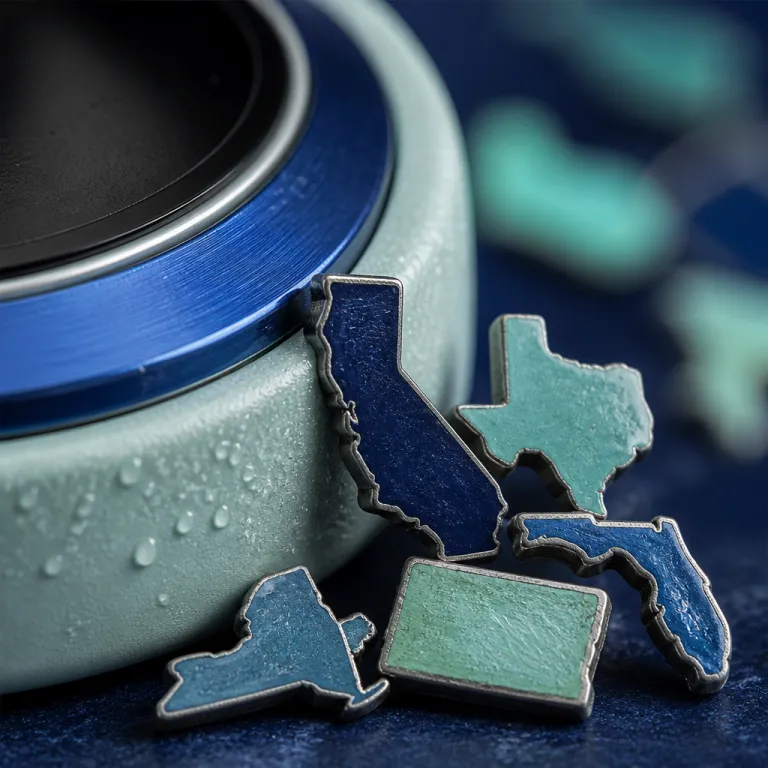
Most offerings still focus on summer peak demand, but winter peaks are rising fast in colder states that rely heavily on electric heat pump systems. A demand response thermostat by state map now shows the Northeast and parts of the Midwest offering strong rewards for both heating and cooling seasons. If you want to save energy and reduce energy consumption meaningfully, the right smart thermostat in the right state can outperform many traditional energy efficiency upgrades in terms of payback and grid impact.
Where the money is: high paying response programs by state and region
Payouts for demand response thermostat programs vary widely by region, and the spread matters more than any glossy marketing brochure. In the Northeast United States, ConnectedSolutions programs from utilities such as Eversource and National Grid routinely pay in the range of roughly $40 to $100 per season for qualifying smart thermostats, based on performance during control events documented in their public program guides and demand response filings (for example, Eversource MA ConnectedSolutions Residential Thermostat Program Manual, 2023; National Grid MA ConnectedSolutions Program Overview, 2022). Those response programs often run both summer and winter events, so a single smart thermostat can generate several hundred dollars in rewards over a few years while it quietly helps reduce peak demand on the grid.
On the West Coast, California stands out, but not uniformly, because each utility structures its program differently and the details shape your real savings. PG&E’s SmartAC‑style program can reach up to about $75 to $200 annually in incentives when you allow your air conditioning to be controlled during high demand periods, according to PG&E SmartAC tariff sheets and 2022–2023 program descriptions, and similar demand response efforts in other parts of California and Texas sometimes bundle bill credits with one‑time enrollment bonuses documented in their rate schedules. In the South, Santee Cooper in South Carolina offers around a $50 to $75 enrollment incentive plus roughly $50 each year you stay in the program, while TVA EnergyRight in the Tennessee Valley region has offered about $50 to $100 in marketplace credits for eligible smart devices including smart thermostats and other energy efficient equipment, according to 2021–2023 public program overviews and marketplace eligibility lists.
By contrast, many Mountain West and Plains utilities still run modest demand response pilots that pay far less, sometimes just small bill credits per event such as $5 to $10 per season, as reflected in 2022–2023 bill inserts and pilot descriptions from regional cooperatives. A homeowner comparing the same smart thermostat in Massachusetts versus a similar home in Texas or Colorado will see very different lifetime rewards, even with identical energy usage and air conditioning patterns. That is why any serious buying guide on energy savings and efficiency must treat demand response thermostat by state differences as a core part of the value calculation, not an afterthought buried in the fine print of a program report.
For readers who want a deeper dive into how thermostat behavior affects comfort during these events, a detailed comparison of Nest and Ecobee comfort performance over multiple seasons is available in this analysis of long term smart thermostat comfort differences. That kind of real‑world testing matters when your utility is nudging setpoints on the hottest or coldest days. A demand response thermostat by state may pay differently, but comfort trade‑offs feel the same in every zip code.
| State / Region | Example utility program | Typical annual incentive range (USD) | Source type |
|---|---|---|---|
| Massachusetts (MA) | ConnectedSolutions (Eversource, National Grid) | $80–$200 | 2022–2023 utility program pages and demand response filings |
| New York (NY) | Con Edison Smart Usage Rewards | $50–$185 | 2022 official thermostat program terms and rate schedules |
| California (CA) | PG&E SmartAC and similar offerings | $50–$200 | 2021–2023 utility marketplace listings and SmartAC tariffs |
| Texas (TX) | Retail electric provider thermostat programs | $25–$150 | 2021–2023 provider program PDFs and demand response riders |
| South Carolina (SC) | Santee Cooper Smart Thermostat Program | $50–$125 | 2022 public program overview and enrollment forms |
| Tennessee Valley region | TVA EnergyRight Marketplace offers | $50–$100 | 2021–2023 TVA EnergyRight device eligibility lists |
| Mountain West / Plains | Various small demand response pilots | $5–$40 | 2022–2023 utility pilot descriptions and bill inserts |
Devices that qualify: the five thermostat families and key hardware choices
Most utilities keep their approved device lists short, which simplifies support but limits your options. Right now, five thermostat families dominate demand response programs across the United States, namely the Google Nest Learning Thermostat line, Ecobee Smart Thermostat Premium models, Honeywell Home T9 WiFi Smart Thermostat units, Sensi Touch Smart Thermostat devices, and Carrier Côr smart thermostats. If you want to participate in response programs and earn rewards, starting with one of these smart thermostats is usually the safest path.
Each of these smart thermostat families supports Wi‑Fi connectivity, remote control, and some level of learning or scheduling that helps you save energy even outside demand response events. The Nest Learning Thermostat leans heavily on automation, while Ecobee Smart Thermostat Premium layers in room sensors that track temperature and occupancy to reduce energy usage in unoccupied spaces, and Honeywell Home T9 plus Sensi Touch focus on straightforward controls that feel familiar to people upgrading from non‑connected thermostats. Carrier Côr thermostats integrate tightly with compatible heat pump systems and air conditioning equipment, which can improve energy efficiency but sometimes locks you into a specific HVAC brand.
Before you buy, check whether your utility runs a bring‑your‑own‑device program or offers a free or discounted thermostat. A utility‑provided thermostat can be cheaper upfront but may lag behind the best smart devices in app quality or smart home integrations, while a bring‑your‑own‑device program lets you choose a model that fits your wiring, your air conditioning system, and your comfort preferences. If you are unsure whether a non‑programmable unit is holding you back, this guide on understanding the limitations of non programmable thermostats explains why modern smart thermostats often unlock both better comfort and better energy savings.
Enrollment timing, opt out rules, and the fine print that shapes savings
Signing up for a demand response thermostat program is not just a checkbox in an app, because timing and rules can quietly cap your earnings. Some utilities in the United States, such as Con Edison in New York, require enrollment by late spring to qualify for summer reward periods, while others allow rolling enrollment but only pay full bill credits if you join before the first peak demand events. Miss the window and your smart thermostat still helps the grid, yet your rewards may shrink to a token amount.
Opt‑out rules matter just as much as enrollment dates, and they are often buried in the program terms that few people read carefully. Many response programs allow you to override a control event a limited number of times per season before you lose part or all of your rewards, so repeatedly cranking the air conditioning back down during a heat wave can erase the savings you expected. A typical structure might allow three or four opt‑outs while still paying full incentives, then reduce energy bill credits if you skip more events, which means you should understand your own comfort tolerance before you sign up.
Virtual power plant aggregators are reshaping these rules, because they coordinate thousands of thermostats, heat pump systems, and even smart water heaters across multiple utilities. Instead of each utility running a small standalone program, aggregators can bid a large block of flexible energy consumption into wholesale markets, which often supports richer rewards for homeowners who participate in demand response. If you care about long‑term energy efficiency and want to save energy without constant micromanagement, choosing a smart thermostat that is compatible with these emerging platforms can future‑proof your setup more than any single‑season promotion.
For a nuanced look at how dimming‑style control and partial load reductions feel in real homes, this explainer on the benefits of a dimming thermostat shows why gradual adjustments usually protect comfort better than abrupt shutoffs. That same principle applies when your utility trims air conditioning output during a peak demand event. The best smart thermostats manage those transitions so you notice the lower bill, not the brief temperature bump.
State by state value: Massachusetts versus Texas and how to run the numbers
To see why demand response thermostat by state differences matter, compare a typical Massachusetts home with a similar house in Texas. In Massachusetts, a ConnectedSolutions participant with an Ecobee Smart Thermostat Premium or Nest Learning Thermostat might earn roughly $80 to $200 for summer events and a similar amount for winter, especially if they allow both heating and air conditioning adjustments. Over several years, those rewards can rival the purchase price of the smart thermostat while also delivering ongoing energy savings from better scheduling and automation.
Now move that same smart thermostat and the same energy usage profile to a Texas utility territory with a leaner demand response program. Some utilities in California and Texas offer solid incentives, but others pay only modest bill credits per event or cap annual rewards at a much lower level than their Northeast counterparts, even though peak demand and air conditioning loads are intense. In that scenario, the smart thermostat still helps you save energy and reduce energy consumption, yet the direct financial rewards from the demand response program might cover only a fraction of the device cost over its life.
When you run the numbers, treat rewards as a bonus layered on top of baseline energy efficiency gains. A good smart thermostat can trim overall energy consumption by tightening schedules, coordinating with a heat pump, and avoiding unnecessary air conditioning runtime, which reduces both peak demand and shoulder season waste. The smartest buying move is to choose a model from the five major thermostat families that fits your HVAC system, then check your utility’s program report or marketplace to see whether you can participate in demand response and stack bill credits, marketplace discounts, and long‑term energy savings into one coherent plan.
Buying checklist: matching your home, your state, and your comfort level
Before you buy any smart thermostat, start with your wiring and HVAC inventory. Confirm whether you have a conventional furnace and air conditioning split system, a heat pump, or a more complex setup with multiple stages or accessories such as humidifiers and smart water heaters, because not every thermostat supports every configuration. Once you know your equipment, you can narrow the list of compatible smart thermostats from Nest, Ecobee, Honeywell T9, Sensi Touch, and Carrier Côr that will actually control your devices safely.
Next, pull up your utility’s website and search for demand response or smart thermostat programs by name. Look for three things in the fine print, namely the size of the rewards or bill credits, the number of events per season, and the opt‑out rules that govern how often you can override a control event without losing incentives, because those details determine whether the program meaningfully helps you save energy. If you live in a high‑paying region such as parts of the Northeast United States or certain California territories, a demand response thermostat by state analysis will likely show that enrolling in these programs can accelerate payback dramatically.
Finally, be honest about your comfort preferences and household routines. If you run air conditioning hard all summer and hate temperature swings, choose a smart thermostat with strong learning features and room sensors so it can pre‑cool and smooth out demand response events while still reducing energy usage overall. The real test of a demand response setup is not the app interface, but the winter and summer bills that arrive after a season of quiet, automated adjustments to your energy consumption.
FAQ
How does a demand response thermostat actually reduce my energy bill ?
A demand response thermostat reduces your bill in two ways. First, it trims energy usage during peak demand events by slightly raising cooling setpoints or lowering heating setpoints, which directly cuts electric consumption. Second, many programs pay bill credits or rewards for participation, so you receive financial compensation on top of the underlying energy savings.
Can I still control my air conditioning during a demand response event ?
Yes, you can always override a demand response event from the thermostat or app. However, most programs limit how many times you can opt out before losing part of your rewards for that season. It is wise to reserve overrides for the most uncomfortable days so you keep both comfort and incentives.
Do all smart thermostats qualify for utility demand response programs ?
No, only certain models are approved for most utility programs. The five major families that commonly qualify are Nest Learning Thermostat, Ecobee Smart Thermostat Premium, Honeywell Home T9, Sensi Touch Smart Thermostat, and Carrier Côr smart thermostats. Always check your utility’s approved devices list before buying if demand response rewards are important to you.
Is a demand response program worth it if my utility pays very little ?
Even modest programs can be worthwhile if they do not disrupt your comfort. The main value of a smart thermostat still comes from everyday energy efficiency, such as better scheduling and reduced waste. If rewards are small, treat them as a bonus rather than the primary reason to participate.
What happens if I move to another state after installing a smart thermostat ?
Your smart thermostat will continue to work normally in the new home, but the available demand response options may change. Some states and utilities offer generous programs, while others provide limited or no incentives. When you move, check the new utility’s website to see whether you can enroll the same device in a different program.