How power extenders and adapters work with your HVAC system
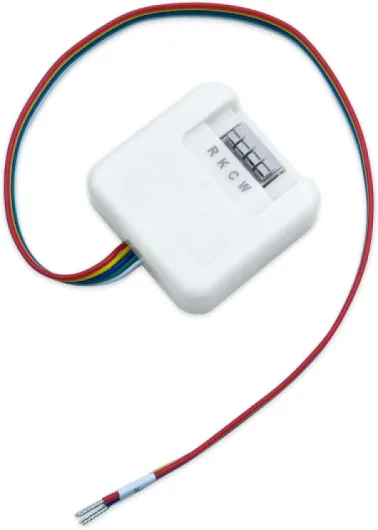
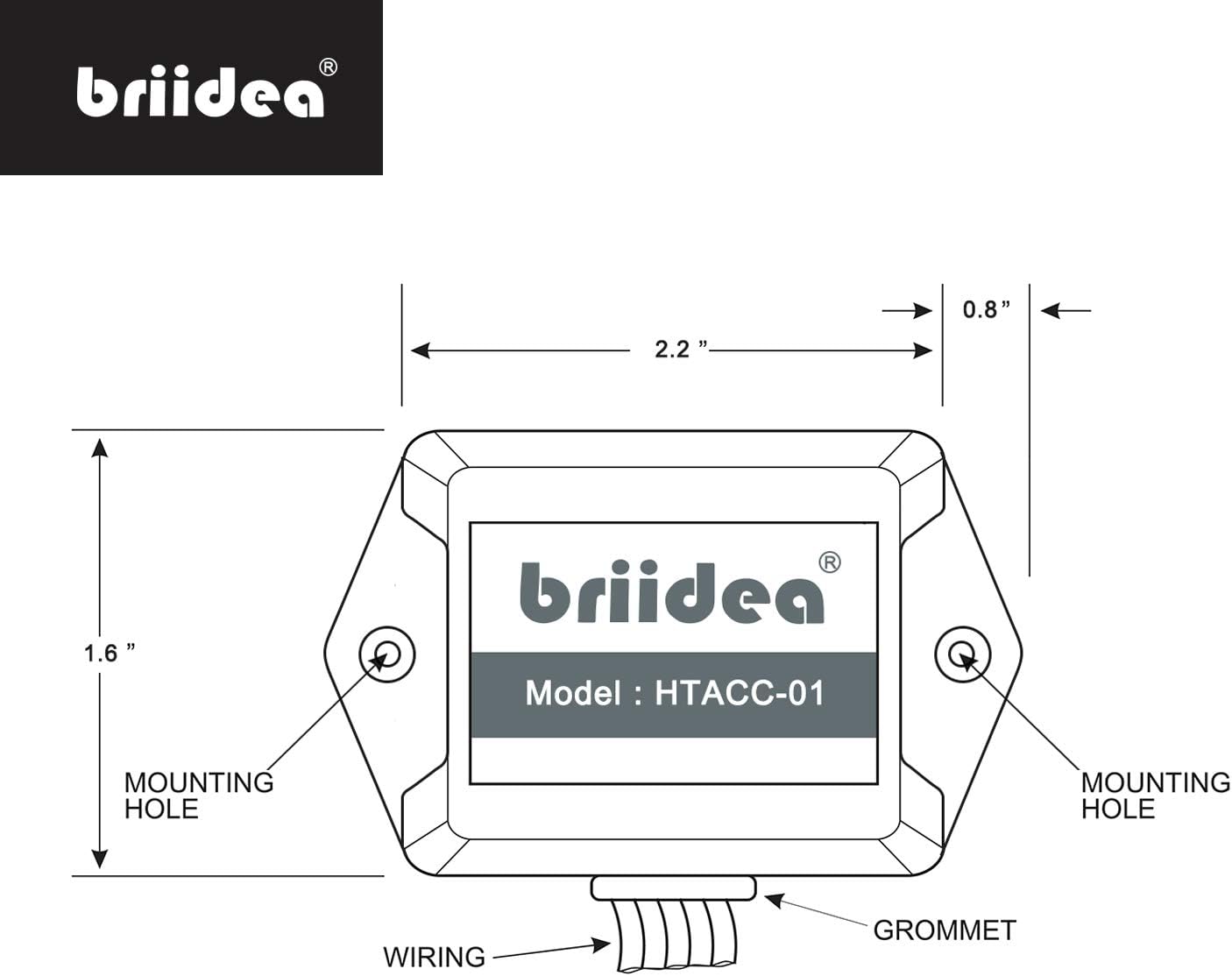
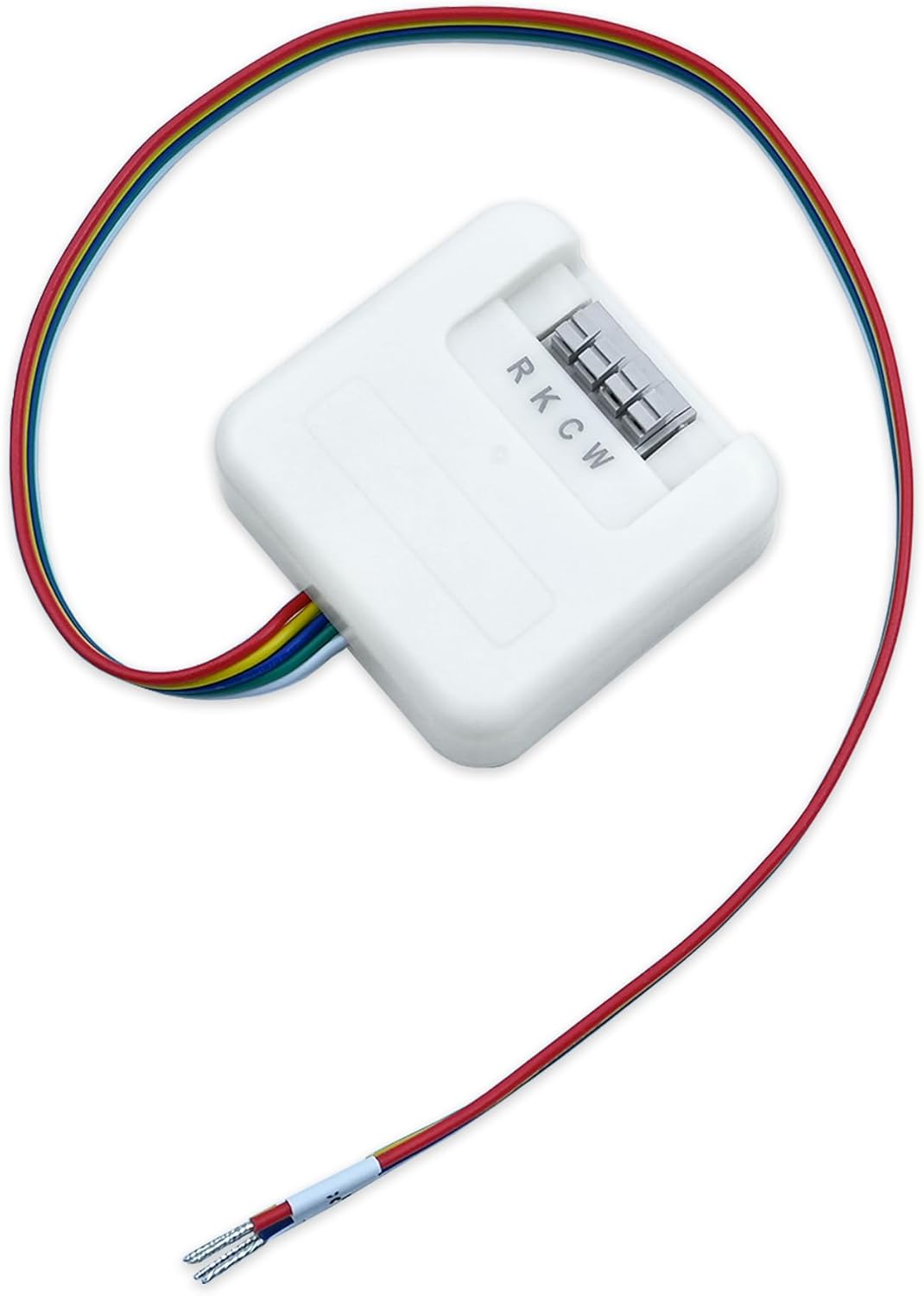
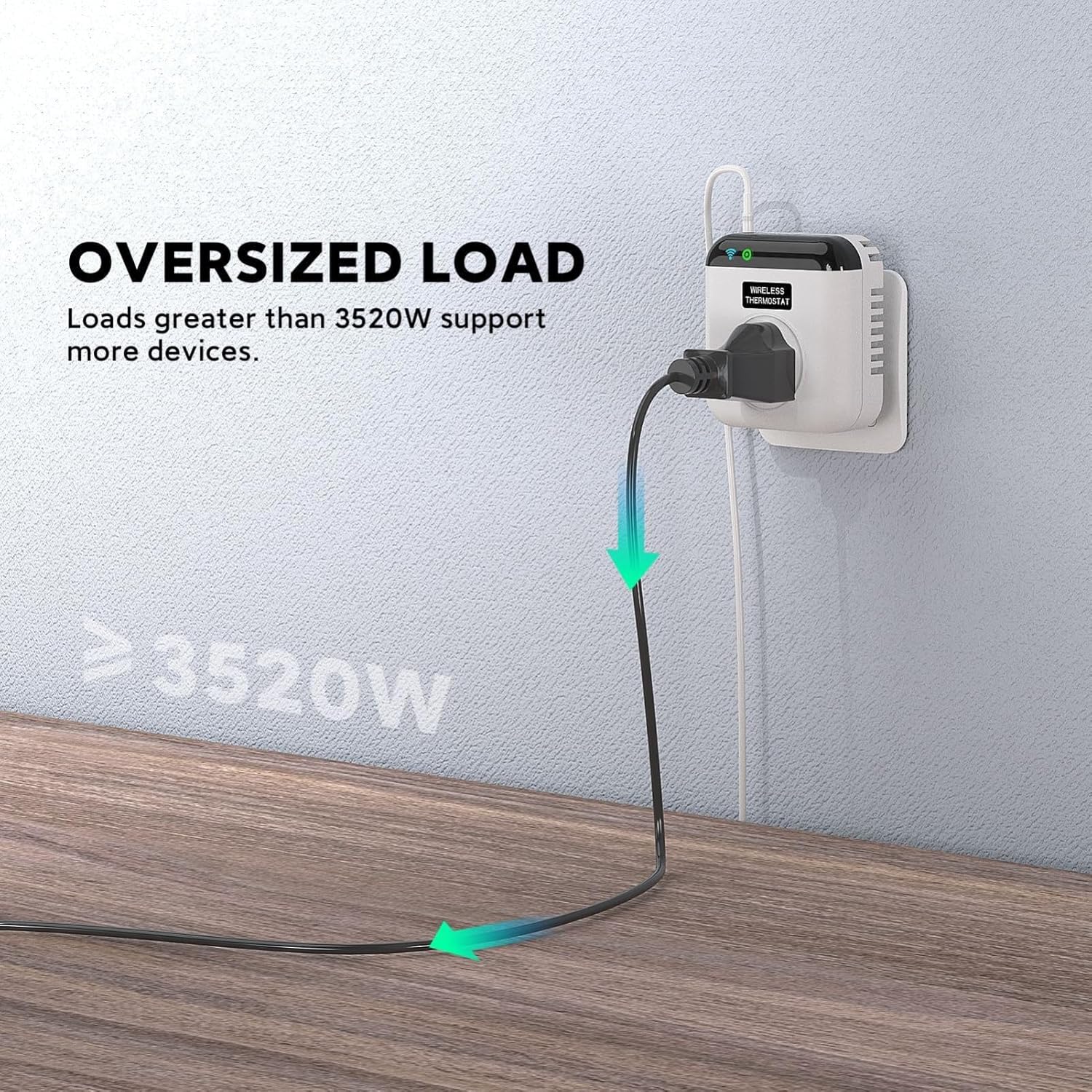
A smart thermostat wiring adapter, sometimes called a power extender kit, usually mounts near the furnace or air handler. It connects to the control board where the thermostat wire bundle terminates, then reassigns or adds conductors so the smart thermostat receives both control signals and constant power. This small adapter lets the thermostat manage heat, cooling, and fan modes without stealing power from other wires.
In a typical HVAC system with a heat pump, the adapter bridges the gap between older low-voltage wiring and the demands of smart thermostats. It ensures that the power for the display, Wi‑Fi, and sensors does not interfere with compressor or fan relays, which protects both the thermostat and the control board. When installed correctly, a wire adapter can stabilize temperature control and reduce short cycling of heat pumps or conventional furnaces.
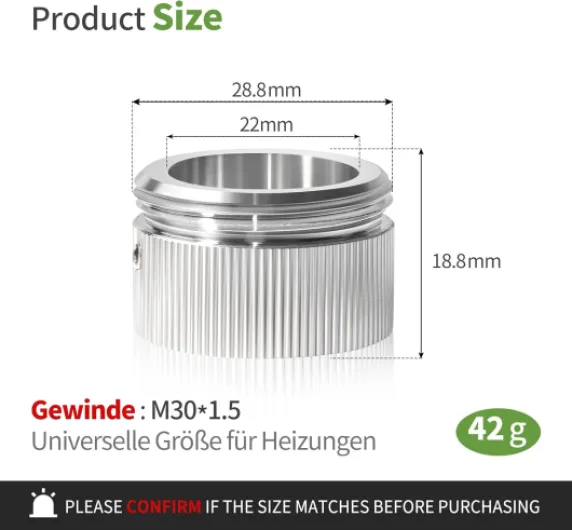
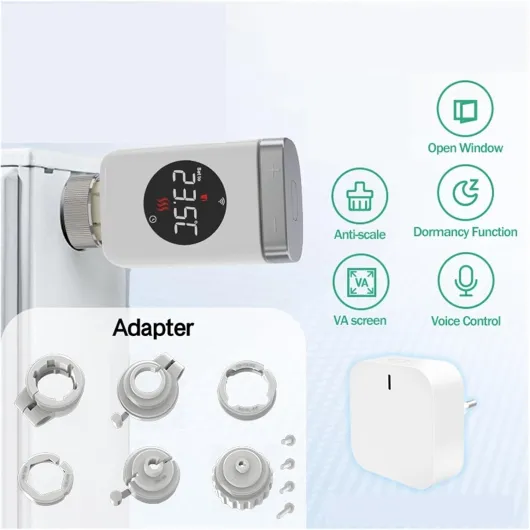
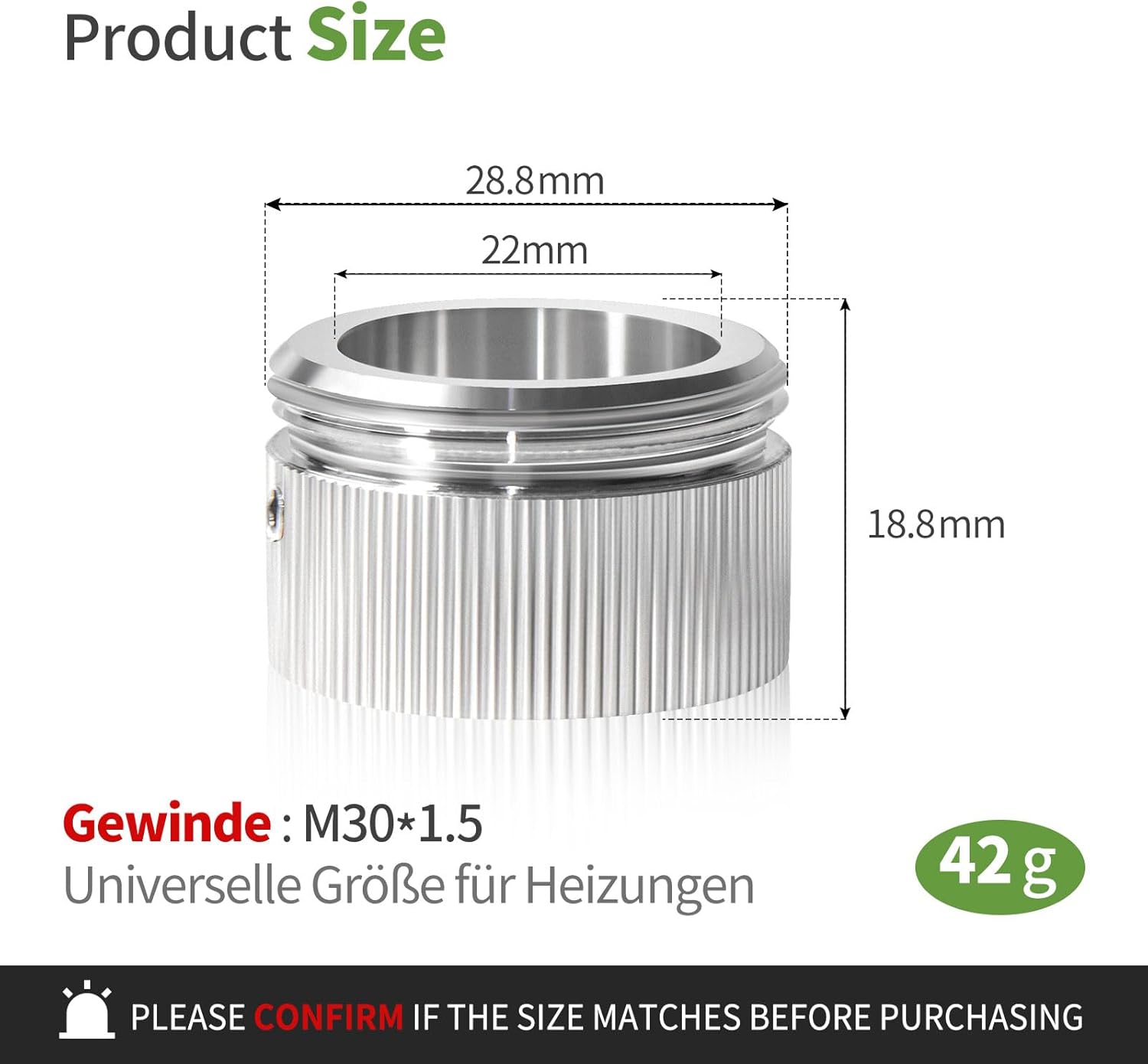
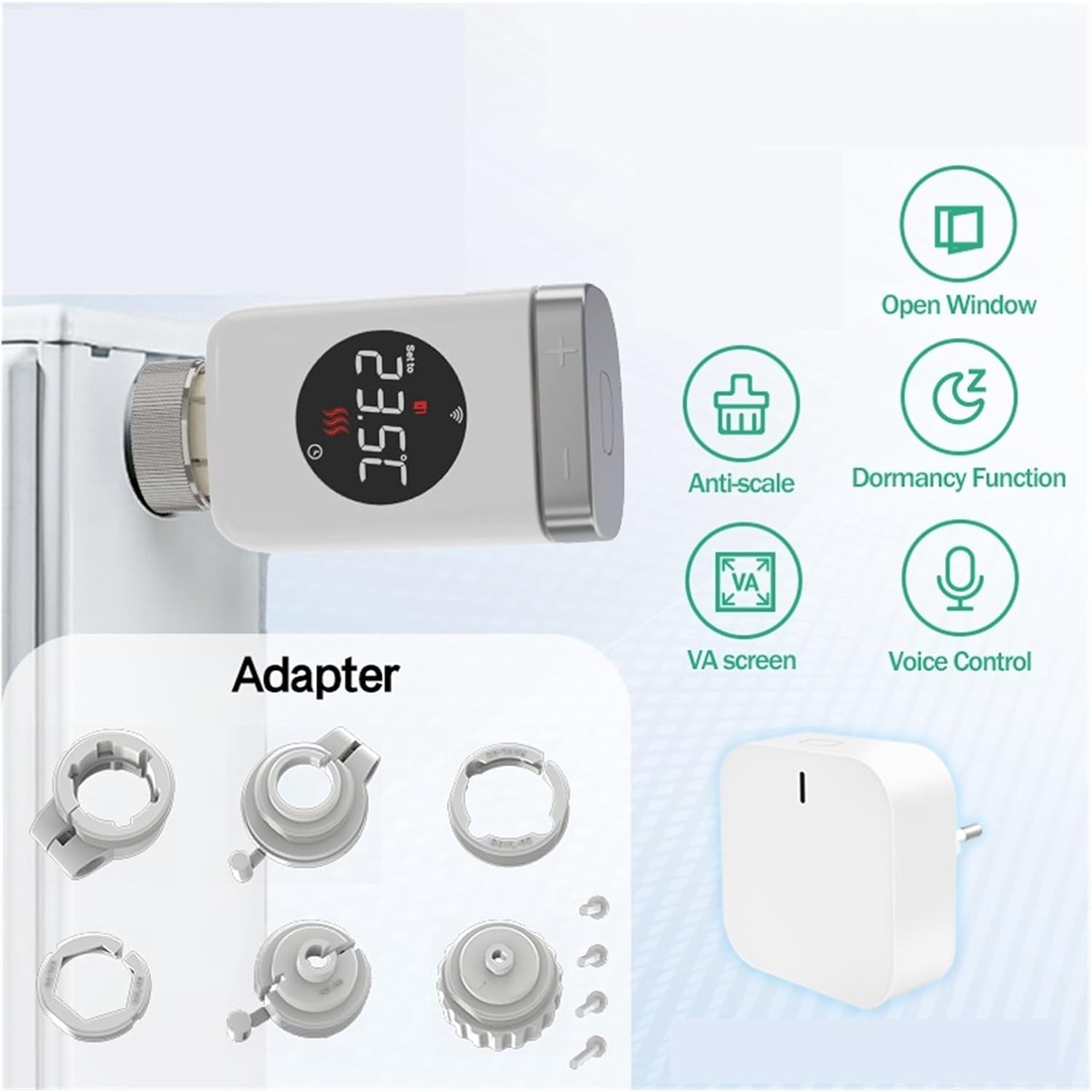
Some radiator and valve systems also need mechanical adapters to match thermostat heads to existing fittings, such as a stainless steel heating valve adapter for European-style radiators. A detailed product test of a radiator thermostat valve adapter shows how precise sizing avoids leaks and maintains efficient heating and cooling performance. While these parts do not carry electrical power, they complement wiring adapters by ensuring that every smart thermostat or smart valve can physically control the heat source.
Comparing the main brands of smart thermostat wiring adapters
Most major smart thermostat brands now ship their own power extenders or sell them as accessories. Ecobee Smart Thermostat Premium models often include an Ecobee Smart power extender kit, which connects directly to the HVAC system control board and converts four thermostat wires into a five-wire configuration. Google Nest and Nest Learning Thermostat models rely on either a true C wire or a compatible wire adapter from third parties when the existing cable is limited.
Honeywell smart thermostats, including ENERGY STAR certified models, usually support both traditional C wire connections and add-on power modules. These adapters are designed to maintain stable power while the thermostat manages temperature, heat, and cooling stages across complex HVAC systems with multiple heat pumps or zones. Mysa Smart thermostats for electric baseboards and in-floor heating often avoid low-voltage wiring entirely, but they still rely on solid power connections and may need separate sensors or relays for advanced control.
For shoppers comparing the best smart thermostat wiring adapters, it helps to review independent roundups that test compatibility, ease of installation, and long-term reliability. A curated guide to the top smart thermostat wiring adapters can highlight which models pair best with Ecobee, Nest, Honeywell, or Amazon Smart thermostats. Paying attention to adapter design, warranty, and price often matters more than brand loyalty when the goal is stable power and accurate temperature control.
Key buying criteria: power, compatibility, and total cost
When evaluating the best smart thermostat wiring adapters, start with compatibility. The adapter must match both the smart thermostat brand, such as Ecobee, Nest, Honeywell, or Mysa, and the HVAC system type, whether it is a single-stage furnace, multi-stage heat pump, or combined heating and cooling unit. Checking the wiring diagram for the thermostat and the control board avoids guesswork and protects the system from miswired power connections.
Power handling is the next critical factor, because a weak or poorly designed adapter can cause flickering screens, random reboots, or lost connections to Amazon Alexa and Google Nest smart speakers. Look for adapters that clearly state support for continuous power draw from Wi‑Fi radios, learning algorithms, and built-in sensors, especially in thermostat premium models with large color displays. ENERGY STAR certified smart thermostats often publish detailed electrical requirements, which makes it easier to match them with a suitable wire adapter or power extender kit.
Price should be considered in context rather than as a single number. A low-price adapter that fails early or causes intermittent thermostat wire faults can lead to expensive service calls and wasted energy. Spending slightly more on the best smart thermostat wiring adapters usually pays off through stable operation, accurate temperature control, and better integration with Amazon smart home ecosystems.
Installation, safety, and real world performance
Most wiring adapters are designed for low-voltage circuits, but safety still matters. Always cut power to the furnace or air handler at the breaker before touching any thermostat wire or control board terminal, then label each wire clearly to match the new adapter diagram. If the HVAC system includes multiple heat pumps or complex zoning, hiring a qualified technician is often the best choice.
In real homes, the performance of smart thermostats depends heavily on stable power and accurate sensors. A well-installed wire adapter keeps voltage steady so the smart thermostat can track temperature, humidity, and sometimes air quality without interruption, which improves both comfort and energy efficiency. When the thermostat can run its learning thermostat algorithms continuously, it builds better schedules and coordinates with motion detection or passive infrared sensors to reduce wasted heat.
Homeowners who integrate smart thermostats with Amazon Alexa or Google Nest speakers often notice that voice commands work more reliably once wiring issues are resolved. Stable power ensures that the thermostat responds quickly to requests to change heat settings, check temperature, or switch between heating and cooling modes. Over time, this reliability reinforces trust in the smart system and encourages deeper use of energy-saving features.
Beyond wiring: sensors, motion detection, and system optimization
Once the best smart thermostat wiring adapters are in place, the next frontier is optimization. Many smart thermostats support remote sensors that measure temperature and occupancy in different rooms, which helps balance heating and cooling more fairly across the home. Reliable power from a good adapter ensures that these sensors stay connected and that the thermostat can make intelligent decisions.
Advanced setups combine smart thermostats with passive infrared motion detectors to refine comfort and security. A detailed guide on how passive infrared motion detectors protect smart thermostat comfort explains how occupancy data can reduce energy use without sacrificing warmth. When the HVAC system, wiring adapters, and sensors all work together, the home can maintain stable temperature while cutting unnecessary runtime for furnaces and heat pumps.
Brands such as Ecobee Smart Thermostat Premium and Nest Learning Thermostat already blend learning, sensors, and ENERGY STAR certified efficiency. With a robust wire adapter feeding constant power, these devices can coordinate with Amazon smart speakers, Mysa Smart heating controls, and Honeywell thermostats in multi-system homes. The result is a more responsive, data-driven approach to heating and cooling that respects both comfort and long-term energy costs.
Key statistics on smart thermostats, wiring, and energy savings
- Smart thermostats certified under the ENERGY STAR program typically reduce heating and cooling costs by about 8% on average, based on aggregated field data from the United States Environmental Protection Agency (EPA).
- Studies of connected HVAC systems show that homes with properly installed C wire or power extender adapters experience significantly fewer thermostat dropouts, with some utility pilot programs reporting up to 40% fewer service calls related to power issues.
- Market analyses from major research firms indicate that smart thermostat adoption has grown by more than 15% annually over several recent years, driven partly by improved compatibility accessories such as wiring adapters and power extenders.
- Field tests of learning thermostat models from brands like Ecobee and Nest have shown that optimized schedules and occupancy-based control can cut total HVAC runtime by 10 to 20%, especially in homes with variable occupancy patterns.
- Utility demand response programs that rely on smart thermostats and stable wiring infrastructure have demonstrated peak load reductions of 1 to 2 kilowatts per participating home during extreme heat events, easing stress on regional grids.