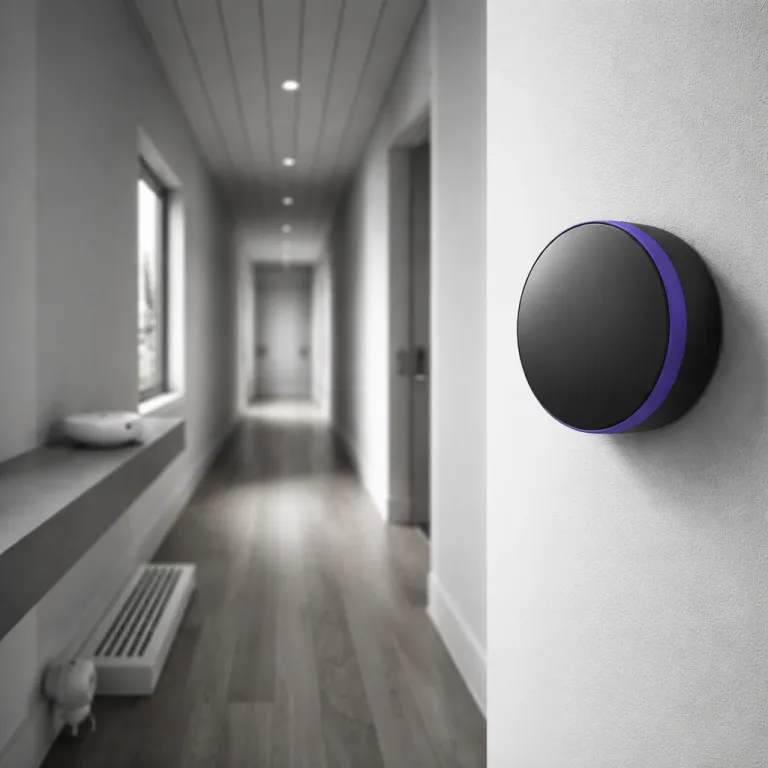

Why a matter thread smart thermostat finally changes the rules
A matter thread smart thermostat is no longer a science project. It is a thermostat smart enough to join every major platform while keeping temperature control fast and reliable. For a homeowner, that means less app juggling and more predictable comfort.
Think of Matter as the common language that every smart thermostat and other enabled devices can speak, while Thread is the low power mesh road that carries those messages around your home. WiFi still matters, because a wifi thermostat often uses it for remote access and firmware updates, but Thread handles the local chatter between devices when the internet drops. This layered approach finally lets a single matter smart thermostat work with Apple, Google, and Amazon ecosystems without three different setups.
In practice, a Matter certified product such as a modern smart thermostat exposes the same core features to Google Assistant, Alexa, and Apple Home, so voice control becomes consistent instead of fragmented. You can ask alexa google style commands like “set the temperature to 20 degrees” or use a google nest display to adjust the same thermostat, and both will respect the same schedules. That unified control is the real value of Matter, not vague promises about artificial intelligence or magic energy saving tricks.
For a smart home enthusiast, the key info is simple yet powerful. If your thermostat works with Matter over Thread, you gain faster responses, better range to that tricky radiator thermostat in the hallway, and fewer cloud outages. The matter thread smart thermostat finally feels like infrastructure, not a gadget.
Matter vs Thread vs WiFi in smart thermostats
Most confusion around any matter thread smart thermostat comes from mixing up the three layers. Matter is the application protocol that defines how a thermostat reports temperature, modes, and schedules, while Thread and WiFi are just different ways to move those messages. Once you separate language from transport, the whole ecosystem makes more sense.
Thread is a low power mesh network where each plug, sensor, or radiator thermostat can relay messages for its neighbors, which means a thermostat view from your app stays responsive even in a large house. WiFi is still useful for high bandwidth tasks and for older thermostats that never shipped with Thread radios, but it is more power hungry and less resilient when you have dozens of devices. A wifi thermostat that only uses WiFi can still be a solid product, yet it will not benefit from the self healing mesh that Thread offers to smart thermostats and other enabled devices.
Matter rides on top of both Thread and WiFi, so a single smart thermostat can talk to google nest hubs, devices Amazon sells under the Echo brand, and Apple HomePod speakers without separate integrations. That is why a Matter certified thermostat smart model is easier to recommend than a proprietary one that only works with a single app voice ecosystem. If you already use a mix of alexa google speakers and phones, Matter support means you can buy once and avoid rethinking your entire setup later.
Before you buy, check whether your preferred platform already includes a Thread border router, because that is what bridges Thread to your main network. Many recent Google Nest hubs, Apple HomePod mini units, and Echo devices Amazon released with Zigbee radios quietly include Thread as well. If you are comparing advanced learning models, a detailed guide to enhancing comfort with a Wi Fi enabled air conditioning unit can help you see how temperature control and energy saving features interact across heating and cooling.
What Matter actually unlocks for thermostat control
When you install a matter thread smart thermostat, the headline benefit is not smarter algorithms. The real shift is that Matter defines a common set of features for temperature control, schedules, and basic energy saving functions that every platform must support. That means your thermostat view in each app looks different, but the underlying capabilities stay aligned.
With Matter, a single thermostat smart device can expose verified temperature readings, humidity, and occupancy data to Apple Google ecosystems at the same time, which was painful before. You can use google assistant on a Nest Hub, Alexa on an Echo, or Siri on an iPhone to adjust the same smart thermostat without re pairing or losing scenes. This cross ecosystem voice control is especially helpful when different family members prefer different assistants but share the same heating system.
For automation, Matter lets your thermostat works with other certified devices such as motion sensors, radiator thermostat valves, and smart plugs without cloud to cloud hacks. A meross smart plug, an eve thermo radiator thermostat, and a central matter smart thermostat can all join the same Thread mesh and respond instantly when someone opens a window. If you want a deeper comparison of learning style thermostats that optimize energy, a resource like this guide to the benefits of a Sensi Wi Fi thermostat offers useful context on how scheduling and occupancy detection affect real world bills.
From a buying perspective, Matter support also protects you against platform churn. If you start with google nest speakers and later move to devices Amazon sells or to Apple Home, your thermostat remains a first class citizen instead of an orphaned gadget. That flexibility is why a Matter certified product often justifies a slightly higher price over a closed alternative.
Current Matter and Thread support in leading thermostats
Choosing a matter thread smart thermostat today means navigating a patchwork of support. Some flagship thermostats already ship with Matter and Thread radios enabled, while others promise firmware updates that may arrive later. You should treat current compatibility as a hard fact, not a marketing aspiration.
The latest Nest Learning Thermostat and Ecobee Premium both support Matter, which lets them join Apple Google ecosystems and interact with google assistant, Alexa, and other app voice systems through a single standard. Honeywell Home T9 thermostats, by contrast, still rely on WiFi and proprietary cloud integrations, so they cannot join a Thread mesh or expose Matter based temperature control to multiple platforms. If you are building a new smart home around a Thread backbone, that difference matters more than any flashy screen or marginal price gap.
On the accessory side, the eve thermo radiator thermostat and several meross smart models such as meross matter compatible plugs already speak Matter over Thread, which makes them natural companions for a central matter smart thermostat. These devices Amazon and other retailers sell can extend your heating zones room by room, giving you finer control and better energy saving potential. For a broader comparison of learning thermostats and how they behave in real homes, a detailed article on top learning smart thermostats can help you interpret spec sheets against lived experience.
When you check any thermostat view on a retailer page, look for explicit wording that the thermostat works with Matter and Thread, not just with Alexa or Google Assistant. A label that says “Works with Alexa Google” without the word Matter usually means old style cloud integrations only. If you care about local control, faster response, and long term flexibility, prioritize verified Matter and Thread support over secondary features.
Buying checklist for a future proof Matter Thread setup
Before you commit to a matter thread smart thermostat, walk through a simple checklist. Start by confirming that you already own at least one Thread border router, such as a recent Google Nest Hub, an Apple HomePod mini, or a newer Echo that devices Amazon advertise as Thread capable. Without that bridge, your Thread devices will fall back to WiFi or stay offline.
Next, verify that your heating system wiring supports the thermostat smart model you want, especially if you are replacing an older radiator thermostat or a basic two wire boiler control. Many advanced smart thermostats need a common wire for power, and while some meross smart or eve products include adapters, you should not rely on guesswork. When you view product details online, look for clear diagrams and, ideally, a compatibility checker that lets you enter your existing thermostat wiring before you buy.
Price still matters, but focus on total value rather than the lowest number on an amazon listing. A slightly higher price for a Matter certified product that offers reliable temperature control, robust energy saving features, and broad platform support often pays back through lower bills and fewer replacements. When you compare options, keep a simple mantra in mind ; you are not buying the app interface, you are buying the February gas bill.
Finally, think about how your matter smart thermostat will interact with other enabled devices over time. If you already use alexa google combinations, google assistant speakers, and devices Amazon sells for lighting, choosing a thermostat that works cleanly across all of them will reduce friction. A careful thermostat view of your whole system today prevents expensive rewiring and awkward compromises tomorrow.
FAQ
Do I really need Thread for my smart thermostat to work well ?
You can run a smart thermostat over WiFi alone, and many wifi thermostat models perform reliably in small homes or apartments. Thread becomes more valuable as you add more enabled devices such as sensors, radiator thermostat valves, and plugs that benefit from a low power mesh. If you plan a larger smart home, a matter thread smart thermostat on Thread will usually feel faster and more stable.
How can I tell if a thermostat supports Matter and Thread ?
Check the product box and online specifications for explicit “Matter” and “Thread” logos, not just generic “works with Alexa Google Assistant” badges. A true Matter certified product will state that it supports Matter over Thread or Matter over WiFi, and often lists Apple Google ecosystems together. If you cannot find that language in the thermostat view or view product page, assume it does not support Matter yet.
Will my existing Google Nest or Alexa setup work with a Matter thermostat ?
Most recent google nest hubs, Nest speakers, and Echo devices Amazon released already support Matter, and many act as Thread border routers. That means a new matter smart thermostat can join your existing network and respond to google assistant or Alexa voice control without extra hubs. Always confirm compatibility on the manufacturer site before you buy, because older speakers may need firmware updates or may never gain full support.
Is a Matter thermostat better for energy saving than older models ?
Matter itself does not guarantee better energy saving, because it mainly standardizes communication and control. However, a modern thermostat smart design that supports Matter often includes improved sensors, occupancy detection, and more flexible scheduling that can reduce wasted heating. The combination of accurate temperature control and easier automation across platforms usually helps you run your system more efficiently.
Should I wait for firmware updates that promise Matter support ?
Some manufacturers plan to add Matter through firmware, but timelines can slip and features may be limited. If Matter and Thread are central to your smart home strategy, it is safer to choose a thermostat that already offers verified support today. Waiting only makes sense when the update is clearly documented, in active rollout, and confirmed to work with your specific model.