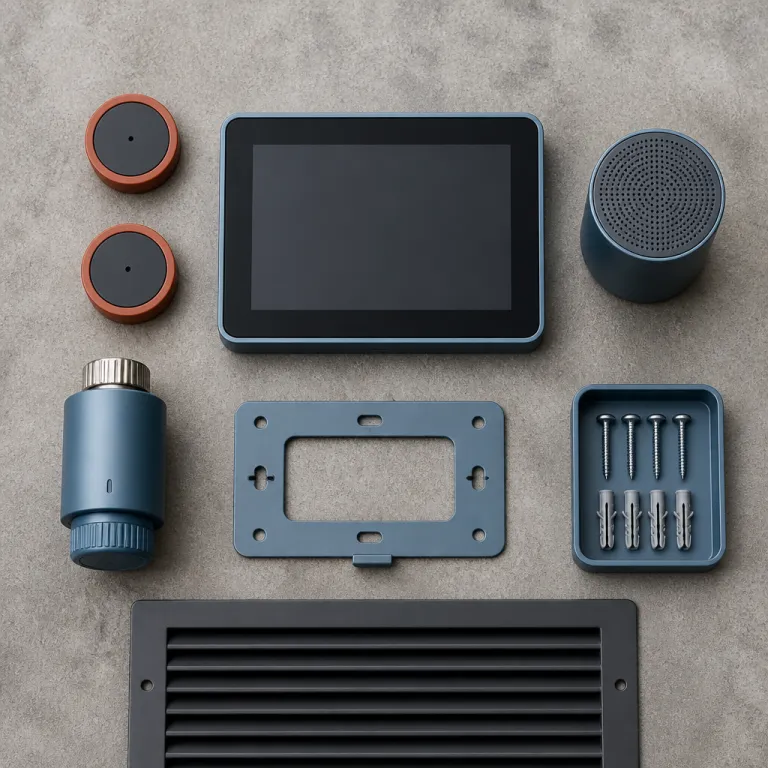
How a smart home panel reshapes thermostat control
A smart home panel turns scattered devices into one coherent system. By placing this smart control point on a central wall, you gain immediate access to heating, cooling, lighting, and home energy data in real time. The same panel can show current power flows from the grid, any solar battery, and your smart thermostat schedules.
For many households, the home panel becomes the main interface for comfort and energy control. Instead of opening several apps, you tap one smart screen to adjust temperature, check the electrical panel status, and see how much power your heat pump uses. This unified system helps you save energy because every relevant number, from live price signals to room temperature, appears in one clear view.
When the panel integrates voice assistants, thermostat use becomes even more natural. You can say a simple command to raise the temperature while the smart home system quietly balances power between your heater, any portable power station, and the wider grid. This combination of touch, voice, and real time feedback is what makes a modern smart home panel far more than a decorative wall screen.
Touchscreen interfaces on smart home panels for thermostats
Touchscreen design defines whether a smart home panel feels intuitive or frustrating. A well designed panel shows temperature, humidity, and home power status on the first screen, with clear buttons for heating modes and fan control. Good interfaces also surface critical electrical information, such as which circuit on the electrical panel feeds your smart thermostat and related devices.
On advanced systems, the same wall mounted panel can show smart energy dashboards, battery levels for connected storage, and the current retail electricity rate from your supplier. That means you can slide your thermostat set point down slightly when the tariff peaks, then let the system raise it again when the grid is under less stress. Panels that integrate lighting, blinds, and climate control in one layout make it easier to understand how each choice affects overall home energy use.
Some smart home panel models add tiles for specific portable power stations, so you see how much backup battery capacity remains while adjusting heating. When you tap into full details for each circuit, you can match thermostat zones to specific breakers on the home panel and plan any future installation work. For readers interested in a combined light and temperature interface, a dedicated smart light switch control panel with temperature functions shows how this concept works in practice.
Voice control, smart gateways, and thermostat ecosystems
Voice control changes how people interact with heating, especially when the smart home panel acts as a smart gateway. Instead of walking to every room, you can say a command to the panel and adjust several thermostats at once, while the system checks current energy use and grid status. This gateway role becomes crucial when you combine solar panels, a battery, and a home backup power station with your climate control.
In many installations, the smart home panel connects to a Matter compatible thermostat hub, which keeps different brands speaking the same language. That hub, sometimes built into the panel, coordinates smart devices, home energy storage, and traditional electrical panel circuits so that heating changes never overload your home power system. For a deeper look at this interoperability, a guide on how a Matter hub transforms your smart thermostat experience explains why standards matter for long term reliability.
When voice control works through a robust smart gateway, you gain confidence that every command will execute safely. The panel can check available battery capacity from any connected power station before raising the temperature during an outage, preserving home backup reserves. In larger homes, multiple panels and gateways can share data in real time, ensuring that each thermostat change respects both comfort and the limits of your electrical system.
Linking smart thermostats with home energy and backup power
Smart thermostats reach their full potential only when linked to wider home energy systems. A capable smart home panel becomes the bridge between your heating schedules, solar generation, and any home battery or portable storage units. By reading real time data from the grid and your battery, the panel can suggest when to preheat or precool rooms to save money.
For example, if your solar array and home battery are full by midday, the panel can nudge the thermostat slightly higher in winter to store warmth while excess power is available. Later, when the time of use price of electricity rises and solar output falls, the system lets the temperature drift gently within your comfort range, reducing demand on the grid. This strategy turns your home into a flexible participant in the energy system rather than a passive consumer.
During outages, the home panel coordinates home backup priorities between heating, refrigeration, and essential lighting. It can limit thermostat power draw so that a portable power station or whole home backup unit keeps running longer, especially when paired with a transfer switch and a well planned installation. Readers who want to see how advanced thermostats handle such scenarios can review a detailed test of a Wi Fi smart thermostat for electric underfloor heating, which illustrates how app control and energy saving modes work together.
Installation, pricing, and what to check before buying
Planning a smart home panel around thermostats starts with your electrical panel. You need to confirm spare capacity, wall space, and whether a transfer switch or smart gateway is required for any home backup or portable power system. A professional installer will map which circuits feed heating, cooling, and general home power so the panel can show accurate real time data.
Price varies widely depending on whether you choose a basic thermostat display or a full home energy dashboard with smart integration and support for home batteries. The original price of a simple wall mounted panel may look attractive, but the current price of more advanced models often reflects better software, longer support, and deeper grid aware features. When comparing offers, ask for full details on firmware updates, compatibility with your preferred storage units, and whether the system can read dynamic tariffs from your supplier.
Hidden costs usually come from installation complexity rather than the panel itself. Running new electrical lines, upgrading the electrical panel, or adding a pro ultra level backup system can raise the overall project cost beyond the headline figure. To avoid surprises, request a written breakdown that separates hardware, labour, any battery or power station additions, and future expansion options for your smart home.
From basic control to pro level smart home panels
Entry level smart home panels focus on simple thermostat control and scene selection. They let you adjust temperature, switch between eco and comfort modes, and see basic home power usage without diving into complex energy analytics. For many apartments or small homes, this level of control already offers meaningful energy savings.
At the other end of the spectrum, pro and pro ultra configurations turn the panel into a full home energy command center. These systems integrate portable power stations and whole home backup units, track solar production, and coordinate with the grid to shift loads intelligently. They often include smart gateway functions that manage transfer switch operations automatically during outages, keeping critical heating circuits powered while protecting the electrical system.
When evaluating whether you need a pro level home panel, consider your appetite for data and automation. If you want to see current, voltage, and circuit level consumption in real time, a more advanced system will suit you better than a basic thermostat screen. Households planning to expand solar, add more battery capacity, or experiment with dynamic tariffs should treat the panel as long term infrastructure rather than a short lived gadget.
Practical tips to use smart panels and thermostats efficiently
Once your smart home panel and thermostats are installed, small habits make a big difference. Start by grouping rooms into zones on the panel so you can lower temperatures in rarely used spaces without affecting main living areas. Use scheduling features to align heating with your routine, then let the system fine tune set points based on real time energy signals.
Take advantage of any integration with smart devices, home batteries, or other backup systems to shape when your home draws power. For instance, you can program the panel to preheat using solar energy when the battery is full, then rely on stored power from portable power stations during evening peaks. Over time, reviewing full details on your panel’s energy reports will show which thermostat adjustments deliver the largest savings without sacrificing comfort.
Finally, treat firmware updates and security settings as part of regular home maintenance. Keeping the panel, thermostats, and smart gateway software current ensures that control remains reliable and that new features, such as improved grid interaction or better battery management, become available. With this mindset, your smart home evolves gradually into a resilient, efficient system rather than a collection of isolated gadgets.
Key figures on smart thermostats and smart home panels
- According to the International Energy Agency’s report “Digitalization and Energy” (2017), smart thermostats and advanced controls can reduce heating and cooling energy use by around 10 % to 20 % in typical homes, especially when combined with clear feedback on a smart home panel. These values are indicative ranges drawn from field studies and modelling rather than guaranteed savings for every household.
- Research from the Lawrence Berkeley National Laboratory, including its Home Energy Display studies (for example, LBNL-49947), has shown that real time energy displays can cut household electricity consumption by roughly 5 % to 15 %, with higher savings when panels show circuit level data linked to heating and cooling. Actual results depend on user engagement and the clarity of the interface.
- Data from the U.S. Energy Information Administration’s Residential Energy Consumption Survey (RECS 2015) indicates that space heating and cooling account for roughly 40 % to 50 % of residential energy use in many climates, which explains why integrating thermostats into a central home panel delivers such strong impact on overall consumption.
- Field trials reported by the UK’s Energy Saving Trust, such as “The Smart Meter Smart Home” and related programmable thermostat evaluations, found that households using programmable smart thermostats with clear user interfaces achieved average gas savings of about 12 %, compared with similar homes using manual controls. These figures are averages across study samples, not performance guarantees.
- Analyses by the Rocky Mountain Institute, including grid flexibility and demand response case studies, highlight that pairing smart thermostats with battery storage and solar can reduce peak grid demand from individual homes by up to 30 %, especially when a smart gateway or panel coordinates the timing of heating and cooling. Such reductions are typically observed in pilot projects with active user participation.
FAQ about smart home panels and thermostats
How does a smart home panel improve thermostat efficiency ?
A smart home panel improves thermostat efficiency by giving you real time feedback on temperature, energy use, and electricity prices in one place. With that information, you can adjust set points and schedules more precisely, often cutting unnecessary heating or cooling. Panels that integrate solar and battery data help you shift demand to cheaper or cleaner power automatically.
Do I need a battery or power station for my smart thermostat setup ?
You do not need a battery or power station to run smart thermostats, but pairing them with devices such as portable power stations or whole home backup systems can improve resilience. During outages, a transfer switch and backup system can keep heating controls running, which is crucial in cold climates. A smart home panel coordinates these elements so that backup power is used efficiently.
Can a smart home panel work with different thermostat brands ?
Many modern panels support multiple thermostat brands through standards such as Matter, Zigbee, or Z Wave. When the panel also acts as a smart gateway, it can translate between ecosystems and present unified controls. Always check the compatibility list and firmware roadmap before purchase to ensure long term support.
Is professional installation necessary for a smart home panel ?
Professional installation is strongly recommended whenever the panel connects to the electrical panel, a transfer switch, or fixed wiring. An electrician ensures that circuits are correctly mapped, that the system meets local codes, and that any solar or battery integration is safe. Simple display only panels that plug into mains sockets are easier to install yourself but offer fewer capabilities.
How should I compare prices for smart home panels ?
When comparing prices, look beyond the original price tag and consider the current price including installation, required gateways, and any backup hardware. Evaluate software support, integration with smart storage devices, and the quality of the touchscreen interface. Over several years, a slightly higher upfront price can pay back through better energy savings and fewer compatibility issues.