Touchscreen interfaces and programmable settings that actually help you save
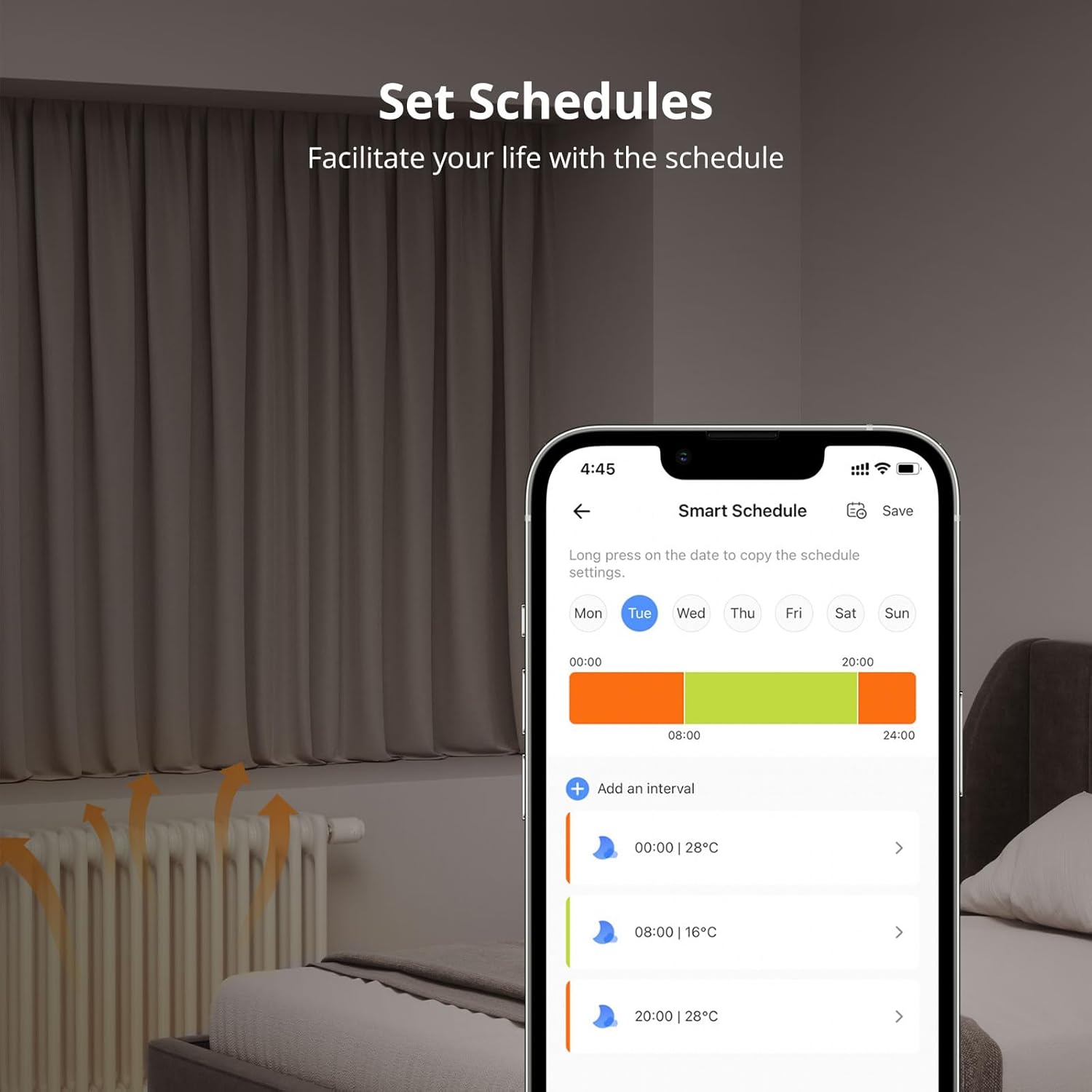
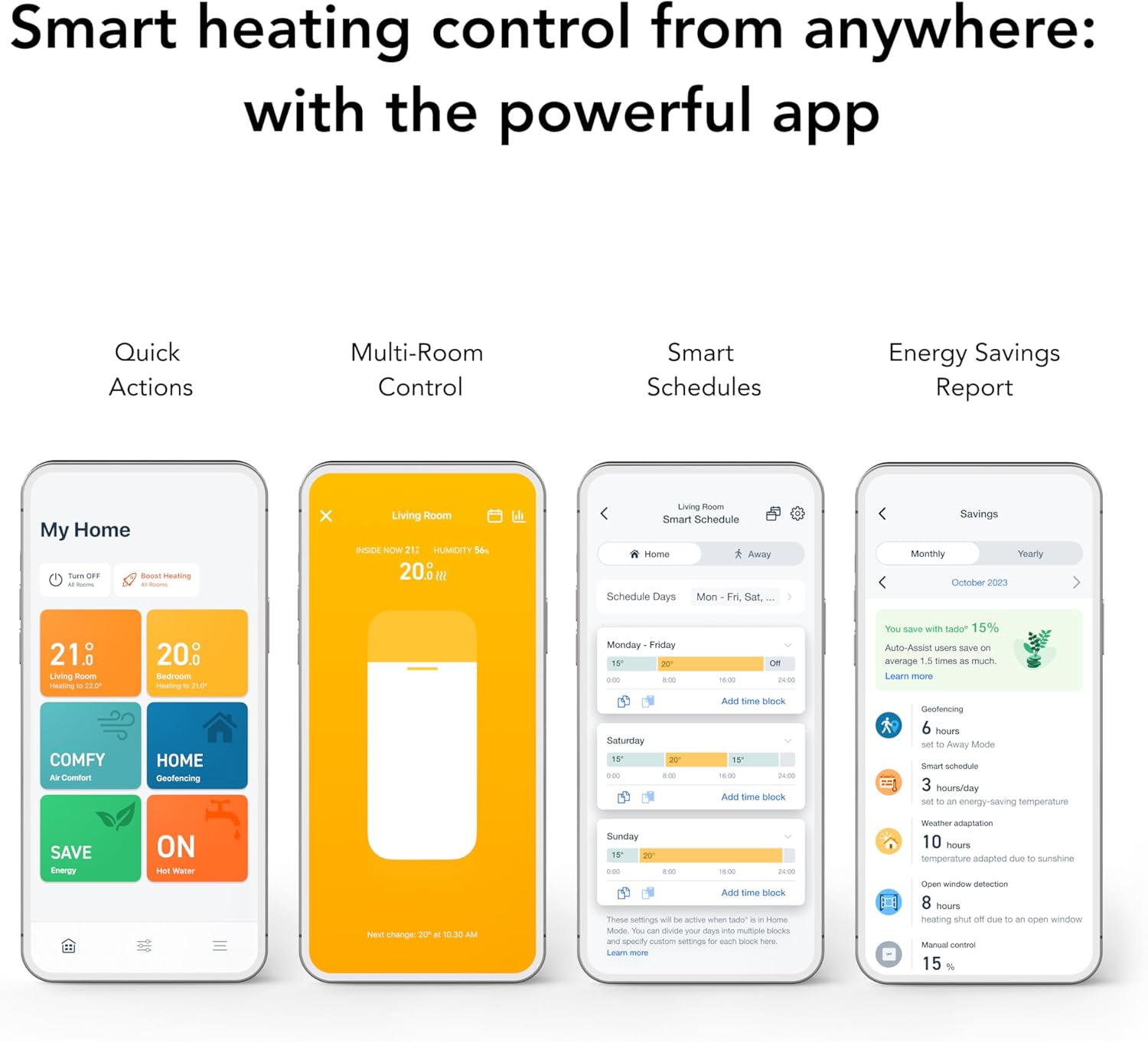
Touchscreen displays on a smart thermostat make complex settings feel less intimidating while still giving you detailed control. The best smart thermostats with voice control pair a bright, responsive screen with simple menus for schedules, energy reports, and indoor air quality insights. When these thermostats also support programmable routines, you can set detailed temperature schedules without needing to be an expert in HVAC systems or wiring.
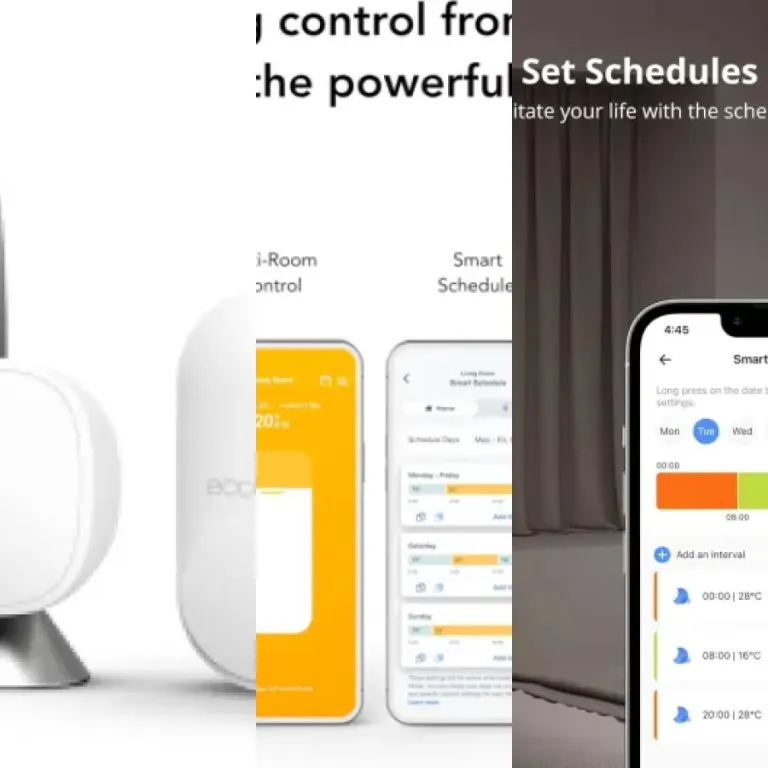
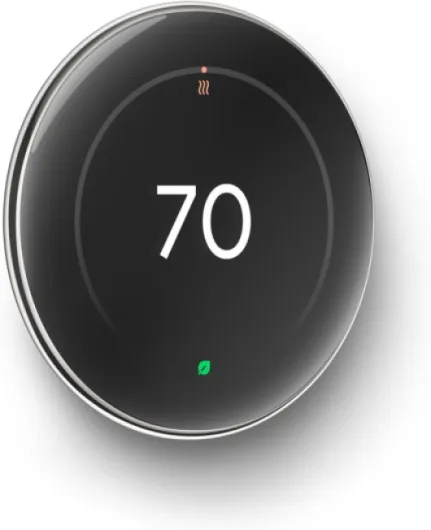
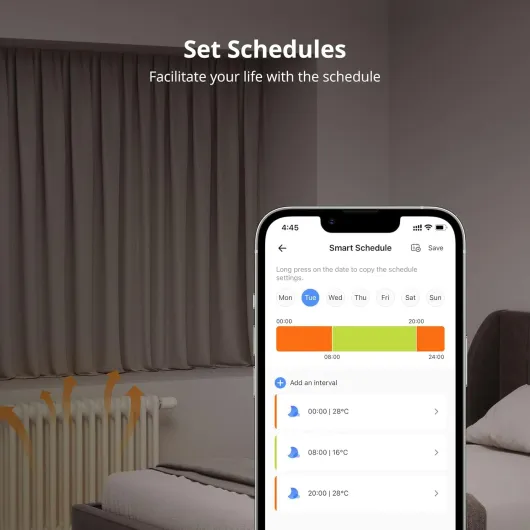
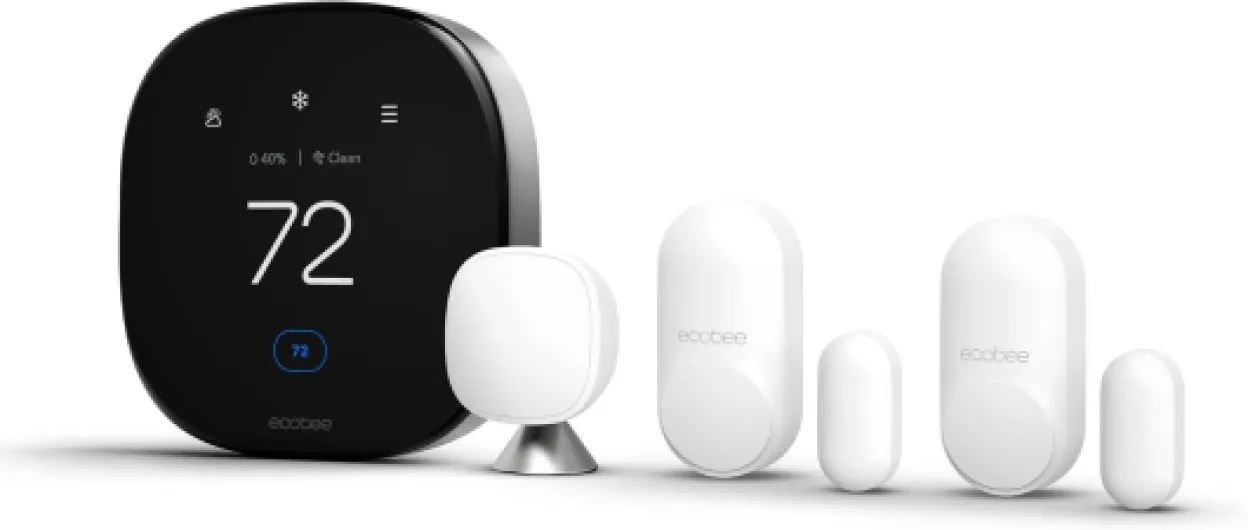
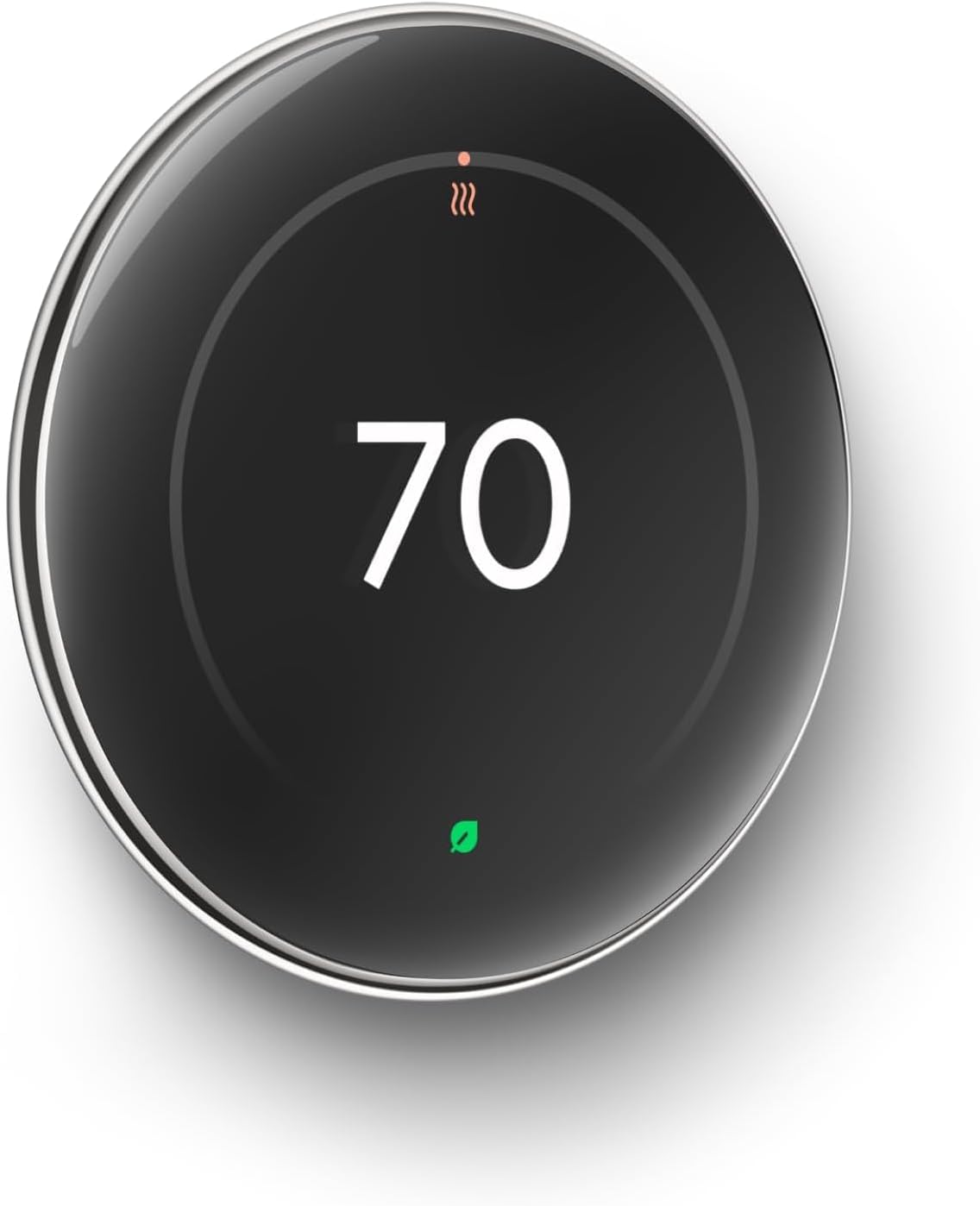
Many people compare ecobee smart thermostat models, Google Nest learning thermostat devices, and other premium models at retailers such as Best Buy before deciding. For example, the ecobee Smart Thermostat Premium includes a large color touchscreen and built‑in Alexa, while the Google Nest Learning Thermostat (3rd Gen) focuses on schedule automation and a rotating dial interface. These smart thermostats often include guided setup wizards that ask about your HVAC system, your existing thermostat wire configuration, and whether you use electric baseboard heating or a central furnace. Once configured, you can fine‑tune programmable settings so that the thermostat will save energy while you sleep, then gently warm rooms before you wake.
If you want a deeper dive into touchscreen programmable thermostats, a dedicated guide such as this overview of top touchscreen programmable thermostats can clarify the differences between models. Look for a thermostat with a clear temperature graph, intuitive icons for heating and cooling modes, and quick access to away settings that support energy savings. When the touchscreen and voice control work together, you can adjust settings with voice or touch depending on what feels easiest in the moment, and you are more likely to use the energy‑saving features consistently.
Voice ecosystems compared: Amazon Alexa, Google Nest, and beyond
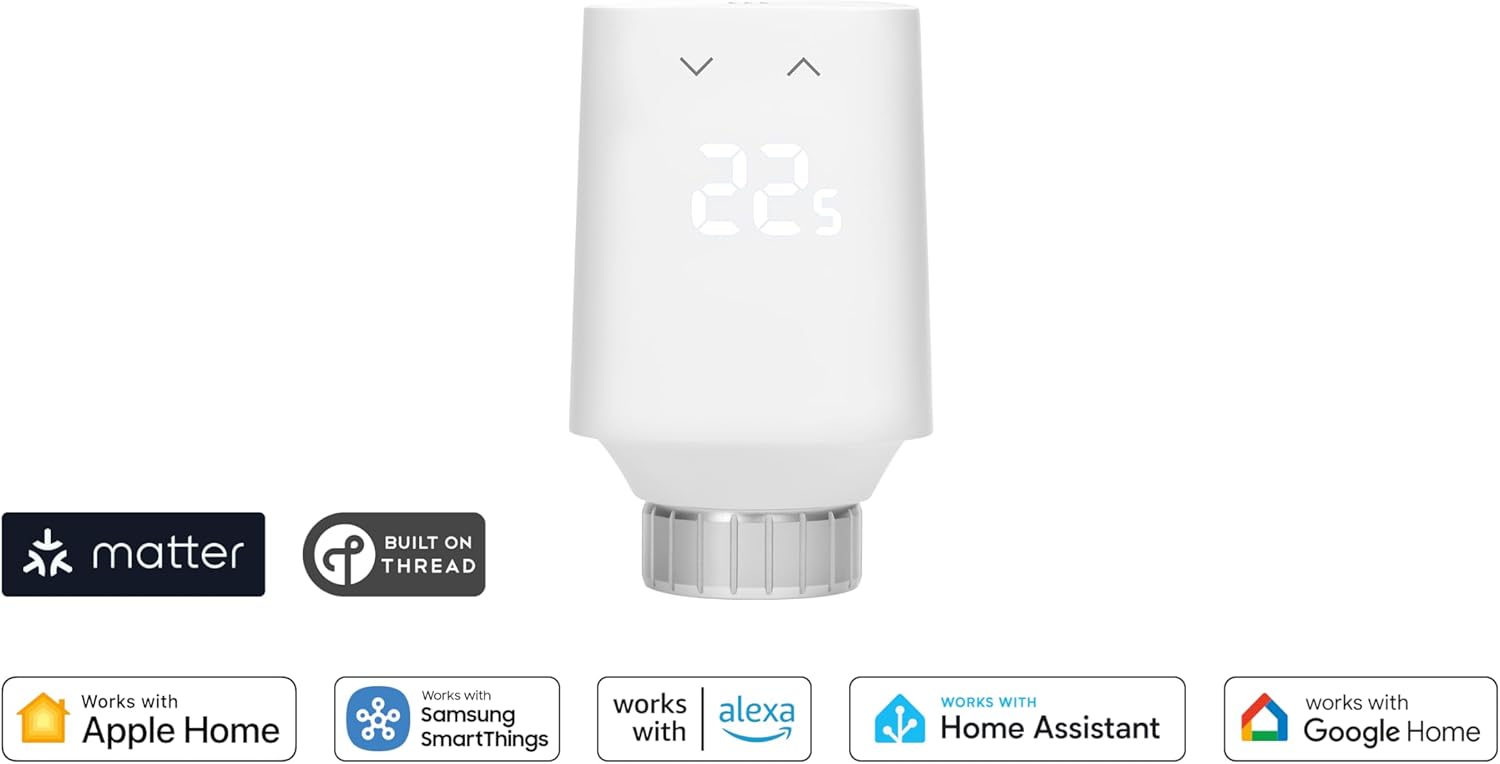
Choosing among the best smart thermostats with voice control often starts with your preferred voice ecosystem. If you already use Amazon Alexa speakers, an Amazon Smart Thermostat or an ecobee Smart Thermostat Premium with built‑in Alexa voice services will feel natural. For homes centered on Google Nest speakers, a Nest Learning Thermostat or other Google Assistant compatible thermostats integrate more smoothly with existing routines and Google Home automations.
Voice control works by linking your smart thermostat account to your Amazon Alexa or Google account, then granting permission for temperature control. Once linked, you can say “Alexa, set the thermostat to 21 degrees” or “Hey Google, lower the temperature in the living room” and the thermostat will adjust instantly. Some higher‑end models even support multiple assistants, so you can use both Alexa and Google voice commands with the same device if the manufacturer enables dual‑assistant support.
When you start connecting several smart thermostats, lights, and sensors, a home automation controller can turn your smart thermostat into a true smart home brain, as explained in this guide on how a home automation controller coordinates smart thermostats. In that scenario, the thermostat with voice control becomes one part of a larger HVAC system and energy management strategy. The key is to ensure that each thermostat model you choose supports your preferred voice platform and your existing HVAC systems without needing complex workarounds.
Comparing leading models: ecobee, Nest, and other thermostat premium options
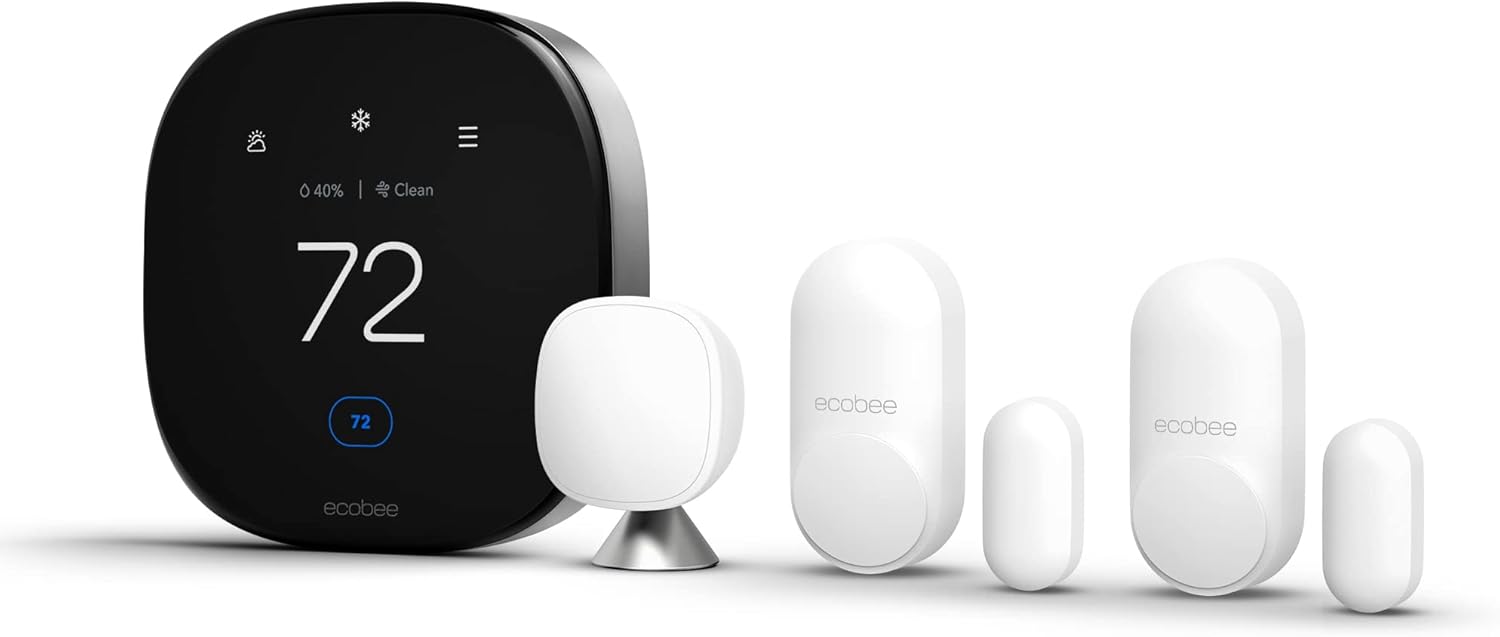
Among the best smart thermostats with voice control, ecobee and Nest remain the most visible names. An ecobee Smart Thermostat Premium model typically includes a large touchscreen, built‑in Alexa voice control, dual‑band Wi‑Fi, and remote SmartSensor room sensors that monitor temperature and occupancy. In contrast, a Nest Learning Thermostat (3rd Gen) focuses on automatic schedule creation, using motion sensors and algorithms to learn when you are home or away and then adjusting setpoints accordingly.
For budget‑conscious buyers, an essential range from both brands offers fewer advanced features but still supports smart temperature control. An ecobee Smart Thermostat Enhanced or ecobee3 lite may skip built‑in speakers yet still work with Amazon Alexa or Google voice assistants through external devices. Similarly, a basic Google Nest Thermostat with voice integration via Nest speakers can still adjust heating and cooling and deliver energy savings without the full learning thermostat capabilities of Nest Learning models.
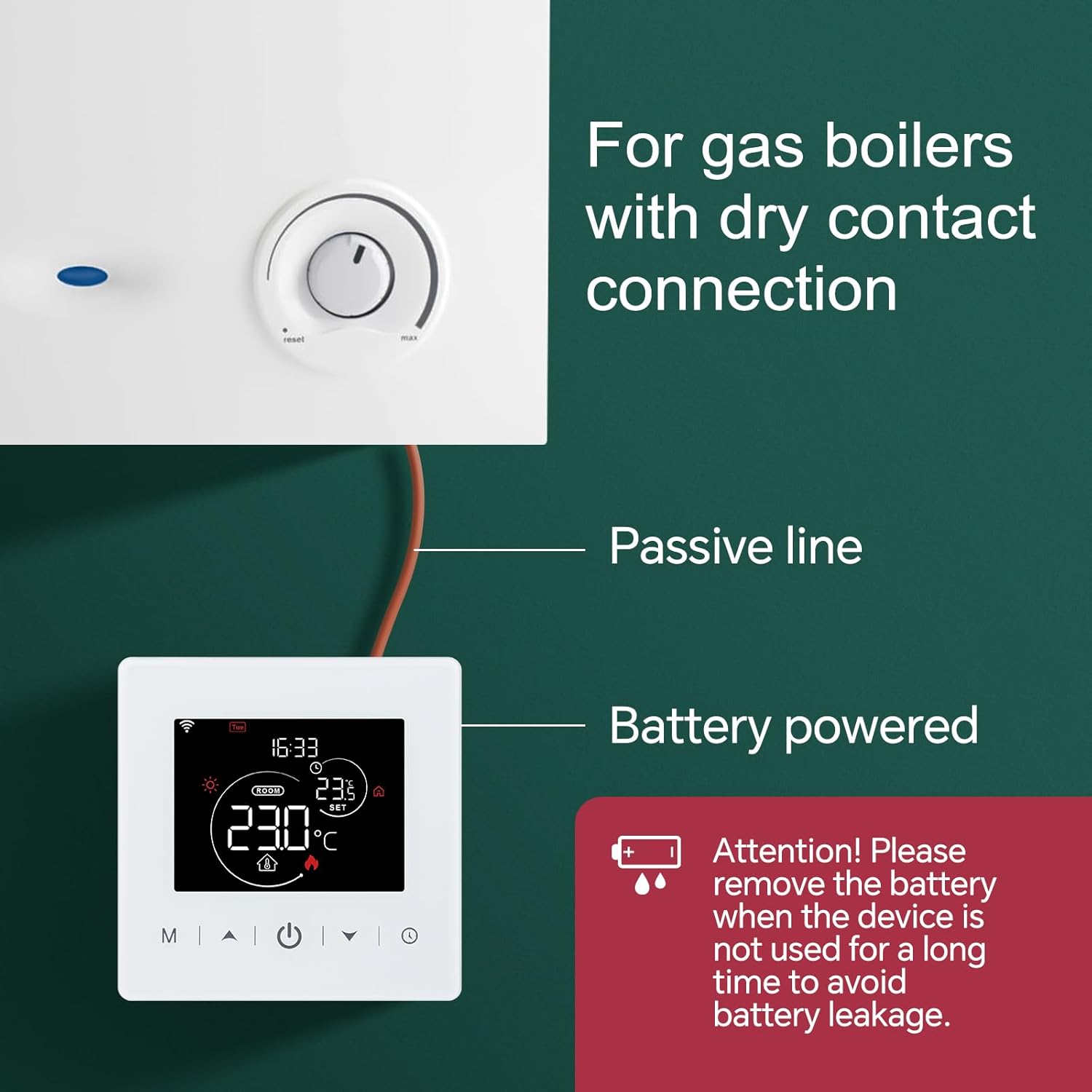
When comparing thermostat models, pay attention to HVAC system compatibility, the need for a common wire, and support for electric baseboard heating if relevant. Some thermostats require a C‑wire or an included power adapter, while others can work with older two‑wire systems used for simple boilers. If you are interested in how thermostats interact with solar energy and advanced HVAC systems, a resource on thermostats that see your solar panels in real time shows how smart temperature control is evolving beyond basic scheduling.
Installation, wiring, and integration with complex HVAC systems
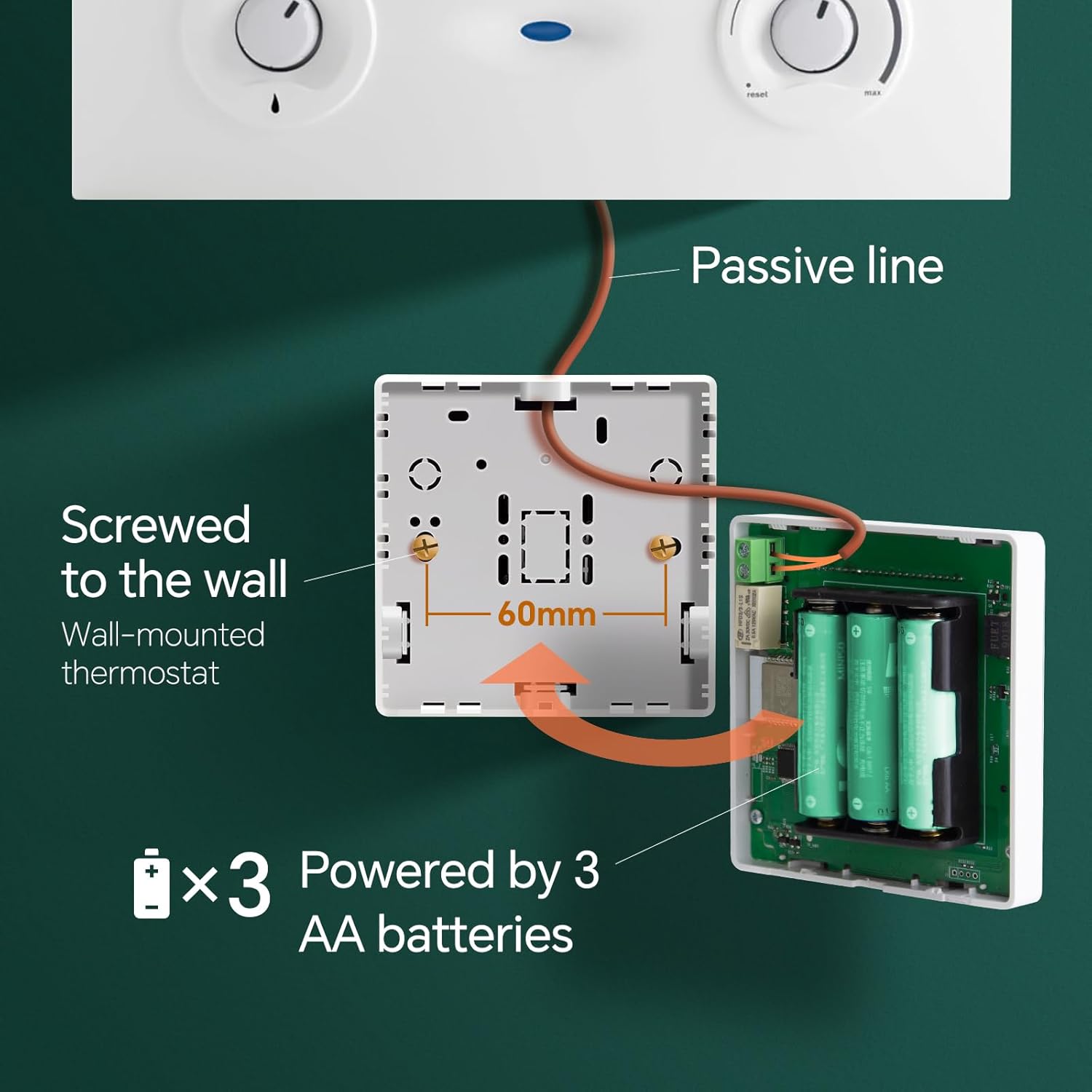
Installing a smart thermostat with voice control can be straightforward, but wiring details matter. Many modern thermostats guide you through identifying each thermostat wire, labeling connections for heating and cooling stages, fan control, and power. If your existing thermostat only has two wires and no C‑wire, you may need a power extender kit or professional help to ensure stable operation with advanced smart thermostats.
Homes with multi‑zone HVAC systems, heat pumps, or electric baseboard heaters require extra attention when selecting thermostat models. Some smart thermostats are designed only for low‑voltage HVAC systems, while others support line‑voltage electric baseboard control with appropriate modules. Always confirm that the thermostat with voice control you choose lists your HVAC system type as compatible, because incorrect pairing can limit features or even damage equipment.
Once installed, integration with other devices can unlock deeper energy savings and comfort. A smart thermostat that talks to window sensors, occupancy detectors, and air quality monitors can reduce temperature when windows are open, pause heating and cooling when rooms are empty, and increase ventilation when indoor air quality drops. In these setups, voice control becomes a convenient layer on top of an already intelligent thermostat system, letting you override automated settings with a simple spoken command. A basic install checklist—turn off power at the breaker, label each wire before removal, mount the new backplate level, connect wires to the matching terminals, restore power, then run the app‑based setup—helps most homeowners complete installation confidently.
Energy savings, air quality, and how to choose the right thermostat
Energy savings remain a central reason people search for the best smart thermostats with voice control. According to the U.S. Environmental Protection Agency’s ENERGY STAR program, households that use programmable or smart thermostats correctly can reduce heating and cooling energy use by about 8 percent, which translates into noticeable annual savings on utility bills (ENERGY STAR smart thermostat overview). Those savings grow when you combine programmable settings, learning thermostat features, and regular use of voice commands to avoid overheating or overcooling rooms.
Some premium models now include built‑in air quality sensors that track volatile organic compounds and humidity. For instance, the ecobee Smart Thermostat Premium can monitor VOCs and CO₂ equivalents, while certain Nest models report humidity and filter reminders. When a smart thermostat detects poor air quality, it can run the fan to circulate air through filters or coordinate with compatible ventilation systems in more advanced HVAC setups. For people with allergies or respiratory concerns, choosing a thermostat with air quality monitoring and voice control can make it easier to maintain healthier indoor conditions.
When deciding which smart thermostats to buy, consider your HVAC system type, your comfort priorities, and how you prefer to interact with technology. If you enjoy speaking to Amazon Alexa devices, an Amazon Smart Thermostat or ecobee Smart Thermostat Premium with built‑in Alexa will feel seamless, while Google Nest users may prefer Nest Learning models that integrate tightly with Google services. In every case, look for clear temperature control, reliable app support, and a balance between essential features and any extra capabilities you will actually use. A simple buying recommendation is to start with compatibility (HVAC type and C‑wire), then choose the voice ecosystem you already use, and finally pick an essential or premium tier based on whether you want extras like built‑in speakers, learning algorithms, and air quality sensors.
Key statistics on smart thermostats and voice control
- According to the U.S. Environmental Protection Agency’s ENERGY STAR program, households that use programmable or smart thermostats correctly can reduce heating and cooling energy use by about 8 percent, which translates into noticeable annual savings on utility bills (see the ENERGY STAR smart thermostat overview at energystar.gov).
- Market research from firms such as Statista reports that smart thermostat shipments have grown to tens of millions of units globally, reflecting rapid adoption as more homes upgrade from traditional thermostats to connected models with voice control (for example, Statista’s “Smart thermostat unit shipments worldwide” dataset).
- Field studies published by utilities in North America, including evaluations of Nest Learning Thermostat pilots such as the “Energy Savings from the Nest Learning Thermostat” report by Nest Labs and utility partners, report average heating and cooling energy savings of roughly 10 to 12 percent for users of learning thermostats, compared with homes using manual temperature control.
- Surveys of smart home users indicate that voice commands are among the top three most used features for climate control, with many respondents reporting that they adjust temperature more frequently when voice control is available, which supports more consistent use of energy‑saving setpoints.
- Independent testing by organizations such as Consumer Reports has found that compatibility with a wide range of HVAC systems and clear touchscreen interfaces are key predictors of long‑term satisfaction with smart thermostats, often ranking models like the ecobee Smart Thermostat Premium and Nest Learning Thermostat near the top of their ratings.