Choosing the best self programming smart thermostats for your home wiring
Before you buy any thermostat that calls itself smart, you need to understand your existing wire setup and heating equipment. Many older heating systems lack a dedicated C wire, which supplies constant power that advanced thermostats and smart thermostats use for Wi Fi, screens, and sensors. The best self programming smart thermostats either include an adapter for that missing wire or are designed to run reliably without it by using power stealing or internal batteries.
Products such as google nest and several honeywell smart thermostats can work in homes without a C wire, but each model has specific limits and recommended system types. If you want a thermostat premium design with a bright display and strong wireless features, check whether your boiler, heat pump, or furnace supports it safely and whether the manufacturer lists your system as compatible. A detailed guide to top smart thermostats that work without a C wire can help you match the right smart thermostat to your heating and cooling system.
Some ecobee smart thermostats and sensi touch models include extra hardware to bridge wiring gaps and stabilize power. These thermostats ship with a small module that installs at the furnace, letting the thermostat behave like a fully powered device even when the wall only has two or three wires. If you are not comfortable handling low voltage heating wires, consider professional installation to avoid damaging the thermostat, the control board, or the transformer that feeds the entire system.
Compatibility with voice platforms also depends on wiring stability and reliable power. When a thermostat loses power because of weak wiring, amazon alexa or google assistant commands may fail, and remote access from your phone becomes unreliable or laggy. For the best smart experience, confirm that your chosen nest, ecobee, honeywell, or sensi touch thermostat can handle your system’s voltage, number of stages, and any accessories such as humidifiers or ventilation fans before you commit to a specific model.
Energy savings, comfort, and air quality with learning thermostats
The strongest reason to buy one of the best self programming smart thermostats is energy performance and long term operating cost. By learning when you are away and when you sleep, a learning thermostat automatically lowers heating or raises cooling without sacrificing comfort, which cuts wasted kilowatt hours and gas consumption. Over a full year, that smart behavior often pays back the thermostat price through lower energy bills and more predictable monthly costs.
Brands such as nest, ecobee, and honeywell publish typical savings ranges based on large user datasets and field studies. For example, Google’s “Energy Savings from the Nest Learning Thermostat” white paper (2015) reports average heating savings of about 10–12 percent and cooling savings of around 15 percent across U.S. homes, while ecobee’s “Home IQ” aggregated data (updated periodically since 2017) shows similar reductions for engaged users. While results vary by climate and insulation, many households see double digit percentage reductions in heating and cooling costs once the smart thermostat has fully learned their schedule and users follow the recommended set points.
Comfort is not just about raw temperature, because air quality and humidity also matter for sleep and health. Some thermostat premium models from ecobee smart lines include built in air quality monitoring that tracks volatile organic compounds and carbon dioxide trends, then suggests when to run ventilation or activate compatible fans. When paired with a room sensor in bedrooms or home offices, these smart thermostats can balance heating and cooling so that problem rooms stop feeling too hot or too cold compared with the hallway.
Integration with platforms such as amazon alexa, google assistant, and apple homekit lets you tie energy saving actions to routines that fit your lifestyle. For example, a google nest or nest learning thermostat can lower the set point, dim lights, and arm security when you say a single voice command at night or tap a bedtime scene in your app. The best smart thermostats also send remote alerts to your phone if the temperature drops dangerously, which protects pipes and sensitive equipment during winter trips or unexpected power outages.
Voice assistants, apps, and remote control: living with a smart thermostat
Once installed, the daily experience of using a smart thermostat should feel almost invisible and low effort. You set your preferred temperature range, connect the thermostat to Wi Fi, then let the learning algorithms and sensors handle most decisions in the background. Remote access through a phone app becomes the main way you check in, adjust heating or cooling, and monitor energy trends while you sit on the couch or travel for work.
Modern thermostats from nest, ecobee, honeywell, and sensi touch lines support multiple voice ecosystems so you are not locked into a single brand. You can link a thermostat to amazon alexa, google assistant, or apple homekit, then use whichever assistant already runs your smart speakers and displays. Some households even mix platforms, using an alexa google combination of speakers in different rooms, while the thermostat app quietly keeps all commands synchronized and logs every change.
Remote control is especially valuable when travel or irregular schedules disrupt normal routines and confuse fixed schedules. If a meeting runs late, you can delay heating from your phone so the boiler or heat pump does not waste energy on an empty home. The best self programming smart thermostats also use geofencing, which means the thermostat tracks your phone’s location to decide when to start warming or cooling before you arrive, so the house feels comfortable as you walk in.
App dashboards now show more than just current temperature or a simple on off status. Many smart thermostats present weekly energy reports, estimated savings, and suggestions such as lowering your night set point by one degree for extra efficiency. When you read full reports inside these apps, you gain a clearer picture of how your thermostat, your habits, and your home’s insulation work together to shape monthly energy costs and where small changes can deliver the biggest savings.
Installation, wiring scenarios, and when to call a professional
Installing a smart thermostat is often a straightforward project for confident homeowners who are comfortable with basic tools. Most thermostats use low voltage wiring, and the wall plate clearly labels each wire connection for heating, cooling, fan, and common power. The best self programming smart thermostats also include step by step app guidance that checks compatibility before you loosen a single screw and walks you through each terminal.
Complexity rises when your system includes multi stage heating and cooling, heat pumps with auxiliary heat, or accessories such as whole home humidifiers and ventilators. In those cases, a thermostat premium model like ecobee smart or nest learning may support the hardware, but only if the wire mapping is correct at both the furnace and the thermostat. A detailed tutorial on wiring scenarios that justify professional installation explains when a certified technician is worth the extra cost.
Some sensi touch and honeywell programmable thermostat models are more forgiving for older systems that lack modern wiring. They may include battery backup, flexible power options, or adapters that reduce the need to run new wire through finished walls and ceilings. If you are unsure about your skills, remember that a shorted thermostat wire can damage the furnace control board, which is far more expensive than a professional installation visit or a short service call.
After installation, always test every heating and cooling mode from both the thermostat and the app before you rely on automation. Confirm that the fan responds correctly, that remote commands arrive quickly, and that any room sensor devices report accurate temperature readings in different spaces. Only when these checks pass should you rely fully on the learning thermostat features that make these smart thermostats the best choice for long term comfort and energy savings.
Comparing leading brands: nest, ecobee, honeywell, sensi touch
When people search for the best self programming smart thermostats, four names appear repeatedly. Google nest, ecobee smart, honeywell smart thermostats, and sensi touch each take a different approach to learning, design, and integration. Understanding these differences helps you buy the thermostat that truly fits your home rather than just following marketing claims or the most popular online listing.
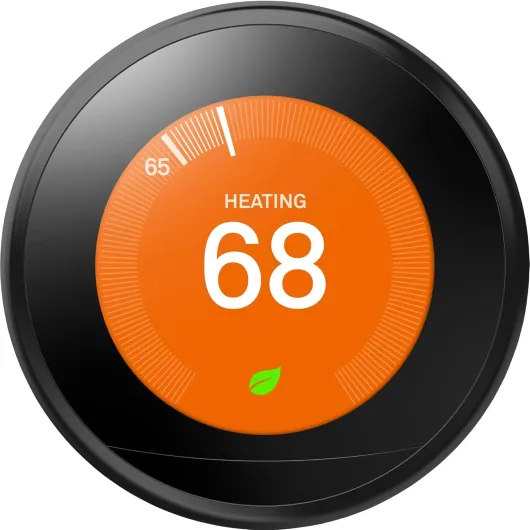
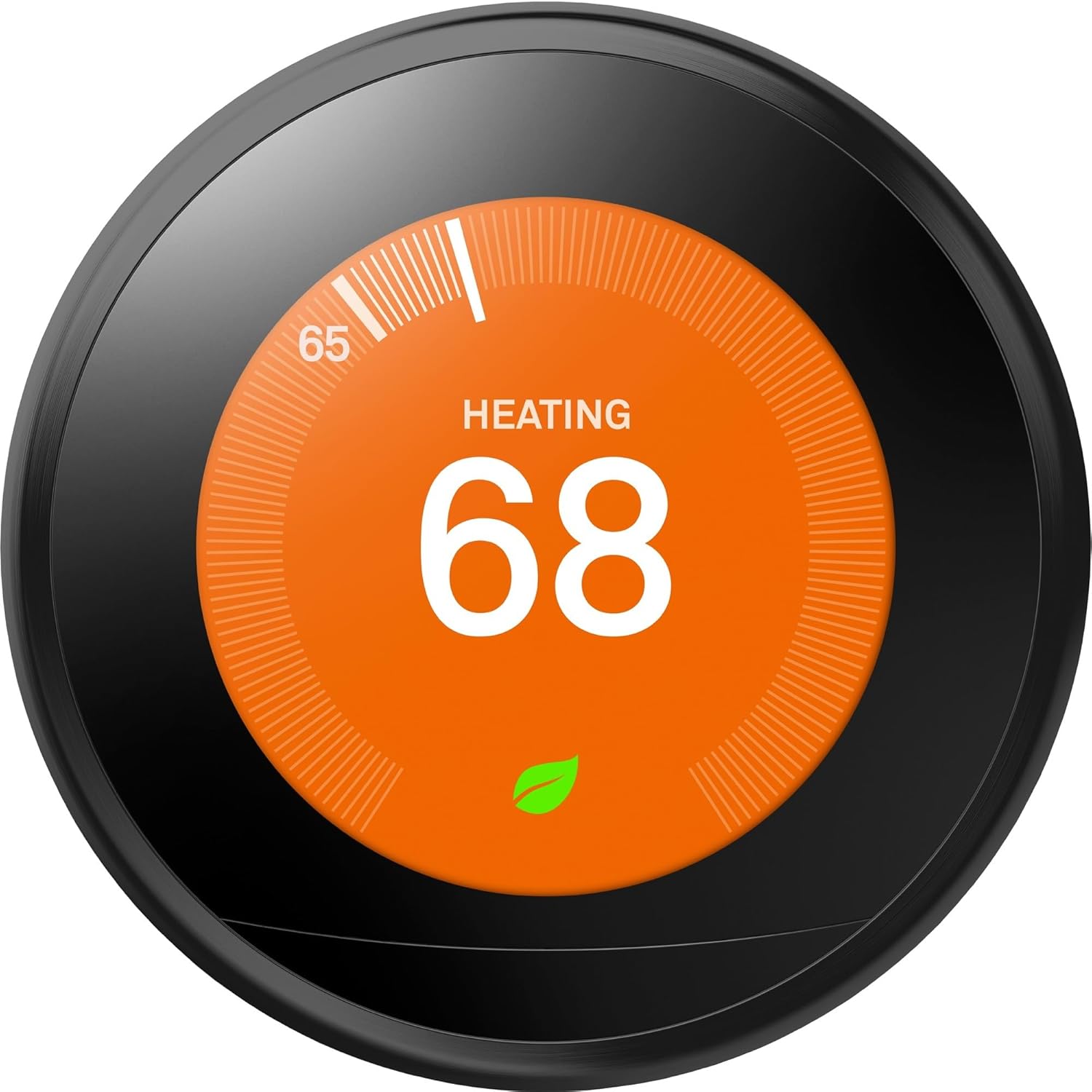
The nest learning thermostat and the simpler nest thermostat focus heavily on automatic schedule building and occupancy detection. Nest products integrate tightly with google assistant and the broader google nest ecosystem, which suits households already using Nest cameras, speakers, or displays. Their circular design and motion activated screen feel premium, while energy reports highlight how small temperature changes influence heating and cooling costs and estimate simple payback time.
Ecobee smart thermostats emphasize room sensor technology and broad platform support for mixed smart homes. Many ecobee models ship with at least one room sensor, which you can place in a bedroom or home office so the thermostat balances comfort across multiple spaces rather than just the hallway. Ecobee also supports amazon alexa, google assistant, and apple homekit, making it a flexible choice for mixed device households that want voice control and detailed energy insights.
Honeywell and sensi touch thermostats often appeal to buyers who prefer a more traditional programmable thermostat layout and button driven menus. These thermostats still offer smart features such as remote control, energy reports, and voice assistant integration, but their menus feel familiar to anyone who has used older digital thermostats. For many readers, the best smart option will be the brand that combines reliable learning, clear controls, and strong support from retailers such as amazon, rather than the one with the flashiest advertising or the most complex app.
Key figures on smart thermostat adoption and performance
- According to the U.S. Energy Information Administration’s “Residential Energy Consumption Survey” (most recently updated 2020), space heating and cooling account for roughly half of residential energy use, which means that upgrading to efficient smart thermostats can influence a large share of a typical home’s utility bill.
- Studies from the U.S. Environmental Protection Agency, including ENERGY STAR guidance on programmable and smart thermostats (revised 2018), indicate that properly used programmable and smart thermostats can reduce heating costs by around 10 percent and cooling costs by about 15 percent, especially when combined with reasonable temperature set points and good insulation.
- Market research from firms such as Statista, for example the “Smart Thermostats – Worldwide Shipments” report (2023), shows that global shipments of smart thermostats have grown to several tens of millions of units annually, reflecting rapid adoption as prices fall and integration with platforms like amazon alexa and google assistant improves.
- Field data published by major brands, including Google’s Nest Learning Thermostat white paper (2015) and ecobee’s aggregated Home IQ reports (2017–2023), suggest that many users recoup the purchase price of a thermostat within roughly two to three years through lower energy bills, depending on climate, fuel prices, and home size.