How no C wire smart thermostats actually work with your HVAC system
A thermostat is essentially a low voltage switch that tells your HVAC system when to heat or cool, and a smart thermostat adds connectivity, sensors, and automation on top of that basic control. In systems with a C wire, the thermostat receives continuous power, but the best smart thermostats without C wire must pull power in short bursts from the existing heating or cooling wires. This power stealing approach can work well, yet it demands careful design so that the HVAC equipment still behaves correctly and does not short cycle or lock out.
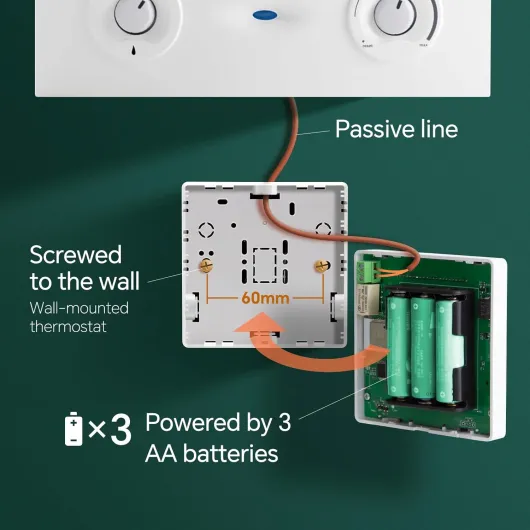
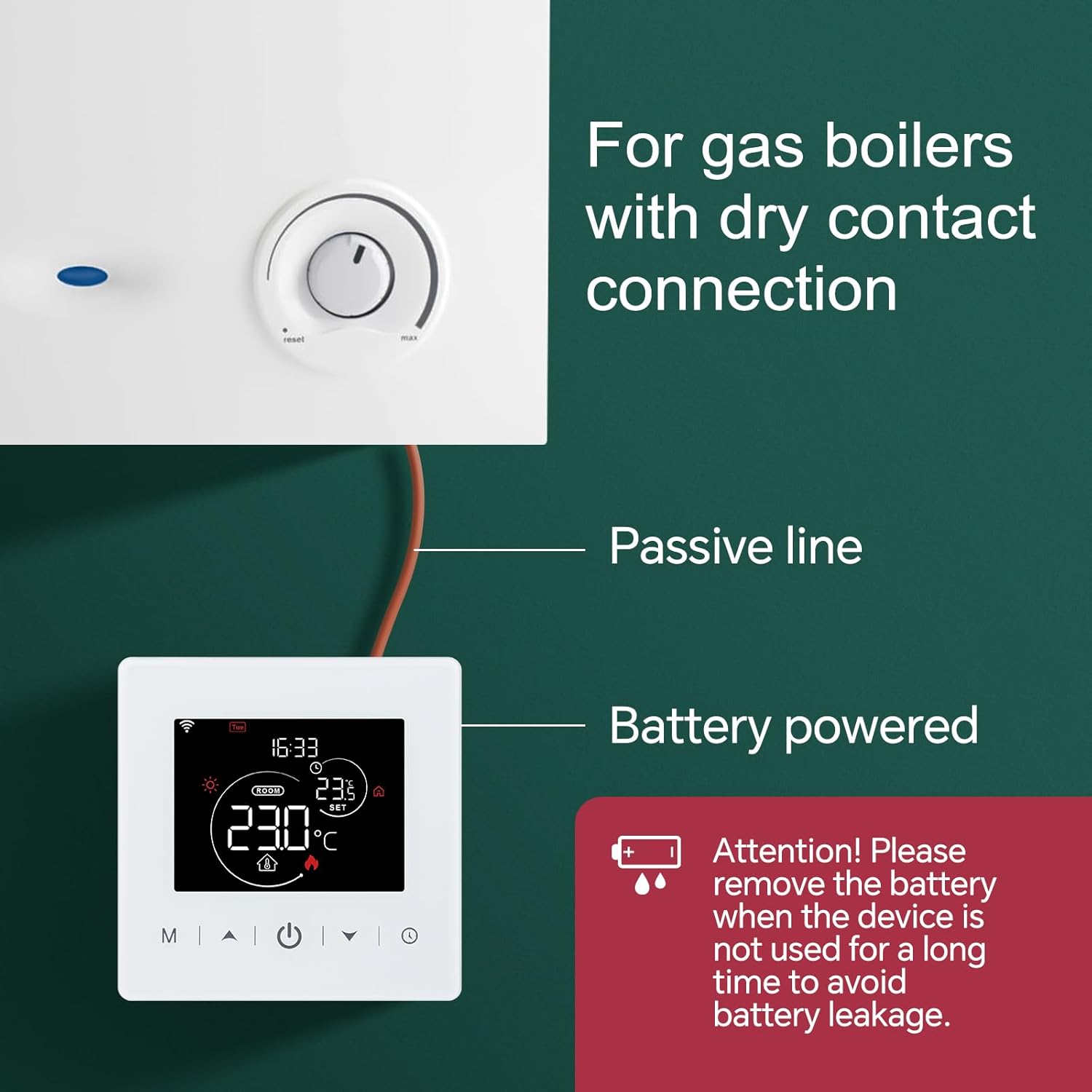
Some smart thermostats use a small internal battery that charges whenever the furnace or heat pump runs, while others rely on replaceable batteries that you change every year or two. When you evaluate these products, pay attention to how long the thermostat can operate without power from the HVAC system, especially during mild weather when the system rarely turns on. A model that manages power efficiently will keep Wi Fi, the display, and smart features active even on a quiet day when the heating or cooling barely runs, reducing the risk of random reboots.
Connectivity also matters, because the best smart thermostats without C wire must balance power use with constant communication to your router and to services like Google Assistant or Amazon Alexa. If you plan to use voice control with a Nest thermostat, an Ecobee Smart Thermostat, or another budget friendly smart option, confirm that the product supports the voice assistants and smart home platforms you already use. For a deeper look at how brands such as Nest and Ecobee handle data and privacy, you can read this analysis of what data Nest, Ecobee, and utilities actually collect from smart thermostats.
Top product options for smart thermostats without wire changes
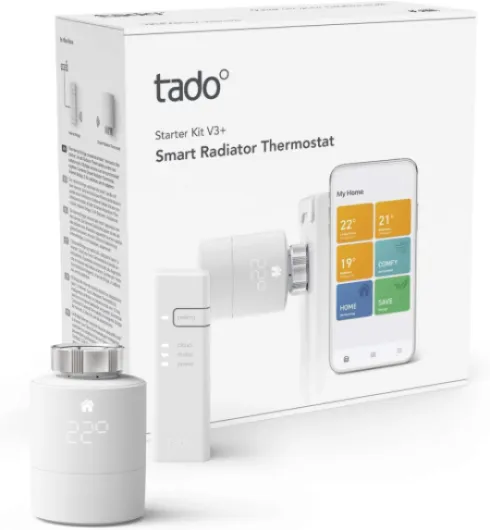
When you compare the best smart thermostats without C wire, you will see several recurring names, including Google Nest, Ecobee, and a few strong budget thermostats. The Google Nest Thermostat, sometimes called the Nest Thermostat (entry level model), is designed to work in many homes without wire required, although some complex HVAC systems may still need a Nest Power Connector. This product offers a clean display, app control, and integration with Google Assistant and Amazon Alexa voice platforms.
For people who want a more advanced learning thermostat, the Nest Learning Thermostat remains a popular choice, and many installations operate successfully without wire upgrades. This Nest Learning Thermostat adapts to your schedule by day and by week, gradually building a program that balances comfort and energy savings while supporting features like Home/Away Assist. It is also ENERGY STAR certified, which signals that the product meets independent efficiency criteria and can help reduce long term energy costs according to U.S. EPA program guidance.
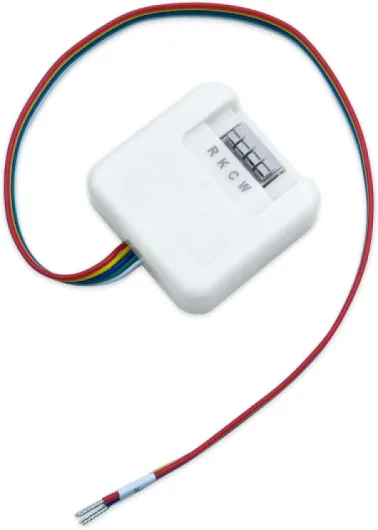
Ecobee Smart Thermostat models, including some Lite versions, often ship with or support an optional power extender kit that lets them work in homes without a C wire. While this means a small installation step at the furnace, it avoids running a new cable through walls and keeps the thermostat fully powered for features like far field voice control, built in Alexa, and a bright display. If you prefer a more traditional day programmable thermostat, several brands offer smart thermostats that combine simple schedules with app control, and you can see one example of a wired starter kit with app and voice control in this detailed test of a smart thermostat starter kit with Alexa, Siri, and Google Assistant.
To make comparisons easier, the table below summarizes several well known smart thermostats that can often be installed without adding a new C wire, along with their typical power approach and price tier.
| Model |
C wire requirement |
Primary power method |
Typical battery role |
Approximate price tier |
| Google Nest Thermostat |
Works in many systems without C wire; some setups need Nest Power Connector |
Power stealing from existing HVAC wires |
Backup coin cell for memory and short outages |
Lower mid range |
| Nest Learning Thermostat |
Often compatible without C wire; C wire recommended for complex equipment |
Power stealing with optional dedicated C wire |
Internal rechargeable battery |
Premium |
| Ecobee Smart Thermostat |
Designed for C wire or included power extender kit |
Continuous power via C wire or extender |
No regular user replaceable batteries |
Premium |
| Ecobee3 Lite |
Uses C wire or power extender kit in most homes |
Continuous low voltage power |
No main batteries; relies on HVAC power |
Mid range |
| Value smart thermostat (typical budget model) |
Often marketed as no C wire required for basic furnaces |
Replaceable AA or AAA batteries |
Primary power source, replaced every 1–2 years |
Budget |
Key buying criteria for the best smart thermostats without C wire
Choosing among the best smart thermostats without C wire starts with compatibility, because not every thermostat will work with every HVAC system. Check whether your home uses a standard gas furnace, an electric system, a heat pump, or a more complex multi stage configuration, then confirm that the product explicitly supports that equipment without wire modifications. Many manufacturers provide online compatibility tools where you enter your existing wire labels and receive a clear answer about whether a power extender kit, Nest Power Connector, or extra power source is required.
Once compatibility is confirmed, focus on features that genuinely improve daily life, rather than chasing every smart buzzword. A clear display that shows temperature, mode, and schedule at a glance can be more valuable than a flashy interface that drains power, especially on a thermostat running without a C wire. Decide whether you prefer a fully learning thermostat that adjusts automatically, a simple day programmable model with fixed time blocks, or a hybrid that lets you override schedules easily from your phone or smart speaker.
Voice and ecosystem integration also influence the long term experience, because a smart thermostat that works seamlessly with your existing speakers and routines will feel more natural. If you already use Google Assistant, a Google Nest thermostat may fit better, while Alexa centric homes might lean toward Ecobee Smart Thermostat models or other Alexa compatible thermostats. For many buyers, the best product is the one that balances price, ENERGY STAR certified efficiency, and reliable control without forcing a new wire required installation or repeated service calls.
Price, incentives, and timing your purchase for maximum value
Price differences between smart thermostats can be significant, especially when you compare basic models with premium learning thermostat designs. Entry level thermostats without wire required often cost less, but they may omit advanced sensors, remote room modules, or built in voice assistants, so you must weigh features against budget. When evaluating the best smart thermostats without C wire, consider not only the purchase price but also potential energy savings and available rebates from local utilities or state programs.
Many utilities offer incentives for installing an ENERGY STAR certified smart thermostat, and these rebates can reduce the effective price dramatically. Some programs also pay ongoing rewards if you enroll your thermostat in demand response events, where the utility briefly adjusts your set point on a hot day to reduce grid strain and avoid expensive peaker plants. To see how these programs vary by region and which states offer the strongest payouts for smart thermostat owners, review this guide to demand response programs by state and earnings for smart thermostat users.
Timing your purchase can also help, because retailers frequently run promotions around Prime Day, Black Friday, and other major sales events. A Prime Day deal on a Nest Thermostat, an Ecobee Smart Thermostat, or another Lite smart thermostat can bring premium features within reach of a tighter budget. If you are patient and track prices over several weeks, you can often secure one of the best smart thermostats without C wire at a price that rivals many basic programmable thermostats or even some traditional non connected models.
Installation, setup, and avoiding common no C wire pitfalls
Installing a smart thermostat without a C wire is manageable for many homeowners, but careful preparation prevents frustration. Before you remove the old thermostat, take a clear photo of the existing wire connections and labels, because this snapshot becomes your reference during installation. Turn off power to the HVAC system at the breaker, then transfer each wire to the new thermostat base according to the manufacturer instructions and any app guided diagrams.
Some products include a power extender kit or similar adapter that you install at the furnace or air handler, which can feel intimidating but usually involves moving only a few wires to a small module. If you are not comfortable opening the HVAC cabinet, consider hiring a professional, because a short visit from a technician costs less than repairing a damaged control board or reversing incorrect wiring. Once the thermostat is physically installed, follow the app guided setup to connect Wi Fi, name the rooms, and configure schedules, learning features, or geofencing.
Common issues with the best smart thermostats without C wire include intermittent power loss, short cycling of the furnace, or Wi Fi drops, all of which often trace back to marginal power. If your thermostat frequently restarts or the display flickers, a dedicated C wire or a properly installed power extender kit may be necessary to provide stable power. When everything is configured correctly, a smart thermostat can control your HVAC system smoothly, maintain comfort by day and night, and still operate reliably without wire upgrades in most typical homes.
Everyday use, comfort gains, and long term energy savings
Once installed, the best smart thermostats without C wire should fade into the background, quietly managing comfort and energy. You will likely interact with the thermostat through the app more often than through the wall unit, adjusting temperatures, checking current status, or reviewing recent energy use reports. Over time, a learning thermostat such as a Nest Learning Thermostat can refine its schedule, preheating or precooling before you arrive home so that comfort aligns with your daily rhythm and occupancy patterns.
Smart thermostats also enable more nuanced control than traditional day programmable models, because they can adjust set points based on occupancy sensors, geofencing, or even local weather forecasts. For example, a Google Nest Thermostat might delay starting the air conditioning on a mild day with cloud cover, while an Ecobee Smart Thermostat could use remote room sensors to eliminate hot or cold spots in bedrooms or home offices. These capabilities translate into real energy savings, especially in climates with large temperature swings between seasons or in homes with inconsistent insulation.
Voice control through Google Assistant, Amazon Alexa devices, or other platforms adds another layer of convenience, letting you change the thermostat without reaching for your phone or walking to the wall. Over the long term, the combination of ENERGY STAR certified performance, intelligent scheduling, and remote control can reduce both energy bills and wear on HVAC equipment, as documented in multiple field studies. When you evaluate smart thermostats as products, remember that the best choice is the one that integrates smoothly into your daily life while still working reliably without wire modifications.
Key statistics about smart thermostats without C wire
- According to the U.S. Environmental Protection Agency’s ENERGY STAR program, households that use an ENERGY STAR certified smart thermostat can save an average of about 8% on heating and cooling costs compared with a manual thermostat, which highlights the long term value of upgrading even when a C wire is not present.
- Market research from firms such as Statista reports that tens of millions of smart thermostats are now installed in North American homes, and a significant share of these installations involve retrofits in older buildings where running a new C wire would have been costly or impractical.
- Utility program data from various demand response pilots indicate that connected thermostats can reduce peak cooling demand by roughly 1 kilowatt per participating home during extreme heat events, which demonstrates how smart thermostats contribute to grid stability while also earning incentives for homeowners.
- Field studies published by organizations like the American Council for an Energy Efficient Economy (ACEEE) find that real world savings from smart thermostats typically range between 5% and 15% of HVAC energy use, depending on climate, building insulation, and how actively occupants use scheduling, temperature setbacks, and remote control features.