Nest and Ecobee: leading choices among the best Wi-Fi smart thermostats
Google Nest and Ecobee smart models dominate many shortlists of the best Wi-Fi smart thermostats. The Nest thermostat range focuses on a learning thermostat approach, where the device observes your schedule and gradually automates temperature changes without constant input. Ecobee smart thermostats, by contrast, emphasise room sensors and detailed energy reports, giving you granular control over both heating and cooling zones.
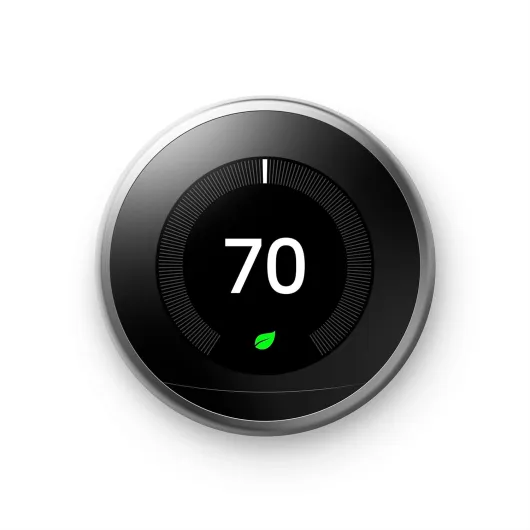
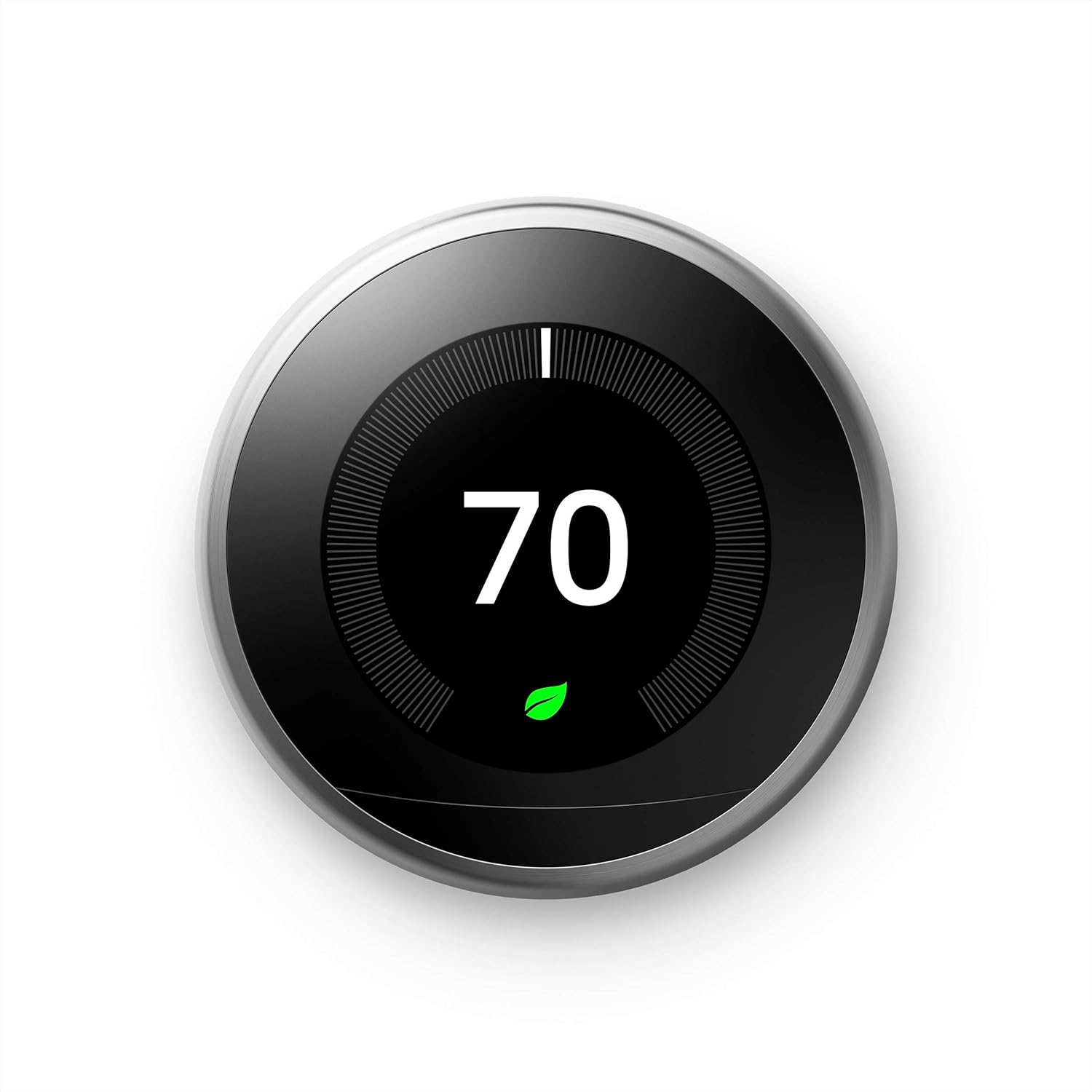
The Nest Learning Thermostat remains a benchmark for people who want a smart thermostat that quietly optimises comfort. It builds a schedule based on when you adjust the temperature, then uses motion detection and your phone location to reduce heating when nobody is home. For many households, this learning thermostat style feels more natural than programming fixed time blocks, especially when routines change frequently.
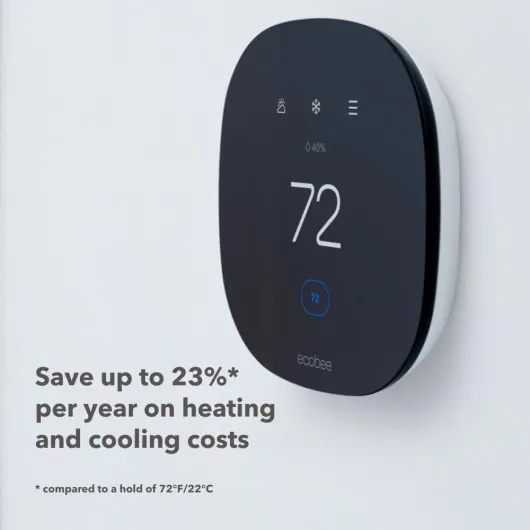
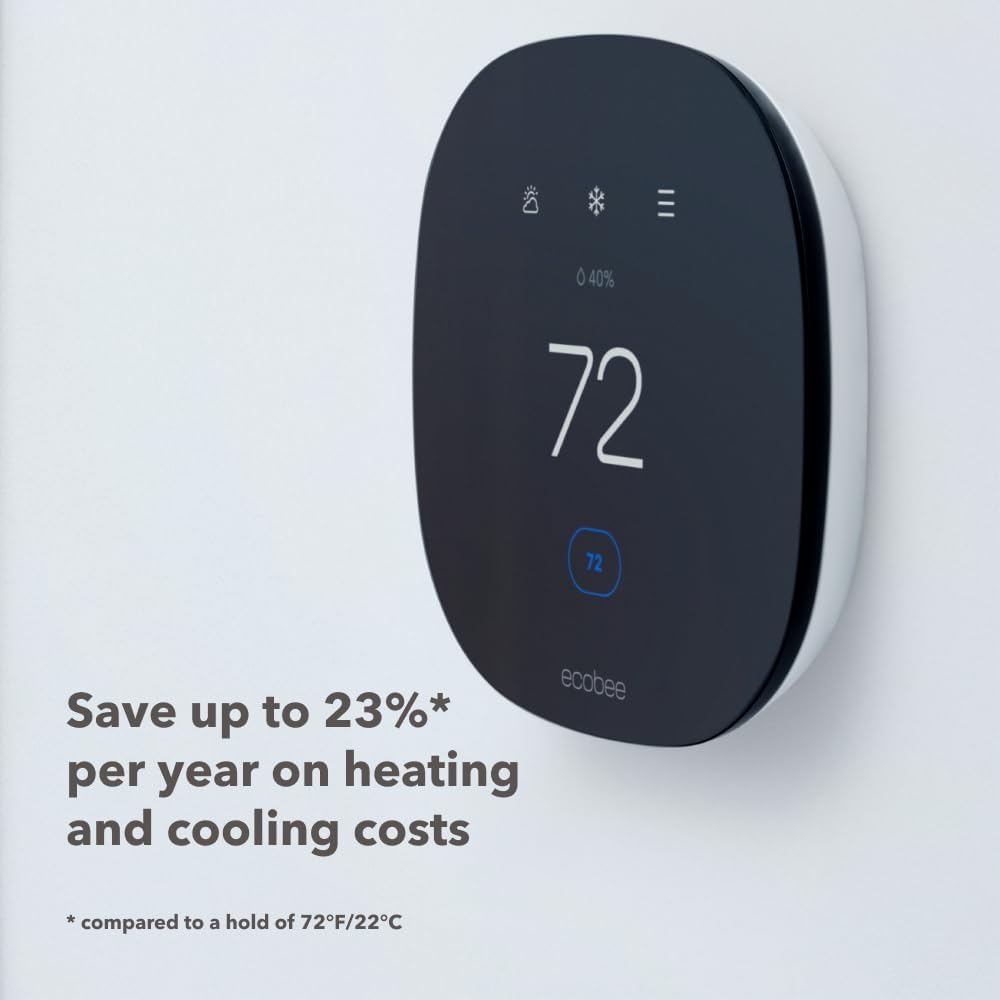
Ecobee Smart Thermostat Premium, often called a thermostat premium option in reviews, targets users who want deeper data and better air quality awareness. Paired with remote sensors, this smart thermostat can balance temperature across several rooms, preventing hot and cold spots that waste energy and strain the HVAC system. The Premium model also integrates a microphone and speaker, so Amazon Alexa and other voice features live directly inside the thermostat rather than relying on a separate smart speaker.
Both Nest and Ecobee support major voice platforms, but the details matter when you compare ecosystems. Google Nest thermostats naturally integrate with Google Assistant and the wider Google Home app, while Ecobee smart models lean heavily into Amazon Alexa and can act as an Amazon smart hub for basic voice control. If you already use Alexa Google combinations across your home, check carefully which brand offers smoother routines, faster responses, and more reliable device grouping.
Anyone still unsure between these best smart contenders should read a structured buying guide before committing. A resource such as the guide on how to choose the best smart thermostat for your home walks through wiring checks, compatibility with complex HVAC systems, and the trade offs between Nest thermostat simplicity and Ecobee depth. Taking this step helps ensure that the best Wi-Fi smart thermostats on paper also become the best fit for your particular air conditioning and heating setup.
| Model |
Supported HVAC types |
C wire needs |
Wi-Fi bands |
Voice / ecosystem support |
Typical price range (USD) |
| Nest Learning Thermostat (3rd gen) |
Low voltage forced air, heat pumps with aux heat, radiant, multi stage |
Often works without C wire but more stable with one |
2.4 GHz and 5 GHz |
Google Assistant, Amazon Alexa, many Google Home integrations |
Approx. $200–$250 |
| Nest Thermostat (2020) |
Most 24 V systems, single and some multi stage heating cooling |
Designed for no C wire in many homes; C wire or Nest Power Connector recommended for tricky systems |
2.4 GHz |
Google Assistant, Amazon Alexa, Google Home app |
Approx. $120–$150 |
| Ecobee Smart Thermostat Premium |
Gas, oil, electric, heat pumps with aux, dual fuel, multi stage |
C wire strongly recommended; includes Power Extender Kit for furnaces without one |
2.4 GHz |
Amazon Alexa built in, Google Assistant, Apple HomeKit, many smart home platforms |
Approx. $230–$280 |
| Ecobee3 Lite |
Most 24 V systems, including heat pumps without humidifier control |
Prefers C wire; Power Extender Kit can substitute at the air handler |
2.4 GHz |
Amazon Alexa, Google Assistant, Apple HomeKit via app |
Approx. $140–$180 |
Installation, wiring, and HVAC system compatibility
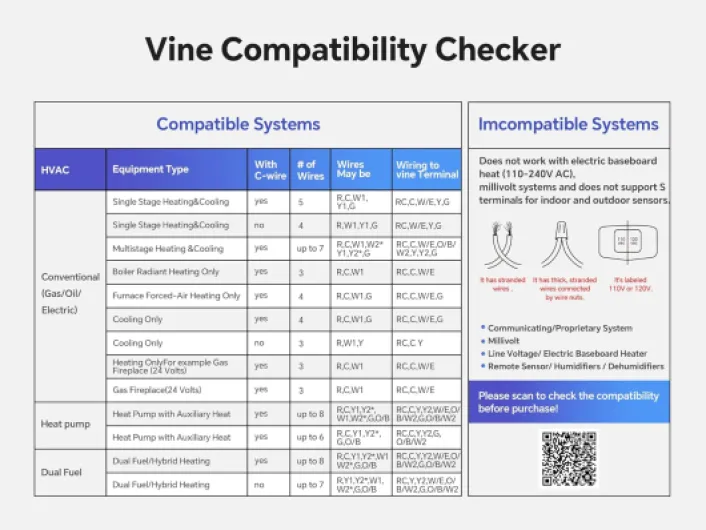
Even the best Wi-Fi smart thermostats fail if they cannot talk correctly to your HVAC system. Before you remove your old thermostat, photograph the wiring, label each wire, and note which terminals connect to heating, cooling, fan, and power. This simple step prevents confusion later and makes it easier to match each wire to the new smart thermostat base plate.
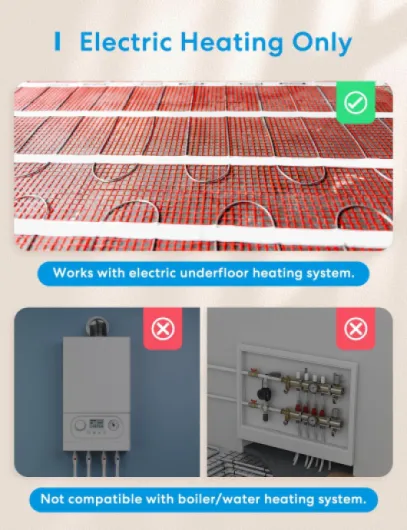
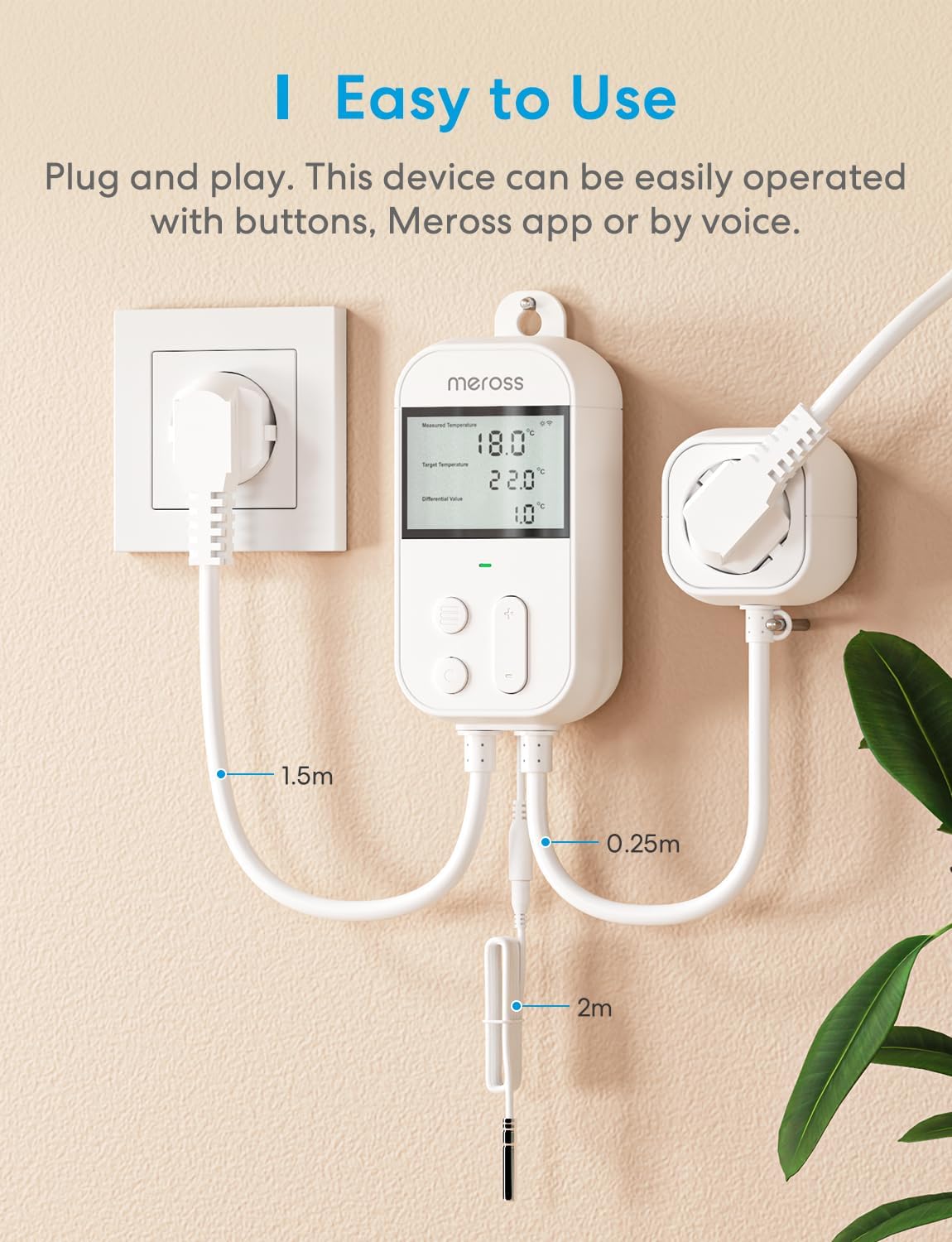
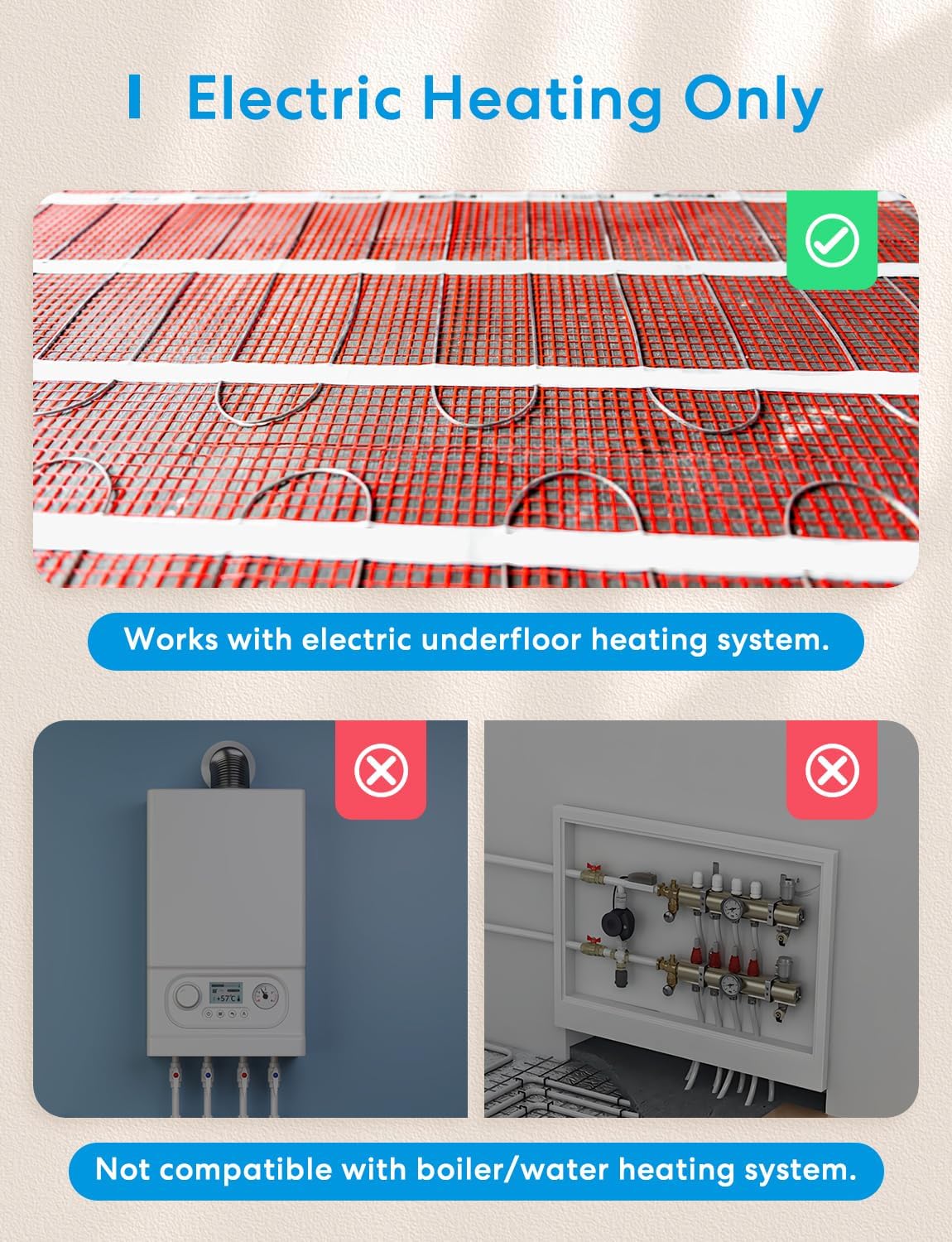
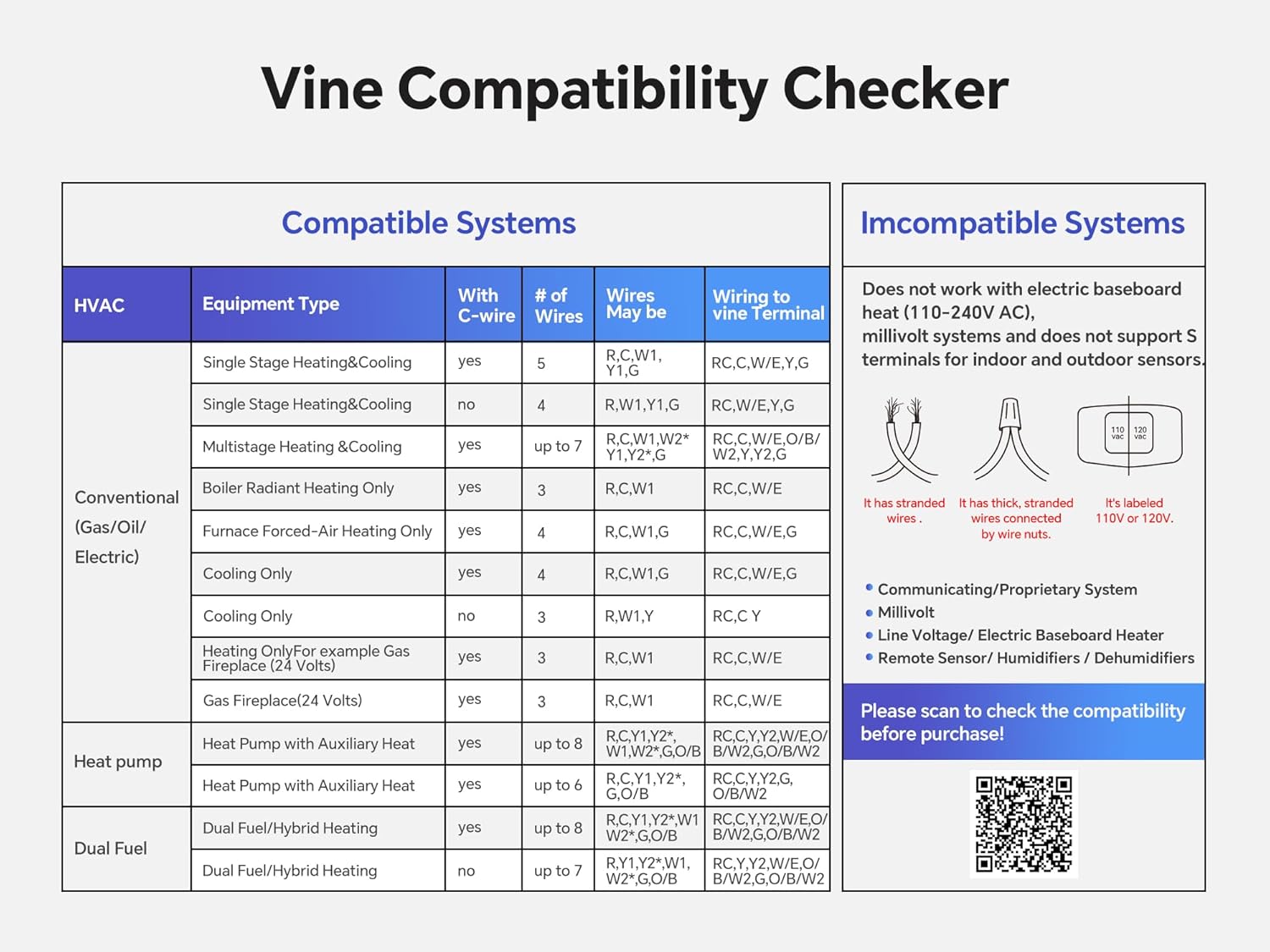
Most Wi-Fi smart thermostats are designed for low voltage HVAC systems that use 24 volt control signals. If you have electric underfloor heating or wall mounted radiators powered directly by mains voltage, you may need a specialist thermostat or a relay module rather than a standard Nest or Ecobee unit. When in doubt, consult an electrician or HVAC professional, because incorrect wiring can damage both the thermostat and the air handling equipment.
Many homes lack a dedicated C wire, which can complicate installation of feature rich smart thermostats. Some brands include a power adapter that connects at the furnace or air handler, effectively creating a virtual common wire without opening walls. Others, including certain Nest thermostat and Ecobee smart models, can sometimes operate without a C wire but may dim the screen or briefly drop Wi-Fi when the system switches between heating and cooling modes.
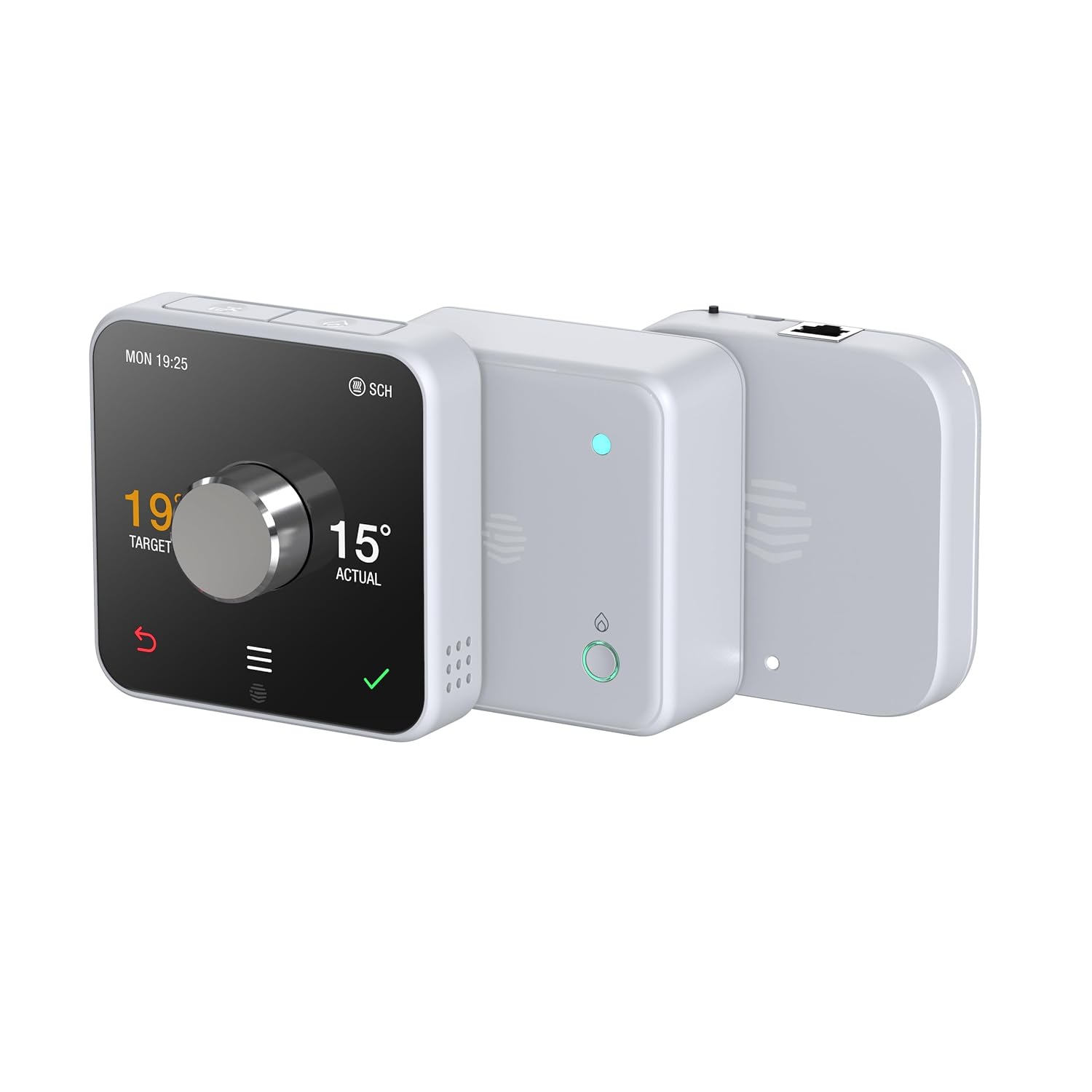
If you are upgrading from a very simple mechanical thermostat, reading about classic models can help you understand the basics. Resources that explain devices such as the Horstmann HRT4-ZW electronic room thermostat, for example the detailed Horstmann thermostat guide, clarify how on off control, hysteresis, and temperature sensing work. With that foundation, the advanced scheduling and remote control features of modern smart thermostats feel less mysterious and easier to configure.
Compatibility also extends to accessories like humidifiers, dehumidifiers, and ventilation systems that share control lines with the main HVAC system. When you choose among the best Wi-Fi smart thermostats, check whether the model supports multi stage heating cooling, heat pumps with auxiliary resistance heating, or separate fan control. A careful match ensures that every part of your HVAC system responds correctly to the thermostat, protecting comfort, equipment life, and energy efficiency.
Voice assistants, apps, and ecosystem control
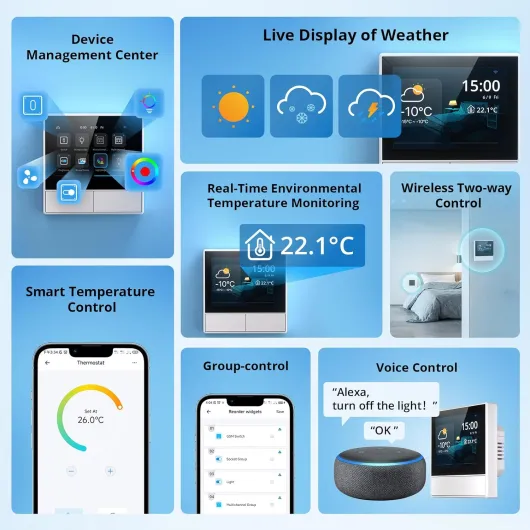
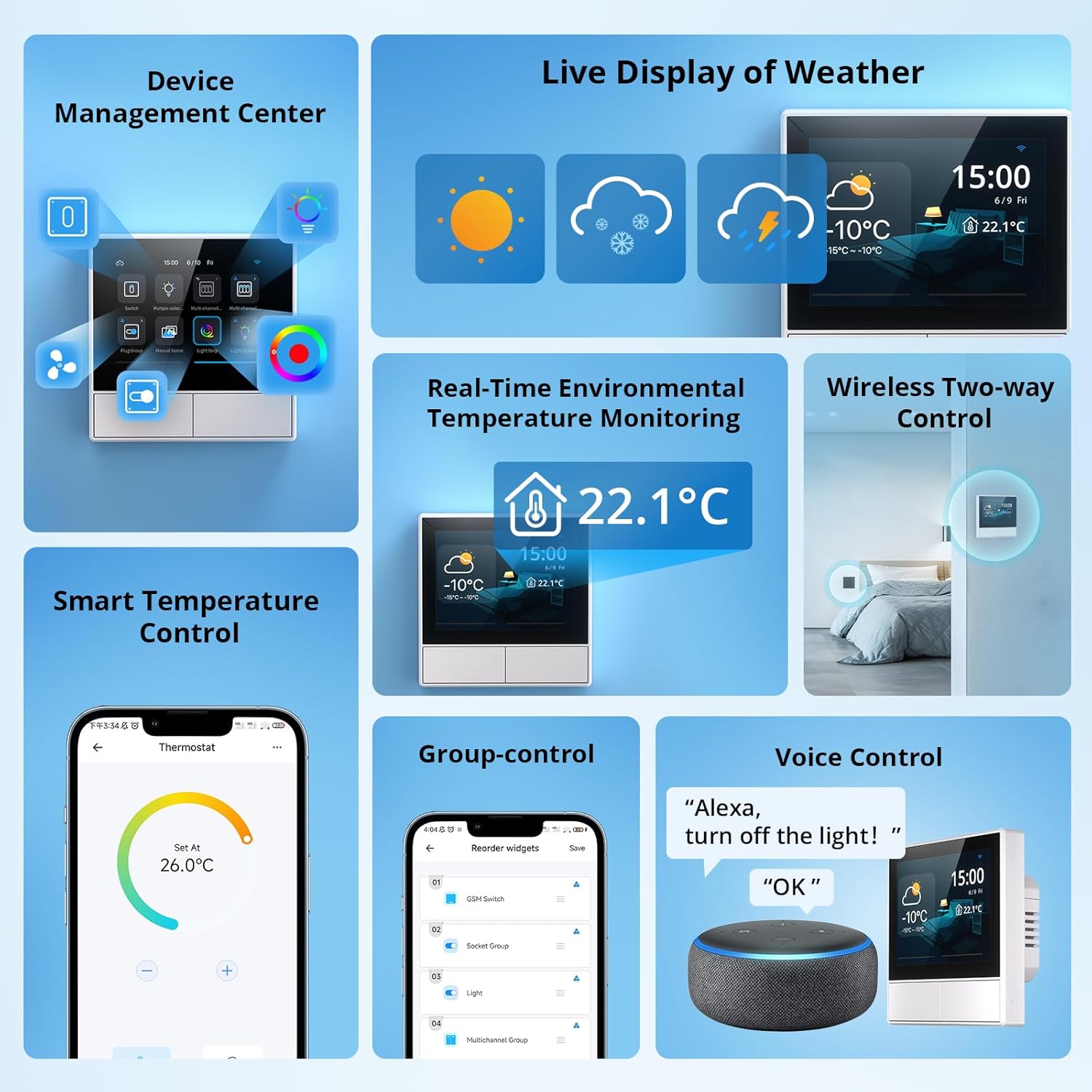
For many buyers, the best Wi-Fi smart thermostats are those that blend seamlessly into an existing smart home ecosystem. A thermostat that responds to Amazon Alexa, Google Assistant, and Apple HomeKit gives you flexibility if your preferences change or if different family members favour different platforms. Voice control can handle simple tasks like changing the temperature, but deeper integration allows automation scenes that link lighting, blinds, and air conditioning.
When you see marketing claims about Amazon Alexa or Alexa Google compatibility, look beyond the logos and examine what each integration actually supports. Some thermostats allow full control of heating cooling modes, fan speed, and away status through voice, while others only permit basic temperature changes. The best smart implementations also support routines, so you can say one phrase and have the system adjust the thermostat, dim lights, and lock doors together.
Google Nest thermostats naturally sit at the centre of the Google Home ecosystem, where the app groups thermostats, cameras, and speakers into rooms. Ecobee smart models, especially the Thermostat Premium, often act as a satellite for Amazon smart devices, with built in microphones and speakers that respond directly to voice commands. If you rely heavily on Apple HomeKit, verify that your chosen smart thermostat supports secure local control, because this can keep basic functions running even when cloud services experience outages.
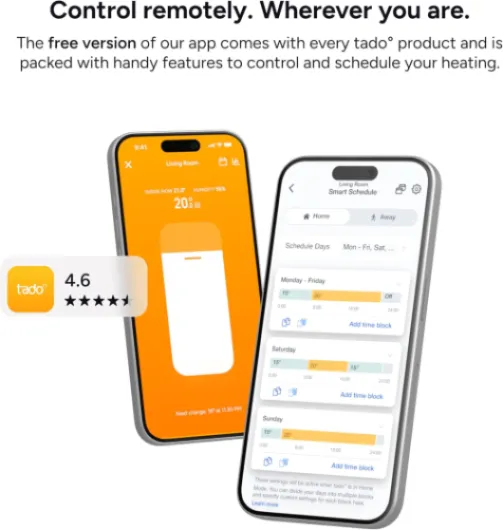
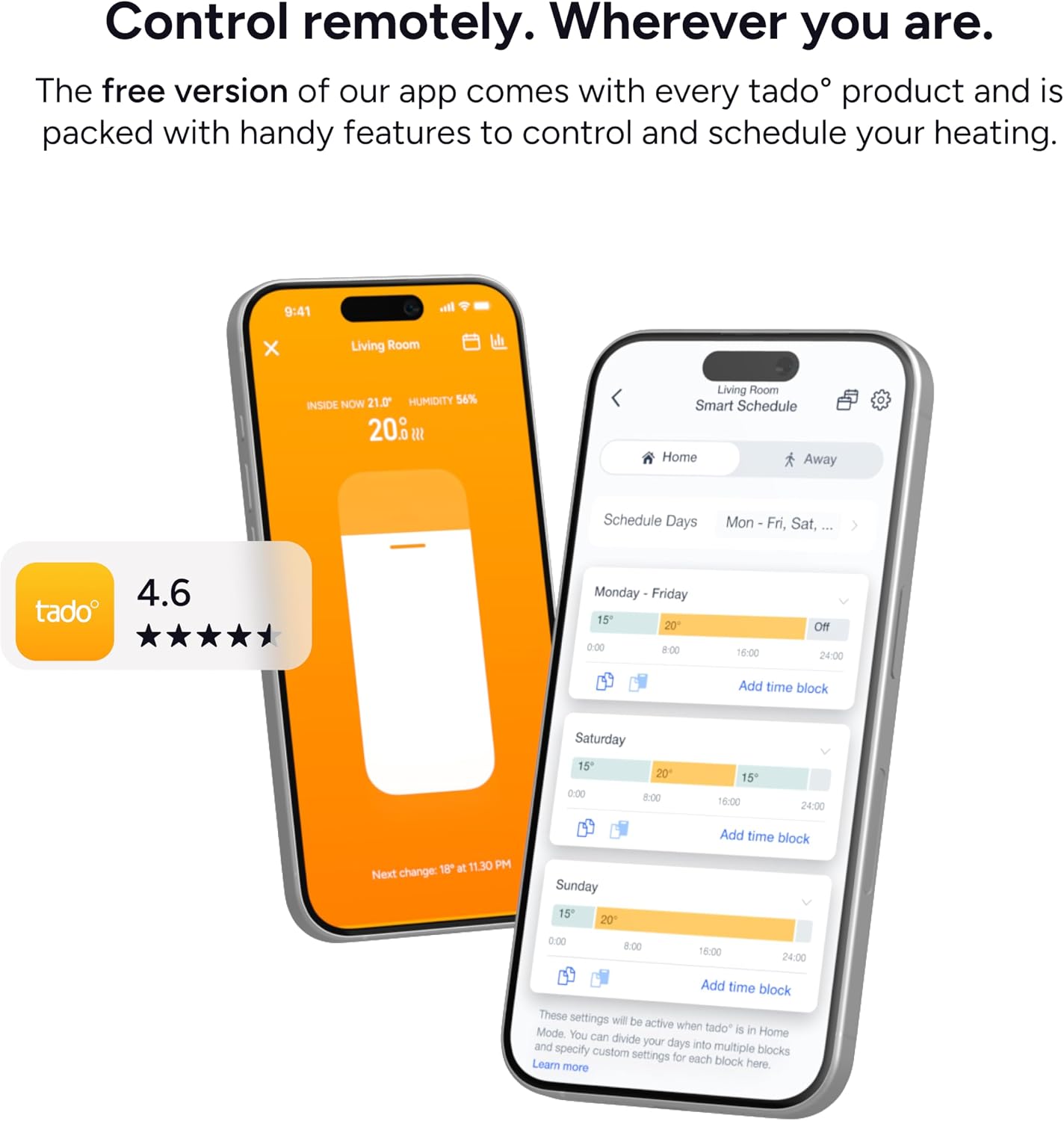
App design matters as much as raw features when living with Wi-Fi smart thermostats every day. A clear timeline view that shows temperature changes, occupancy events, and HVAC system run time helps you understand how your habits influence energy use. The best apps also provide quick access to manual overrides, so you can temporarily adjust the thermostat without breaking carefully tuned schedules.
Looking ahead, cross ecosystem standards such as Matter and Thread aim to reduce fragmentation between platforms. If you want a deeper technical view of which thermostats already support these protocols, a resource like the analysis of which thermostats deliver on cross ecosystem promises can be invaluable. Choosing a thermostat that supports these standards today may extend its useful life as smart home systems evolve.
Energy savings, comfort, and air quality features
The promise of the best Wi-Fi smart thermostats is simple, lower energy bills without sacrificing comfort. Real savings come from combining accurate temperature control, occupancy detection, and weather aware scheduling rather than from any single trick. When your thermostat understands when you are home, how quickly your house heats or cools, and how outdoor air affects indoor conditions, it can run the HVAC system more intelligently.
Many Nest thermostat and Ecobee smart models offer eco modes that automatically relax temperature set points when nobody is home. For example, the thermostat might allow the temperature to drift a few degrees in either direction, reducing both heating and cooling run time while the building is empty. As you return, the system preheats or precools the air so that rooms feel comfortable again by the time you walk through the door.
Some of the best smart thermostats now include sensors for indoor air quality, tracking metrics such as volatile organic compounds or carbon dioxide. While these features do not replace dedicated air quality monitors, they can trigger ventilation or fan cycles that help dilute stale air. In homes with tightly sealed envelopes, this kind of automated air management can make a noticeable difference to comfort and perceived freshness.
Energy reports in the app should be more than colourful graphs if they are to guide real behaviour change. Look for thermostats that compare your energy use to similar homes, highlight days when heating or cooling spiked, and explain which schedule changes might reduce consumption. When you can read full monthly summaries and understand the impact of each adjustment, the thermostat becomes a practical tool rather than a decorative gadget.
Retailers such as Best Buy and Amazon often highlight estimated annual savings in their product descriptions, but treat these as broad averages rather than guarantees. Actual results depend on your climate, insulation, HVAC efficiency, and how aggressively you use setback temperatures. The most reliable path is to start with conservative schedules, monitor energy bills for several months, and then gradually tighten temperature bands as you learn how your home responds.
Where to buy and how to interpret reviews of Wi-Fi smart thermostats
Once you have narrowed your shortlist of the best Wi-Fi smart thermostats, the next step is choosing where to buy. Large retailers such as Amazon and Best Buy offer wide selections of Nest, Ecobee, and other smart thermostats, often with bundle deals that include extra room sensors or smart speakers. Local HVAC contractors sometimes supply and install specific thermostat models, which can simplify warranty claims if anything goes wrong.
When reading any online review, focus on patterns rather than isolated complaints or praise. If many reviewers mention Wi-Fi dropouts, confusing apps, or unreliable temperature readings, treat those as meaningful warning signs. By contrast, a few negative comments about shipping delays or packaging rarely reflect the quality of the thermostat itself.
Pay attention to how reviewers describe their HVAC system, because a thermostat that works perfectly with a simple gas furnace may struggle with a complex multi stage heat pump. Look for mentions of C wire adapters, compatibility with humidifiers, and support for both heating and cooling in climates with wide seasonal swings. Reviews that include specific details about wire labelling, breaker panels, and air handler models tend to be more trustworthy than vague impressions.
Some product pages include technical metrics such as CLS or CLS fill in their web design, but these relate to page loading behaviour rather than thermostat performance. For your purposes, concentrate on specifications like supported voltage, number of stages, Wi-Fi bands, and integration with Amazon Alexa or Google Assistant. If a listing encourages you to read full documentation before purchase, take that advice seriously, because the manual often reveals important limitations.
Finally, consider the strength of the brand and the likelihood of long term software support when choosing among the best smart options. Companies like Google, Amazon, and Ecobee have clear incentives to maintain their ecosystems, but smaller brands sometimes abandon cloud services, leaving thermostats stranded. A slightly higher upfront price for a well supported smart thermostat can be a better investment than a cheaper model that loses app functionality after only a few years.
Key figures on smart thermostat adoption and energy impact
- According to the U.S. Energy Information Administration, space heating and cooling together account for roughly 40 % of residential energy use, which explains why even modest thermostat optimisations can significantly reduce household consumption (see U.S. EIA, Residential Energy Consumption Survey 2015, detailed tables released 2018).
- Studies cited by the U.S. Environmental Protection Agency indicate that programmable and smart thermostats can cut heating and cooling energy use by about 8 % on average when schedules are configured correctly, though actual savings vary by climate and building insulation (for example, U.S. EPA, Energy Star Certified Connected Thermostats: Savings Methodology, version 1.0, 2017).
- Market research from firms such as Statista shows that global shipments of smart thermostats have grown from well under 10 million units annually to several tens of millions within a decade, reflecting rapid adoption as Wi-Fi connectivity and voice assistants become mainstream (Statista, Smart Thermostats – worldwide unit shipments, 2014–2024 time series).
- Independent field tests on Nest Learning Thermostat deployments have reported average heating savings in the range of 10 % to 12 % and cooling savings around 15 %, compared with homes using manual thermostats without optimised schedules (for instance, Nest Labs, Energy Savings from the Nest Learning Thermostat, white paper, February 2015, plus follow up utility pilot summaries).
- In regions with dynamic electricity pricing, utilities report that demand response programmes using smart thermostats can reduce peak load by several percentage points during heatwaves, helping stabilise the grid and lowering the need for expensive peaking power plants (documented in multiple U.S. utility demand response evaluations between 2016 and 2022, including summer peak event reports).